Matching the original slate on a roof that has weathered for nearly a century is one of the toughest sourcing challenges in any slate roof restoration. You are not after just any slate. You need the right thickness, color family, random-width format, and a surface patina that blends with decades of natural aging.
New quarry slate rarely gets it right, and synthetic options fall short on texture, weight, and how they work with historic roof systems. Get it wrong, and the mismatch is obvious enough to undermine the whole job.
Reclaimed Slate Roofing supplies genuine salvaged slate, each piece hand-inspected and sounded before shipping, in hard-to-find colors like Purple, Mottled Green with Purple, Grey, Black, and Buckingham Black.
Every piece comes from verified historic structures. With builder-direct pricing and a 2 to 5 business day turnaround, your project keeps moving.
In this guide, you will find when restoration makes more sense than full replacement, what fails first on old slate roofs, why authentic reclaimed slate outperforms synthetic and new stone, and how to check a batch for a close visual and structural match. It respects your time and gets to the point.
When Restoration Makes More Sense Than Replacement
A slate roof that has done its job for almost a hundred years is rarely as spent as it looks. Before stripping it for asphalt or a synthetic product, weigh what the existing slate still offers against the real cost of a full tear-off. Most slate roofs do not fail because the stone wears out. The materials around the slate give up first.
Restoration-grade reclaimed slate lets you keep what still works and swap only what does not. The 20-inch, 18-inch, and 16-inch random-width formats pulled from historic buildings let you fill in cracked or slipped tiles without gutting the whole roof.
How Long a Natural Slate Roof Can Realistically Last
Natural slate outlasts nearly every other roofing material. The National Park Service documents the slate roof lifespan, noting a properly installed roof can last 60 to 125 years or longer, depending on the slate's source and quality. Hard Vermont slate and Buckingham Black from Virginia have served well past 150 years.
A roof installed in the early 1900s may still have decades left in the stone. Tearing it off because a few tiles slipped or the flashing rusted wastes both material and money. A focused slate roof restoration keeps the value already built into the structure.
Why Supporting Components Fail Before the Slate Does
Slate itself rarely gives out first. The hardware and underlayment usually fail before the stone:
- Nails: Iron and steel nails corrode, letting tiles slide.
- Flashing: Copper, lead, or galvanized metal around chimneys, valleys, and penetrations breaks down faster than slate.
- Underlayment: Felt or building paper beneath the slate wears out, weakening the backup weather barrier.
- Deck boards: Wood sheathing can rot in spots where leaks go unchecked.
Replace these parts and the damaged slates, and you almost always spend less than a full re-roof while keeping the original historic slate in service.
When Full Tear-Off Creates Unnecessary Material Loss
A full tear-off makes sense when more than 20 to 30 percent of the slate is shot, or the deck is in rough shape. Below that, you are discarding good material that still has decades of service left in it. If most of your slate is solid, restoration with matched reclaimed tiles protects both the building's character and your budget.
What Usually Fails on an Aging Slate Roof
On an older slate roof, the damage is usually in the metal, the nails, or the sealants rather than the stone. Identifying which component failed tells you what reclaimed slate you need and how much.
Matching replacement slate to what is already on the roof is what makes a restoration read as original. Review batch photos and material details before ordering so the salvaged slate blends in. Spotting the failure type first makes that sourcing far easier.
Fastener Decay, Nail Sickness, and Tile Slippage
Nail sickness is the top reason slate tiles slip. Old iron or steel nails rust and lose their grip, and slates start sliding out of place, leaving the lower courses open to water. You might find slates halfway down the roof or sitting in the gutter.
To fix it, pull the bad slate, replace the nail with copper or stainless steel, and set a matching replacement tile. If the nail holes in the surrounding slates are still sound, the repair is straightforward.
Flashing Failures Around Chimneys, Valleys, and Penetrations
Copper flashing can last 70 years or more, but galvanized steel and lead-coated copper often fail sooner. When flashing fails at a chimney, valley, or pipe, water reaches the deck even when the surrounding slate looks fine, and the problem spreads out from the flashing line.
You will need to replace the flashing and the slates right next to it. Match the exposure, width, and color so the repair does not stand out.
Why Reclaimed Slate Performs Better in Slate Roof Restoration
The choice among reclaimed slate, new quarry slate, and synthetic comes down to three things: how it looks, how it works with the old roof, and how it holds up. Your existing roof has a color, texture, thickness, and surface that only time creates. A replacement that misses on those will stand out.
Salvaged slate from historic buildings arrives with a proven track record. It has weathered 75 to 100 years and still passed a hand-sounding test for integrity. That history matters when you specify materials for a historic restoration or a high-end roof that has to look original.
Material Compatibility with Existing Historic Roof Systems
Reclaimed slate lines up with the slate you already have: same mineral makeup, similar density, similar expansion behavior.
Mix in a material with a different expansion rate or weight, and you risk cracks or early failure where they meet. Sourcing historic roof preservation materials avoids that, because you are using the same type of stone.
Matching Weathered Patina, Thickness, and Exposure More Accurately
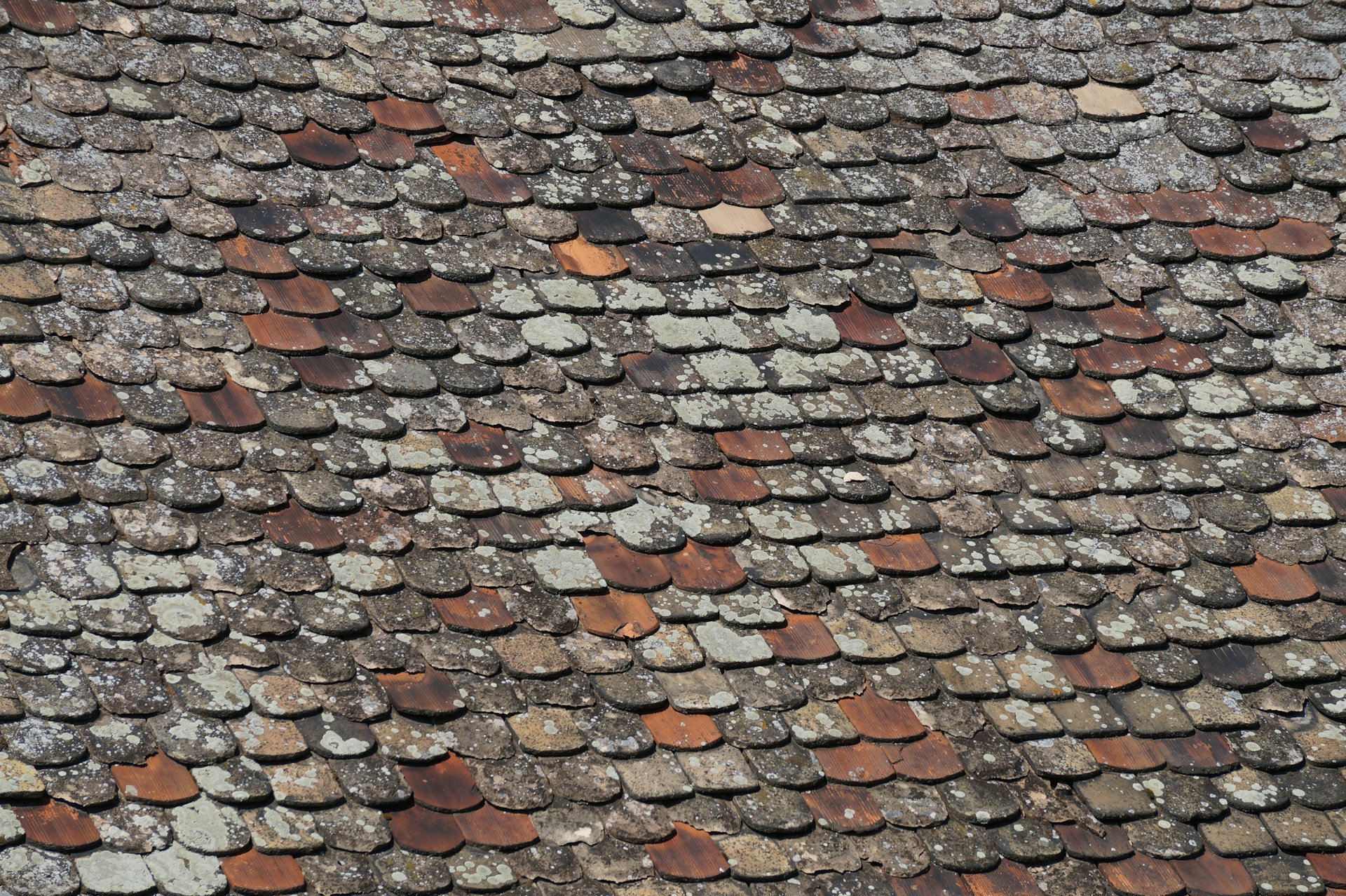
New quarry slate looks fresh-cut and lacks the patina and softened edges of stone that has been up for a century.
Even from the same region, it will not show the same weathering or subtle color shifts. Reclaimed slate already carries that character, so a salvaged Grey or Buckingham Black tile matches far more closely than new.
Thickness matters too. Old slates were often hand-split and slightly irregular. Reclaimed pieces from the same era share those quirks, so they lay flush with the old field.
Why Synthetic and Newly Manufactured Alternatives Often Miss the Mark
Synthetic slate is made from rubber, plastic, or fiber cement. It mimics the shape but cannot match the weight, texture, or sound of real stone, and on a restoration, it usually looks flat and too uniform next to the original.
The National Park Service advises careful evaluation of substitute roofing materials for historic rehabilitation and warns against physically incompatible substitutes that can damage original fabric.
For projects under preservation review, artificial slate may not meet the Secretary of the Interior's Standards. Authentic reclaimed slate sidesteps that risk.
How to Evaluate Slate for a Close Visual and Structural Match
Matching slate on a restoration takes more than picking a color from a catalog. Examine the slate on the roof, identify its type and origin where you can, then find reclaimed stock that matches in size, thickness, color family, and surface finish. Miss any one of those and the patch announces itself.
Size, Thickness, and Random Format Considerations
Historic slate roofs typically used random-width formats in standard lengths, most commonly 20-inch, 18-inch, and 16-inch. Before sourcing, measure a few tiles on the roof for:
- Length (heel to tail)
- Width (or whether it is random-width)
- Thickness (usually 3/16 to 1/4 inch for standard grade)
- Exposure (the portion visible below the overlap)
Even a 1/16 inch difference in thickness can create a lip that catches water or simply looks off from the ground.
Color Families Including Grey, Black, Purple, Mottled Green, and Buckingham Black
Reclaimed slate falls into clear color families by quarry. The main types you will see are:
- Grey: The classic historic roofing slate. Neutral, soft weathering. Found across New England and the Mid-Atlantic.
- Black: Deep, bold color. Pairs well with lighter masonry, often from Pennsylvania.
- Purple: The distinctive reddish-purple from Vermont.
- Mottled Green with Purple: Variegated green and purple, rare and prized for restoration.
- Buckingham Black: Dense Virginia slate known for lasting, sometimes called unfading black.
Our historic slate matching guide helps you pin down the color family before you start comparing batches.
Hand-Inspected, Sounded, and Culled Slate as a Quality Standard
Not every piece of reclaimed slate makes the cut. Each tile gets checked by hand and tapped to catch hidden fractures, a step called sounding, and anything cracked, delaminated, or substandard gets pulled. This sorting weeds out salvage-yard leftovers and leaves material that is ready for the roof.
When sourcing reclaimed slate, ask your supplier exactly how they inspect and cull their stock. If they cannot walk you through the process, keep looking.
Specifying Materials for Historic and High-End Projects
Writing specs for a historic slate roof restoration or a high-end new build calls for precision. Preservation boards, architects, and building owners expect roofing that is genuine, period-correct, and matched to the existing structure. Spec "slate or equivalent" and you open the door to substitutions that may not fit.
Meeting Preservation Expectations Without Using Replicas
The Secretary of the Interior's Standards for Rehabilitation call for retaining and preserving original roofing features, including the actual roofing material. If your project falls under those rules or local historic review, manufactured substitutes can put approval at risk.
Authentic reclaimed slate fits because it is the real thing: same material, same era, same properties as the original roof.
Coordinating Slate with Clay Tile, Copper, and Other Roof Elements
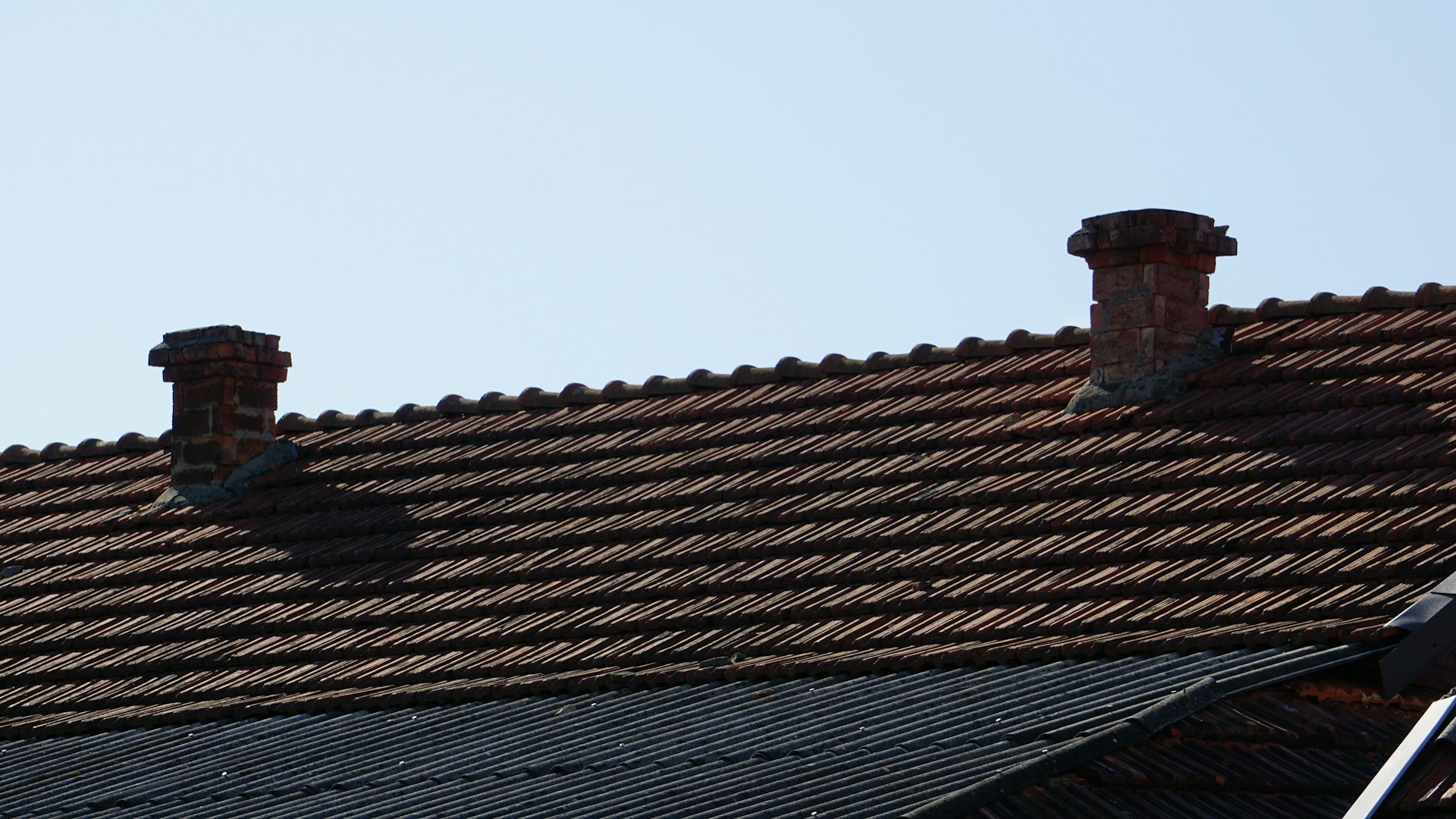
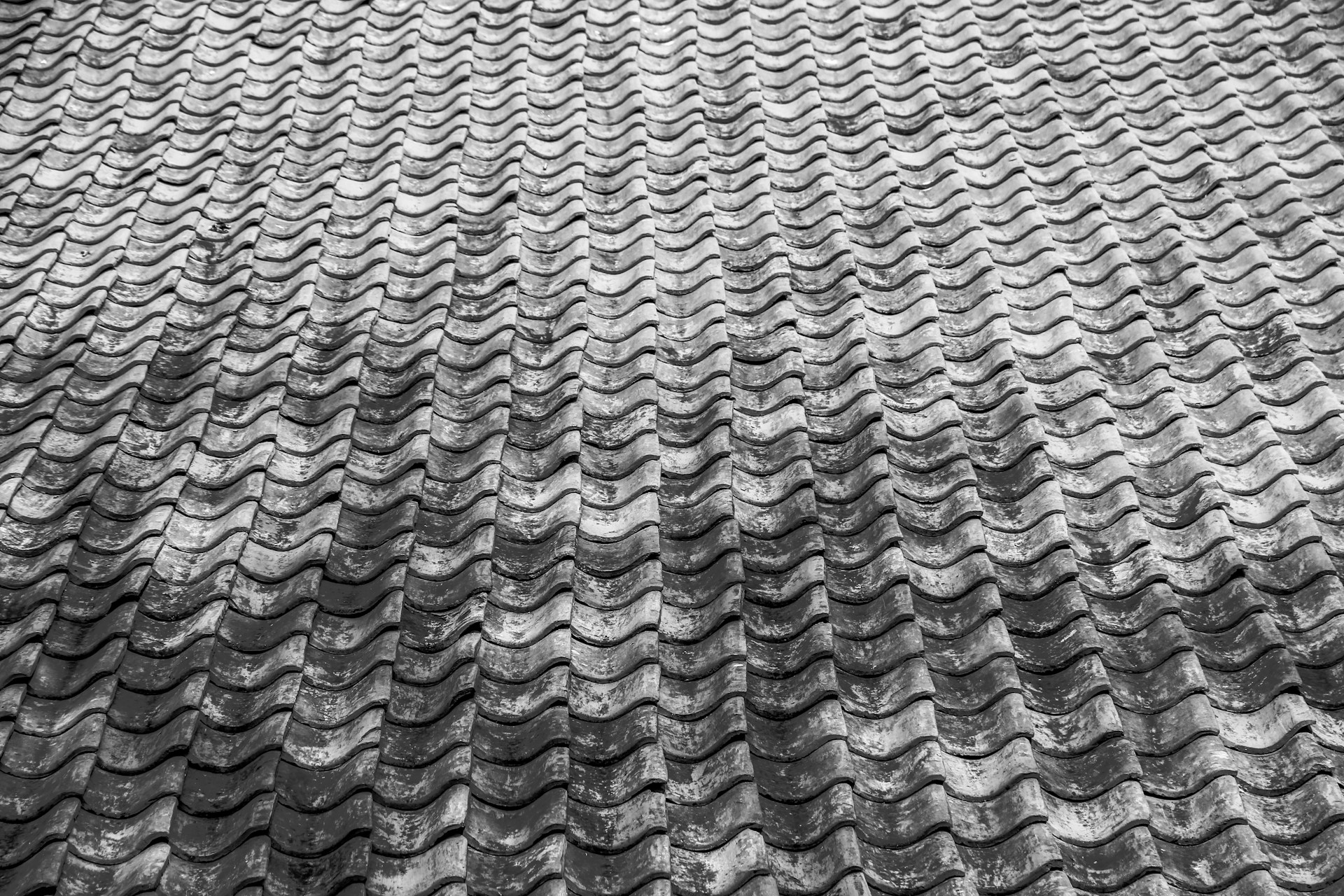
Many older roofs mix slate with clay tile on smaller sections, copper gutters at the eaves, and metal on low slopes. When you specify reclaimed materials, match the clay tile profile and color to what is already there, and confirm your slate works with the tones of the clay and the metal.
Making the Sourcing Decision with Fewer Surprises
You have identified what is failing, chosen a restoration approach, and narrowed the color and format. The last step is confirming that the batch you are about to order actually fits the roof, which is where inventory, freight, and return policy start to matter.
A supplier who shares batch photos, gives clear shipping timelines, and communicates directly saves you a lot of headaches. Call early for rare colors like Mottled Green with Purple or Buckingham Black so you are not caught short.
What to Confirm Before Approving a Reclaimed Slate Batch
Before you sign off on an order, confirm:
- The color family matches your existing roof
- Slate length and width fit your original format
- Thickness lines up with the rest of your tiles
- The surface finish is original and has not been treated
- Quantity covers a reasonable overage for breakage and cuts (usually 10 to 15 percent)
Go through every batch photo. Because reclaimed slate is final sale, checking the details before shipping keeps your project on schedule and on budget.
Freight Timing, Job-Site Delivery, and Final-Sale Expectations
Most orders ship within 2 to 5 business days after you confirm. The materials arrive crated and palletized, ready for your crew to unload. Ask if you need liftgate service or want to schedule delivery, and you will get tracking before the shipment arrives.
Since all sales are final, inspect the crates as soon as they arrive and report any freight damage within 48 hours. If a problem comes up, your supplier can help with the carrier claim.
When to Check Availability and Get Matching Help
If you already know the color, size, and quantity you need, call 225-954-8393 to check stock and get a quote tailored to your job. Still deciding? A quick call can confirm whether your match is available, since inventory turns over often.
Frequently Asked Questions
These are the questions contractors, architects, and owners ask most when sourcing reclaimed slate for restoration. If yours is not here, call for a direct conversation.
What Drives Pricing on a Heritage Slate Roof Restoration: Labor, Access, or Matching Reclaimed Slate?
All three matter, but matching the material is usually the wildcard. Skilled slaters charge more than standard roofers, and tough roof shapes can push access costs up. The slate's price depends on color rarity, size, and how much is available.
How Do You Identify the Slate Type and Thickness on an Existing Roof Before Sourcing Reclaimed Replacements?
Pull a couple of slates from the roof and measure their length, width, and thickness with calipers. Note the color, surface, and any grain direction. Compare those details to known regional types like Vermont grey, Pennsylvania black, or Buckingham Black from Virginia.
When Is a Full Tear-Off Necessary Versus Targeted Repairs with Hand-Inspected Salvaged Slate?
Go for a full tear-off if more than about 20 to 30 percent of the slate field is damaged, if the roof deck has widespread issues, or if past repairs have left a patchwork that cannot be saved. Below that, targeted repairs with reclaimed slate keep the roof's value and look for less.
What Are the Most Common Failure Points on Older Slate Roofs: Nails, Flashing, or Underlayment?
Nail failure tops the list. Steel and iron nails rust over time, letting slates slip. Flashing at chimneys, valleys, and penetrations is the next trouble spot. Underlayment can break down too, leading to leaks once the main water barrier fails. You can usually fix these without replacing the slate itself.
How Do You Match Color, Patina, and Format When Blending Reclaimed Slate into an Existing Field?
Start by identifying the color family and quarry origin of your current slate. Then look for reclaimed pieces from the same or a close quarry type. The natural weathering on reclaimed slate gives you the patina new stone cannot. Check batch photos and make sure the widths and exposure pattern line up with the existing roof.
The Right Material Makes the Restoration
Material choice makes or breaks a slate roof restoration. When you source real reclaimed slate that matches your roof's color, size, thickness, and surface, the finished job looks original rather than patched. Salvaged slate that has been hand-inspected and sounded before shipping delivers the integrity and look that synthetic or new stone cannot.
Ready to start? Call Reclaimed Slate Roofing at 225-954-8393 to check current stock and get a quote built around your project.
Still weighing options? Browse the current salvaged slate inventory to see what is ready to ship. Inventory moves fast, so the sooner you check, the better your odds of finding the right match.