Matching old roof tiles on a historic building is one of the trickiest parts of any restoration. You pull a broken slate or clay tile off a roof that has seen a century of weather, and the job stalls until you track down something that actually fits: profile, thickness, exposure, and color all matter. It is not just about looks.
A tile that sits wrong will not shed water the same way; it wears at a different pace, and it reads as a patch from the street. For contractors and architects, learning how to match old roof tiles often turns into a bigger job than the installation itself.
Reclaimed Slate Roofing supplies salvaged slate and clay tile straight from historic structures, each piece hand-inspected before shipping.
The stock includes hard-to-find types like Purple, Mottled Green with Purple, Grey, Buckingham Black, and Semi Weathering Green, in 16-inch, 18-inch, and 20-inch random-widths. That is the kind of inventory you hope for when standard suppliers come up empty.
In this guide, you will find how to document and identify the tiles on your roof, why a visual match alone usually falls short, how to source period-correct reclaimed material, and how to approve a batch before your crew is left waiting. It gives professionals what they need and skips the padding.
Start With the Tile You Have, Not the Replacement
Before you look for a replacement, build a complete picture of what is already on the roof. Too many sourcing calls open with "I need grey slate." The real question is whether that grey is a soft silver Vermont or a blue-grey Pennsylvania with a specific cut and thickness.
Skip this step, and you end up with mismatched orders, wasted shipping, and avoidable delays.
Matching reclaimed material depends on details a color name will never cover, so document size, surface, and origin clues before you call anyone. The more detail you gather up front, the faster you pin down a match.
Document Size, Exposure, and Thickness
Measure the full length and width of a whole tile, not just what shows on the roof. Write down the exposure (the part visible once installed) and the thickness at a few points. Hand-cut old tiles often vary by an eighth of an inch or more. These measurements decide whether a replacement will sit flush with the others.
Use a caliper or digital gauge for thickness. Take at least three readings: at the tail, the center, and the head. Even a slightly thicker or thinner tile can make the roof look uneven, especially in raking sun.
Identify Material, Surface Texture, and Patina
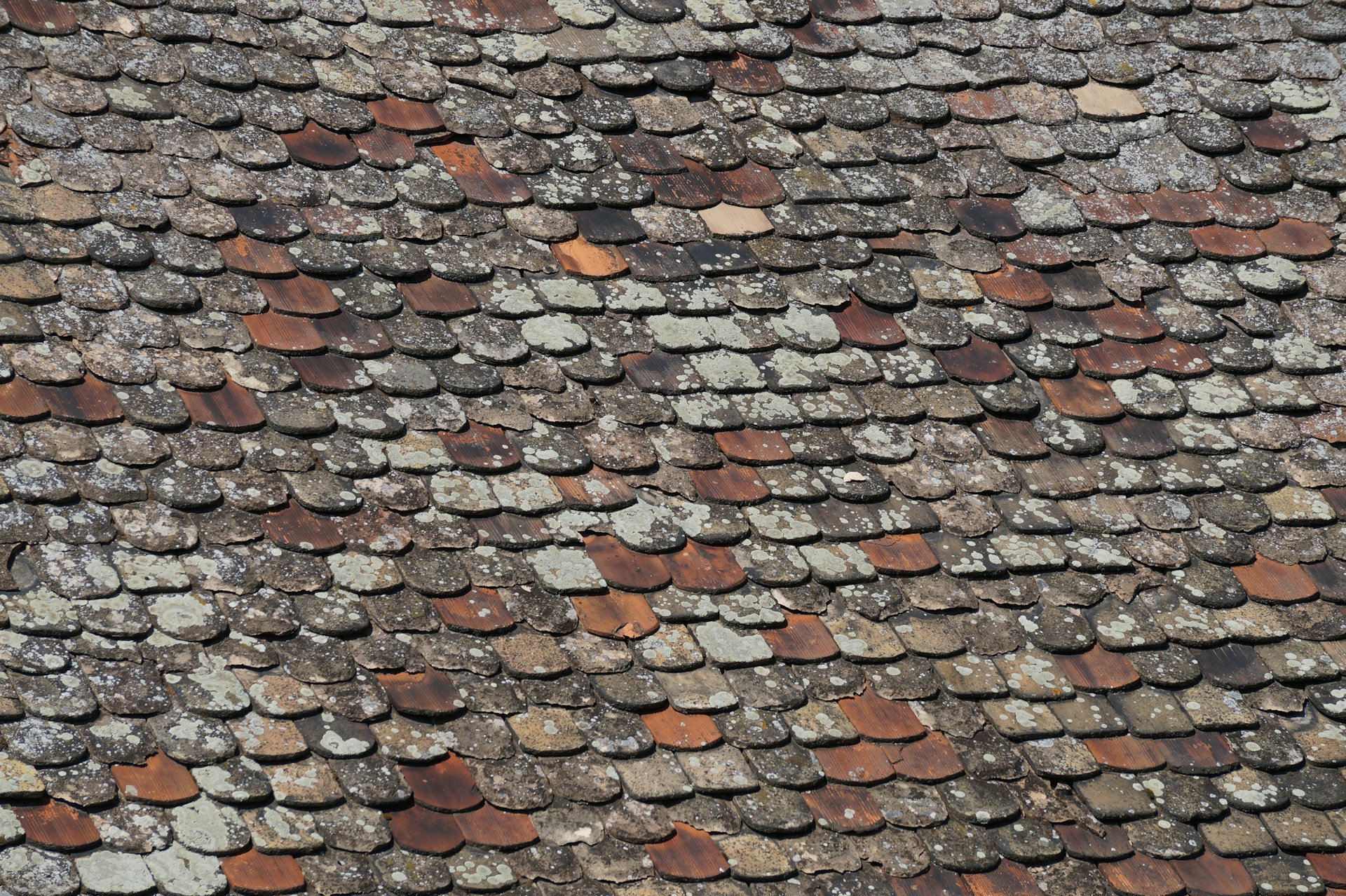
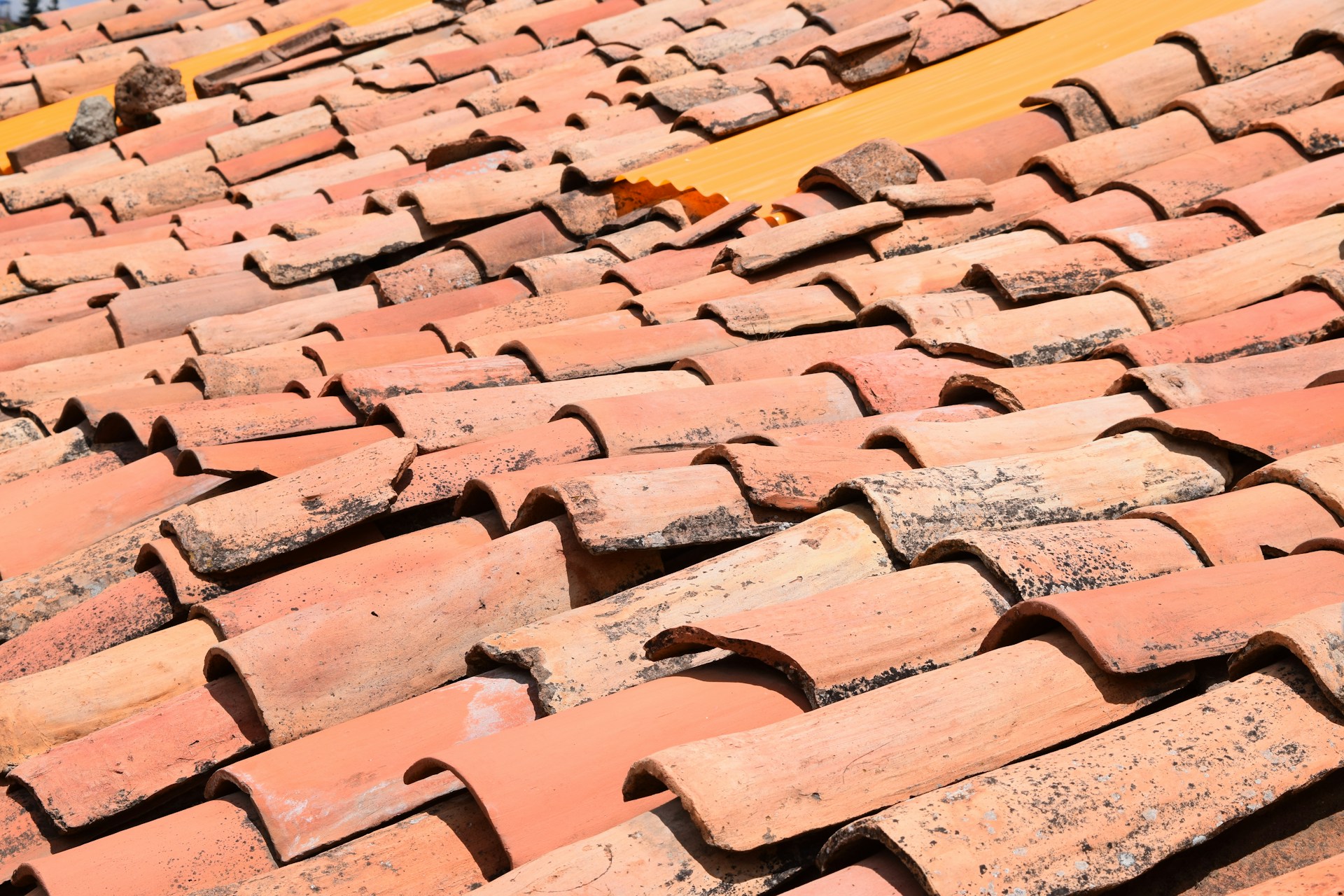
Figure out whether you are working with slate, clay, or terracotta. Each weathers its own way. Slate develops a patina based on its minerals. Clay tiles might show moss, glaze wear, or color changes from years in the sun.
Run your hand over the tile. Is it smooth, riven, or textured from a mold? National Park Service guidance on historic clay tile roofs notes that the character of a clay tile roof comes from the mix of shapes, profiles, and textures in the original build. Matching the surface matters as much as matching color.
Check the Underside for Stamps, Nail Holes, and Origin Clues
Flip the tile over. Many old tiles carry maker stamps, quarry marks, or patent numbers pressed into the back. These details can narrow the search to a specific maker, quarry, or era, which makes finding a reclaimed match far easier.
Check the nail hole pattern, size, and placement. Some tiles use two holes, some one, and the spacing changes with where and when they were made.
If your roof calls for a certain nail setup, look for replacements with holes in the same spot, or stock you can re-drill safely. A guide to matching slate tiles helps you line up these details before ordering.
Why Close Visual Matches Still Fail on Historic Roofs
A tile that looks right in a photo can still fail on the roof. The color is close, the size seems right, then it arrives and sits a quarter inch proud of the field, or the interlock is off just enough that water finds a new path. Visual matches fall short because roofing is a system, not a surface.
Rare, discontinued formats salvaged from the same kinds of historic buildings tend to line up on physical profile, not just appearance, with what is already on your roof. That is the difference between a repair that blends and a patch that announces itself.
Interlock, Headlap, and Water Shedding Differences
Interlocking tiles rely on ridges and grooves at the edges to keep water out, a detail that only became practical with late 19th-century manufacturing. A replacement with a slightly different interlock will not seat cleanly, and water works its way in.
Headlap, the vertical overlap between courses, varies by tile and installation. A tile even half an inch short in headlap leaves more underlayment exposed, cutting the roof's lifespan in that spot.
How Mismatched Pieces Affect Appearance and Property Value
A roof with even a small patch of mismatched tiles looks like a repair from the street. On a historic property, that inconsistency can knock down curb appeal and, honestly, property value. Buyers and appraisers notice when old roof tiles get replaced with pieces that do not belong.
For properties listed on or eligible for the National Register of Historic Places, material accuracy matters even more. A sloppy match can turn future preservation reviews and tax-credit applications into a headache.
Why Manufactured Lookalikes Often Miss the Period-Correct Fit
New tiles made to mimic historic styles are produced with modern tools and clay. The size might be close, but the edge detail, surface, and weight often do not match the originals. Synthetic slate has the same problem: it copies the look but not the way natural stone behaves.
If you want a tile that behaves like the originals, reclaimed tile repairs usually do better, because the material was made in the same era, by the same methods, as what is on your roof.
How to Source a Period-Correct Replacement
When you need reclaimed roof tiles for a period-correct repair, work with suppliers who carry salvaged inventory, not just new production runs. Most general roofing distributors do not stock the profiles, cuts, and color families a historic job needs.
You need someone who knows that "grey slate" spans a whole spectrum of tones, quarries, and weathering.
The strongest suppliers keep authentic heritage material at builder-direct pricing and ship most orders within 2 to 5 business days after confirmation. Their inventory shifts with what comes off salvage sites, so availability for a given color or cut can change week to week.
When Reclaimed Inventory Is the Best Path
Reclaimed roof tiles are your best option when the original roof used material from a quarry or manufacturer that is long gone.
If the tiles are 80 or 100 years old, no modern production line matches the mineral makeup, firing temperature, or hand-finishing that gave them their look. Salvaged tiles from the same period carry the same patina and wear that new material cannot copy.
What Suppliers Need to Evaluate a Match From Photos
Take clear photos of the tile face, edge, and underside. Put a ruler or tape measure in the shot for scale. Note any stamps or marks, and describe the color in natural daylight. A good supplier can often match to a specific batch from these details alone.
Using Salvage Networks and Reclamation Yards Effectively
Reclamation yards can be a goldmine, but inventory is hit or miss. Call ahead before you make the trip. Be specific: material type, size, color family, and quantity. Many yards do not inspect tiles for roofing use, so confirm anything you buy has been checked for structural soundness. A guide to sourcing reclaimed clay covers what that inspection should include.
What a Real Match Search Looks Like in Slate and Clay
Matching weathered slate or reclaimed clay to a historic roof is not just theory. You start with a color family and cut, then sift inventory for the closest functional and visual match, weighing mineral composition, quarry origin, decades of weathering, and the random-width sizing common on old roofs.
Classic American slate roofs built between the 1880s and 1940s used a handful of recurring types, so knowing yours narrows the search fast.
Matching Weathered Slate by Color Family and Cut
Slate does not fade evenly. Grey slate from one quarry might turn silver, while another holds a blue-grey tone for decades. When matching, start with the color family, then narrow by cut and thickness. Random-width formats blend more easily into old roofs, since most historic jobs used variable widths.
Some types, like Semi Weathering Green, change color over time but settle into a predictable range. Permanent-color slates like Buckingham Black keep their original tone. Knowing what is on your roof helps you pick stock that will blend in for years, not just on day one.
Examples of Authentic Slate Variations Used in Restoration
- Purple slate: Common on Victorian-era roofs in the Northeast; so distinct that substitutes stand out immediately.
- Mottled Green with Purple: Multi-tone slate with complex weathering; nearly impossible to copy with new material.
- Grey slate: The most common historic color; needs careful quarry matching to avoid color drift.
- Buckingham Black: Dense, permanent-color Virginia slate with a long service life; often specified on landmark buildings.
Finding Reclaimed Clay Roof Tiles for Small Repairs and Larger Patches
Reclaimed clay tiles bring their own matching headaches. Clay formulas vary by maker, and glaze colors shift during firing, so even tiles from the same kiln load can look a bit different.
For small repairs, focus on matching the profile (barrel, flat, or interlocking) and the general color tone rather than hunting for an exact twin. For bigger patches, pull enough from one salvage batch to keep the look consistent.
How to Approve Material Before You Order
Reclaimed roofing material sells as final sale for a reason: every batch is unique, and returns are not practical with salvaged stock. That makes your approval process the most important quality-control step in the project. Rush it, and you risk material that does not match what is on the roof.
Before you order, ask for batch photos and material details so you can compare color, texture, and size against your existing tiles. Most orders ship within 2 to 5 business days after you confirm.
Review Batch Photos and Compare Them in Natural Light
Ask your supplier for batch photos. View them on a calibrated screen, or better, print them and compare side by side with your sample tile in natural daylight. Interior lighting or phone screens shift color and lead to approvals that do not hold up on site. Focus on edge detail and surface texture, not just color.
Confirm Quantity, Breakage Allowance, and Variable Inventory
Order about 10 to 15 percent more than you measure. Some reclaimed tiles, even after inspection, will not survive transit or fit a particular course. Because inventory turns over constantly, the batch you approve might be the only one in that color for months.
Plan Freight, Crating, and Jobsite Delivery Timing
Time your delivery with the installation schedule so material arrives when your crew is ready, not weeks early where it can get damaged, or too late after the crew has moved on. Decide whether you need liftgate service, and give clear delivery instructions: site access, where to unload, and a contact number for the driver.
Make the Repair Disappear, Not Just Function
Matching old roof tiles on a historic structure is about more than a watertight patch. You want a repair that blends so well no one can tell where the old ends and the new begins. That takes the right material, good coordination, and a realistic timeline.
Reclaimed slate and clay shipped crated and palletized, with nationwide freight and tracking before it leaves, keeps your schedule intact when everything has to arrive on time.
Coordinate Early With Your Roofer or Project Team
Share your tile identification notes, photos, and measurements with your roofer before you start sourcing.
If they know what you need, they can flag fit issues before anything ships. On projects using reclaimed materials for historic preservation, early coordination between whoever sources the tile and the crew installing it heads off mismatches that cost time and money.
Use Reclaimed Material to Preserve Historic Character
Authentic reclaimed material brings the same patina, mineral structure, and surface wear as your original tiles, so repairs blend in from day one and skip the years-long weathering that new material needs.
For properties under preservation review, reclaimed material aligns with the Secretary of the Interior's rehabilitation standards: replacement features should match the original in design, color, texture, and, where possible, material. Choosing reclaimed material also keeps sound historic stone out of the landfill.
When to Call Directly for Availability and Fast Turnaround
Inventory changes fast. The Buckingham Black you need might be available today and gone next week. If you know the color family, size range, and rough quantity, call 225-954-8393 to check availability and lock in material before it moves.
Frequently Asked Questions
Contractors and architects working with reclaimed slate or clay run into the same questions mid-project: how to identify the original tile, what to photograph, and what to do when an exact match is not available. The answers below come from real inventory, not just theory.
How Can I Identify the Make, Profile, and Batch of the Tiles Already on My Roof?
Look at the underside for maker stamps, patent numbers, or quarry marks. Measure the full dimensions, thickness, and nail hole pattern. Cross-reference any markings with historic manufacturer records, or ask a reclaimed materials supplier who can often identify the origin from your photos.
What Details Should I Photograph and Measure so a Supplier Can Source an Authentic Reclaimed Match?
Take photos of the tile face, edge profile, and underside in natural daylight with a ruler for scale. Measure length, width, thickness, exposure, and nail hole spacing. Those data points give a supplier what they need to search for a functional and visual match.
Which Visual Cues Matter Most When Blending Reclaimed Tiles Into an Aged Roof: Color, Patina, Thickness, or Edge Detail?
All four matter, but color family and thickness stand out first. A tile that is too thick or thin will sit unevenly, and a wrong color will jump out from the ground. Patina and edge detail become more important up close and on projects under preservation review.
How Do You Verify Reclaimed Tiles Are Structurally Sound and Compatible With the Existing Roof Pitch and Fixing Method?
Tap each tile by hand; a clear ring means it is sound, while a dull thud suggests internal cracks. Check that the nail hole pattern and dimensions match your existing installation. Good suppliers do this sounding and culling before they ship.
What Are the Best Options When an Exact Match Isn't Available, but the Roof Still Needs to Read as One Consistent Plane?
Find the closest color family in the right size and thickness. Use the best matches in the most visible repair areas, and put less precise matches in less visible spots. On bigger patches, you can pull some original tiles from a hidden slope and use the near-match there, so the main roof face looks consistent.
The Right Match Starts With the Right Material
Matching old roof tiles on a historic roof comes down to accurate identification, honest sourcing, and a supplier whose inventory reflects the real range of historic roofing still out there. Manufactured substitutes and color-matched synthetics can fill a hole, but they do not deliver the fit, patina, or performance of authentic reclaimed slate and clay.
If you know the color, size, and quantity you need, call Reclaimed Slate Roofing at 225-954-8393 to check stock and get a quote for your project. Still working it out? Browse the current reclaimed inventory to see what is ready to ship. Inventory moves quickly, so checking sooner improves your odds of the right match.