On a 1920s Creole cottage in the Garden District, a cracked tile comes down that no local yard stocks. The homeowner wants period accuracy; the insurance adjuster wants a number by Friday. What decides both is whether the original field was a French interlocking pan or a Spanish barrel, because reclaimed French clay roof tiles and Spanish profiles are not interchangeable on a matching job.
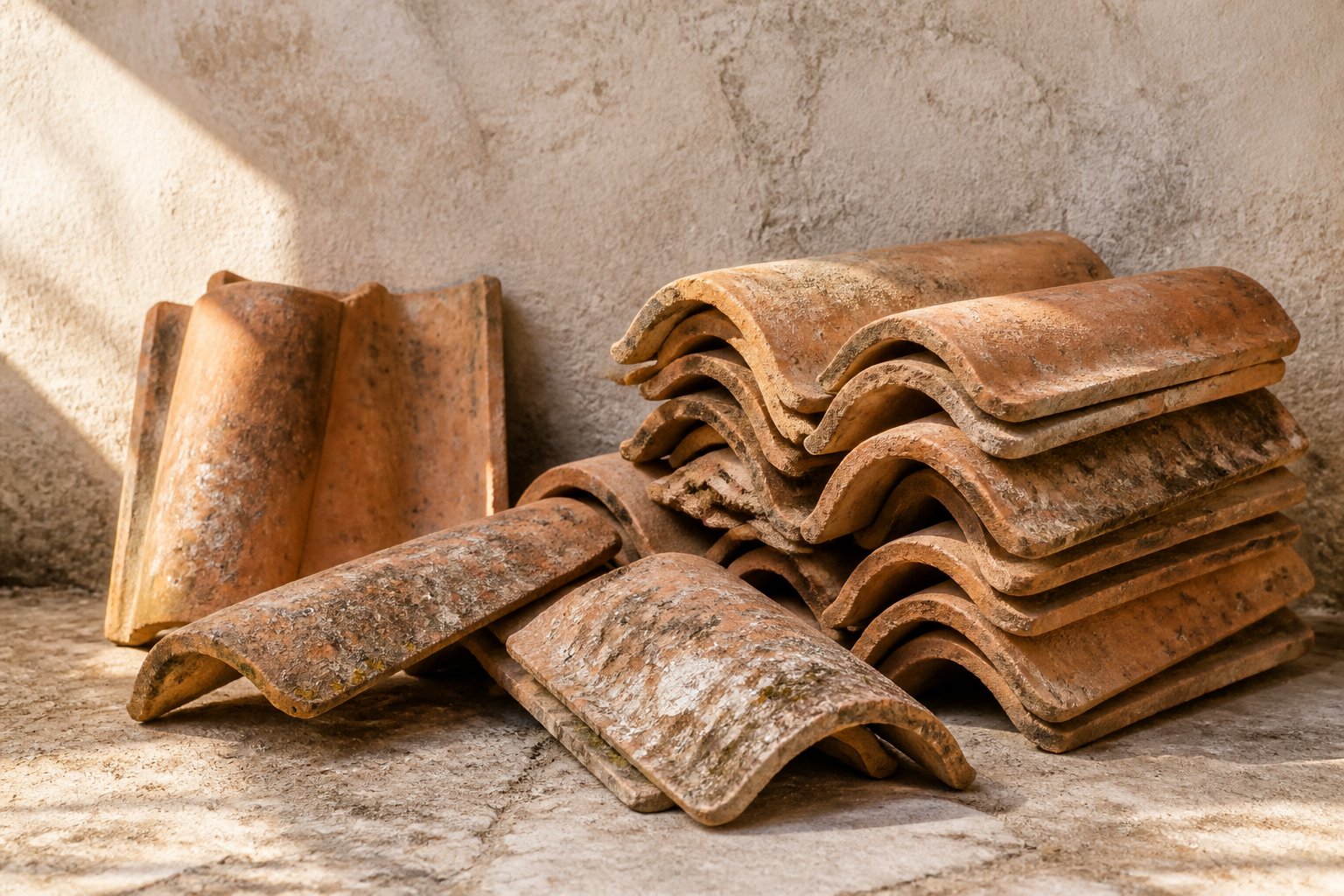
That decision gets easier when you can see actual salvage batches instead of catalog renderings. As a direct-source supplier of genuinely reclaimed clay and slate, Reclaimed Slate Roofing keeps rare inventory like Barrel Clay Roof Tiles pulled from real historic structures, hand-sounded and culled before anything ships. Nothing in the yard is a reproduction.
The comparison ahead lays out how the two profile families differ in shape, coverage, weight, and regional design fit, plus how to verify a salvaged batch before you commit. It is aimed at the contractor pricing a matching job this week and the architect writing next quarter's spec.
Reclaimed French Clay Roof Tiles vs Spanish Profiles
Profile is the first fork in the road. One family lies nearly flat and locks together; the other rolls in curves and overlaps loosely. Get it wrong, and your fastening pattern, batten layout, and flashing details all change.
Both traditions arrived early in America. The National Park Service notes that clay roof tile history in the South and West traces directly to Spanish and French building practice. This is why both profiles turn up on Gulf Coast and Southwest buildings.
French Flat, French, and Interlocking Profiles
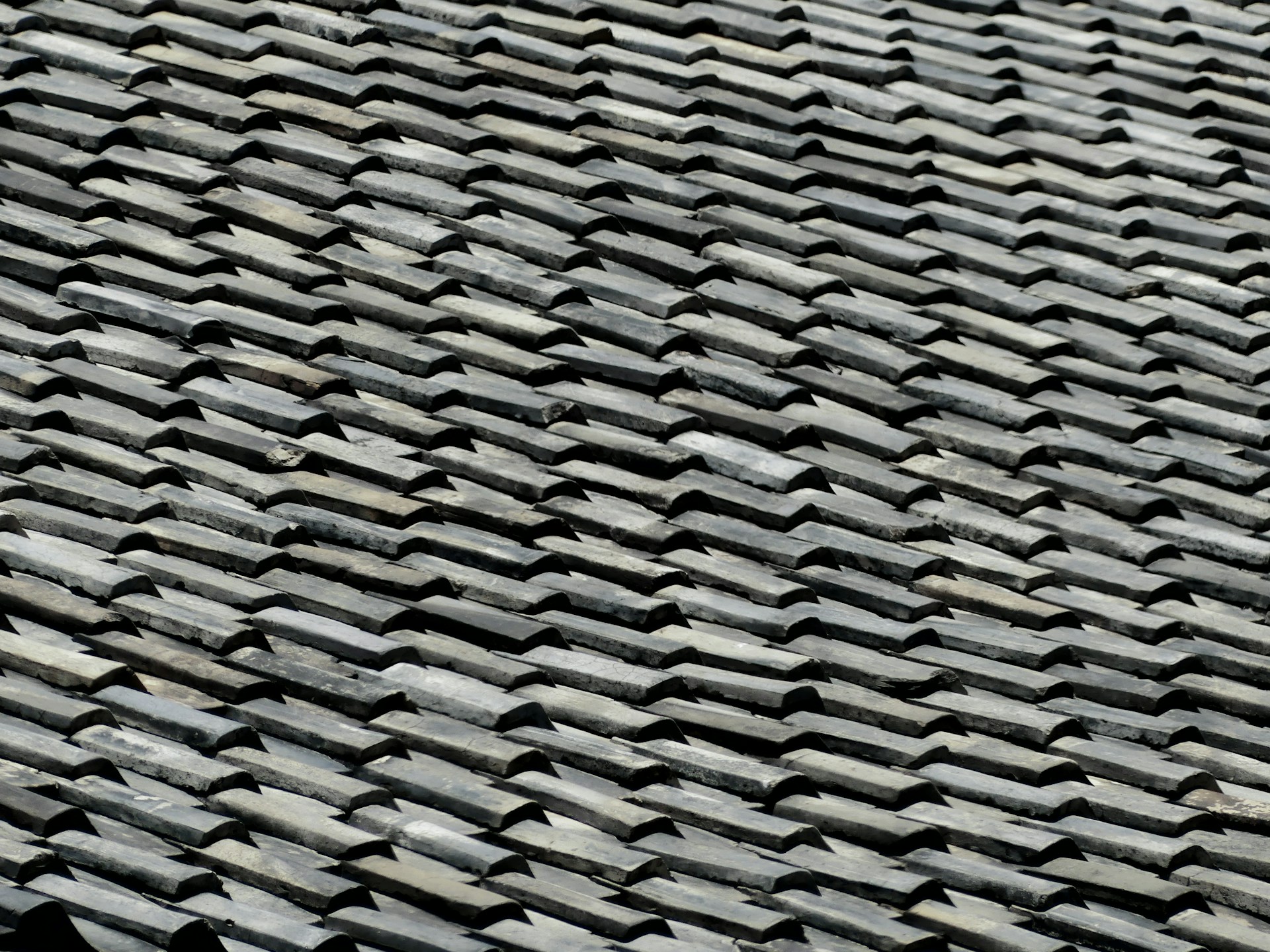
French flat roofing tiles read as a low, orderly grid from the street. Most have side and head channels molded into the clay so each tile locks to its neighbor and sheds water through a built-in drainage path.
That interlock is the practical advantage. Interlocking tiles need fewer courses of overlap than a loose-laid tile, so the finished roof carries less weight per square. They also tolerate steeper, more complex rooflines with dormers and hips.
Common traits you will see in salvaged French stock:
- Roughly rectangular pan shape with a shallow rib or double rib
- Molded interlocks on one long edge and the head
- Nail holes or lugs cast into the tile body
- Flat to near-flat appearance in the field
Spanish S-Tile, Mission, and Barrel Forms
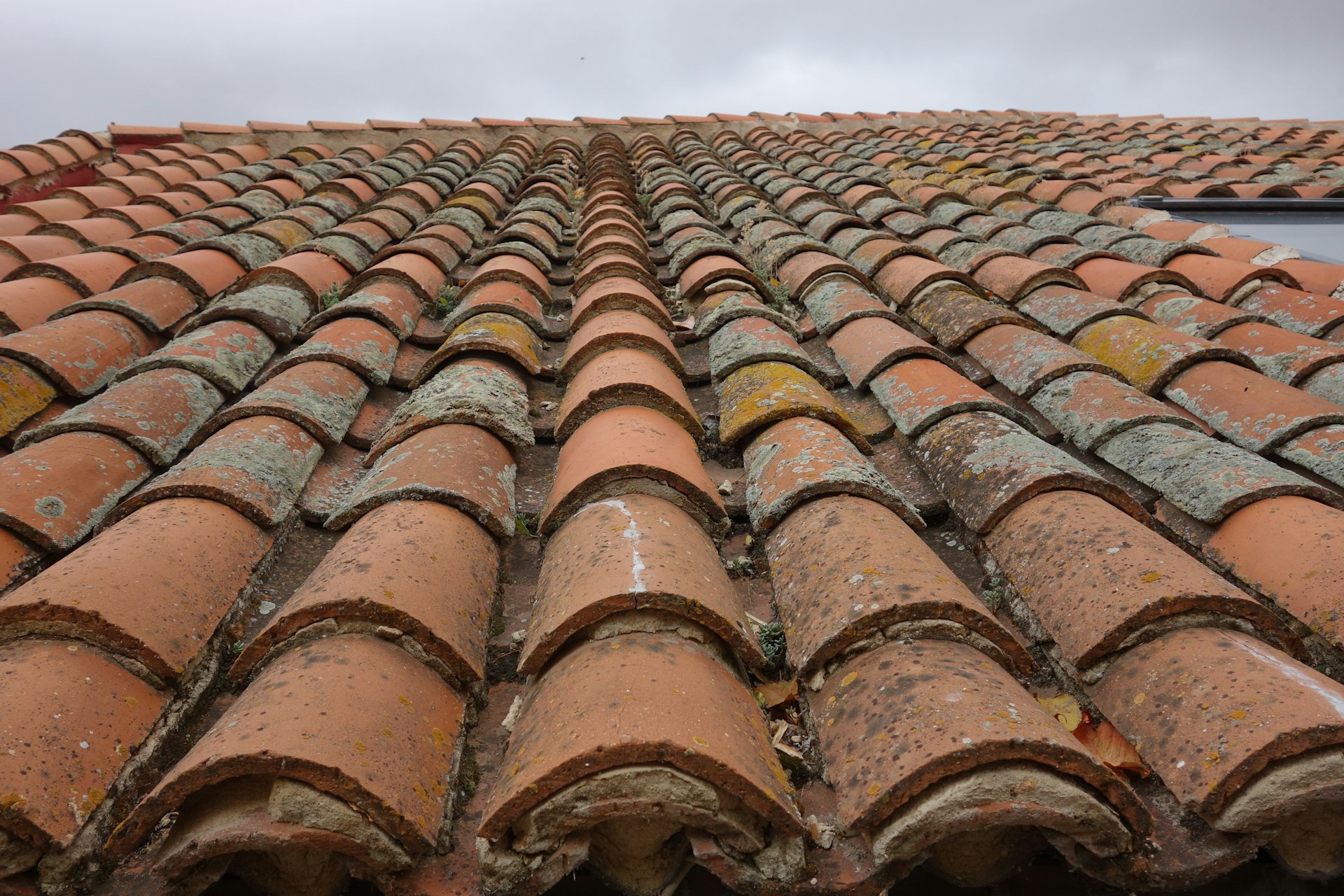
Spanish profiles trade the grid for shadow. The S-tile combines the pan and cover into one curved piece, while true mission and barrel tiles use separate pans and caps laid in alternating rows.
Barrel tiles produce the deepest relief and the most dramatic light play across a roof plane. They also demand more pieces, more mortar or fastening detail at the caps, and a deck that can carry the extra weight.
If your existing roof shows rolling half-round caps rather than flat pans, the salvaged barrel clay roof tiles sitting in reclaimed inventory are usually the closest authentic match. Once the profile family is settled, coverage math decides your order quantity.
Sizing, Coverage, and Structural Requirements
Two tiles with the same profile can still deliver very different coverage. Exposure, headlap, and side lap control how many pieces you actually need. Salvaged stock rarely matches modern published tables.
Measuring Exposure, Headlap, and Pieces per Square
Start with a physical sample, not a spec sheet. Lay three tiles in the pattern they will be installed in, measure the visible width and length, then divide 144 square inches by that exposed area.
That gives you pieces per square before waste. French interlocking clay roofing tiles often land in a tighter range because the interlock fixes the side lap. Barrel and mission layouts vary more, since the installer sets the cap spacing by eye.
Build your order this way:
- Measure exposure from installed samples, never from tile overall length
- Confirm minimum headlap for your roof pitch and local wind exposure
- Add 10 to 15 percent for breakage, cuts, and future repairs
- Order hips, ridges, and rakes as a separate count
Confirming Roof Pitch, Deck Capacity, and Dead Load
Clay is heavy. Depending on profile and thickness, a finished clay roof can weigh several hundred pounds per square. Barrel systems sit at the upper end of that range.
Have an engineer verify the framing before you order. Older Gulf Coast decks were often built for the tile they carried. A house reroofed with asphalt in 1985 may have lost sheathing or rafter capacity since then.
Pitch matters too. Low slopes need more headlap and a stronger underlayment strategy. This raises your piece count and changes your budget. With quantity and structure confirmed, color becomes the decision that people actually see.
Color, Patina, and Regional Design Fit
Nobody standing in the driveway measures your headlap. They see color, texture, and how the roof sits against the walls. Antique clay roof tiles carry weathering that new production cannot copy, and that variation is the whole point.
Selecting French Tones for Colonial, Creole, and Provincial Work
French salvage tends toward softer, earthier ranges: dusty terracotta, buff, muted orange-brown, sometimes with lichen shadowing along the exposed edge. On French Colonial and Creole restorations, that quieter tone keeps stucco and cypress trim from competing with the roof.
Mixed batches usually look better than uniform ones. Blending several salvaged lots across the field reproduces the natural drift you see on original roofs, and it hides the point where old meets new.
Using Spanish Profiles for Mediterranean-Style Rooflines
Spanish-style homes want saturation. Deeper reds, burnt orange, and flashed dark edges hold up against white stucco and bright sun. The barrel shadow lines exaggerate that contrast in low light.
For historic restorations where the roof is a protected feature, salvaged tile is often the only defensible answer. Guidance on historic building repair materials makes the same point: authentic materials preserve character in ways replicas do not.
Practical sourcing steps are covered in this guide to sourcing authentic reclaimed clay. Color alone will not close the gap on a partial reroof, though, because dimensions have to line up too.
Matching Existing Roofs and Specifying Complete Systems
Partial roof repairs are where most clay jobs go sideways. A tile that is a quarter inch short throws off every course above it. No amount of color matching fixes a bad fit.
Matching Field Tile Dimensions, Surface Texture, and Weathering
Pull three sound tiles off the existing roof and measure length, width, thickness, and rib height. Note whether the surface is smooth-extruded or sand-faced, since texture reads differently from the ground.
Send those numbers and a photo before you order. A supplier working from real batch photos can tell you honestly whether a lot matches or only comes close. This is the same discipline behind historic slate tile matching work.
Locating Ridge Tile, Hips, Valleys, and Other Fittings
Fittings are the hardest part of any salvaged order. Ridge tile, hip starters, and rake pieces were made in smaller numbers and broke first, so they disappeared from the market before field tile did.
Ask about these early:
- Ridge tile length and whether it is angular or half-round
- Hip starters and closures for each hip run
- Rake or verge tiles for gable edges
- Field tile overage to cover future breakage
Some projects mix systems, using reclaimed clay on the main body and reclaimed slate on a lower wing or porch. That is a legitimate historic approach. This is discussed further in this look at reclaimed materials for historic roof preservation. Getting all of it confirmed depends on how well you vet the batch before money moves.
Sourcing, Inspection, and Job-Site Planning
Salvaged tile is sold as-is, so inspection happens before purchase, not after delivery. Ask where the tile came from, what building it served, and how it was culled.
Sound each sample by tapping it. A clear ring means dense, intact clay. A dull thud usually means internal cracking or frost damage. That piece belongs in the discard pile, not on a roof.
Evaluating Authentic Salvaged Tile Batches Before Purchase
Request batch photos showing full pallets, not staged hero shots. Look for consistent thickness, intact nail holes, and edges that are worn rather than freshly chipped.
Ask directly whether the lot was hand-inspected and culled. Reclaimed Slate Roofing sounds and culls every piece before crating, whether it is barrel clay or a rare slate variant, so nothing reaches a pallet untested.
Checking Availability and Coordinating Freight Delivery
Reclaimed inventory moves. There is no reorder button on a building that was demolished last spring, so confirm the quantity and fittings in the same conversation.
Plan the logistics with your crew. Crated and palletized clay needs a liftgate or on-site equipment. Delivery timing should match your tear-off schedule so pallets are not sitting in the mud for two weeks.
Call 225-954-8393 to check what is in stock and get real pricing before your order window closes. With availability confirmed, the last question is which profile actually serves the building.
Making the Right Material Call for the Project
The building usually answers this for you. Original profile, original color range, and original dimensions set the spec on any matching job. Deviation is the first thing a trained eye catches.
Choose French interlocking profiles when the roof is complex, the framing is marginal, or the architecture is Creole, French Colonial, or Provincial. Choose barrel tiles when the existing roof rolls, when you need deep shadow lines, and when the deck can carry the load.
For new heritage builds, you have more freedom, but the same rules apply: pick one tradition and detail it correctly. Mixed-profile roofs read as accidents. Reclaimed French clay roof tiles and reclaimed slate both suit historic restorations, so the real decision is which tradition the building already belongs to.
Frequently Asked Questions
How Much Do Reclaimed French Clay Roof Tiles Cost per Square?
Pricing depends on profile, condition, quantity, and how rare the format is. Builder-direct salvage pricing avoids retail markup, but figures move with what is actually in the yard that month. Call for current numbers tied to your piece count.
Where Can I Buy Hand-Inspected Reclaimed French Clay Tiles near My Project Site?
Salvaged clay is a national market, not a local one, because supply follows demolitions. Orders ship by freight nationwide, crated and palletized for job-site delivery, with liftgate service on request.
How Can I Tell Whether Salvaged French Clay Tiles Are Sound and Ready for Reroofing?
Tap each tile and listen for a clear ring rather than a dull thud. Check for hairline cracks, spalled faces, and broken nail holes. Reputable suppliers hand-sort and cull before crating. This removes most failures upstream.
What Sizes, Profiles, and Colors Are Common in Authentic French Clay Roof Tile Inventory?
French salvage usually appears as flat or lightly ribbed interlocking pans in earthy terracotta, buff, and muted orange-brown. Dimensions vary by original maker. Always match against measured samples from the existing roof.
How Many Reclaimed Clay Tiles Are Needed per Square, including Waste and Breakage Allowance?
Calculate from measured exposure on installed samples. Then add 10 to 15 percent for cuts, breakage, and future repairs. Barrel systems generally require more pieces per square than interlocking flat profiles.
Are Old French Clay Roof Tiles Worth More Than New Manufactured Tiles?
For restoration and high-end work, yes; patina and period-correct dimensions cannot be manufactured. Salvaged clay also keeps material out of landfills and skips new firing energy entirely.
Spec It Once, Match It Right
The profile decision is not a style preference. It is a structural and dimensional commitment that sets your coverage math, your fastening details, and whether the finished roof reads as authentic or approximate.
Take measurements of the existing roof. Confirm deck capacity, then match against real batch photos before you order. That sequence protects your schedule and your client's budget on any historic restoration or heritage new build.
Browse available slate and clay tile inventory at reclaimedslateroofing.com, or call 225-954-8393 to discuss specific sizes, colors, or sourcing origins for your project. If you are specifying materials for a matching job, call first. Most orders ship within 2 to 5 business days.