Sourcing reclaimed Ludowici roof tile for a restoration or heritage project gets tricky fast. You are hunting for clay tile that matches the profile, color, and size already on the building, and most roofing suppliers simply do not have it.
Take the wrong batch, and you can lose weeks chasing a better match or haggling with another salvage yard.
Reclaimed Slate Roofing supplies authentic reclaimed clay tile and slate, hand-inspected, sounded, and culled before shipping. Orders usually ship in 2 to 5 business days, crated for direct job-site delivery and priced for builders.
Ludowici-specific inventory is variable, so the company works as a sourcing partner for reclaimed specialty clay tile rather than stocking a fixed Ludowici catalog.
In this guide, you will find how to spot genuine Ludowici tile, judge batch quality, confirm the tile will work with your roof system, and plan freight. It sticks to the details you actually need before you make a call.
What Buyers Mean When They Search for Reclaimed Ludowici Roof Tile
If you are searching for reclaimed Ludowici roof tile, you likely have a project in mind and a specific gap to fill. Ludowici has been a major name in American clay roofing since the late 1800s, and you still find their tiles on buildings across the Southeast, Mid-Atlantic, and Midwest.
People want reclaimed Ludowici tiles for a couple of reasons. Restoration pros need accurate replacements for historic roofs, while builders on high-end homes want tile that has already stood up to 80 or 120 years of weather.
On a listing, "reclaimed Ludowici" should mean tile actually salvaged from an old roof, not new tile and not just any clay tile carrying the Ludowici name.
How Reclaimed Ludowici Differs From Other Salvaged Clay Roofing
Not every salvaged clay tile is Ludowici. Their tiles have distinct profiles, glazes, and sizes that set them apart from other old clay makers. Over the years, the line included French profiles, flat interlocking shingles, Spanish S-tiles, and more.
Generic salvaged tiles can look similar at first, but the interlock, nail hole placement, and headlap often differ.
Mixing makers on one roof causes fit problems, leaks, and a mismatched look that hurts both performance and curb appeal. If you need Ludowici, confirm the specific profile before you accept a batch. A guide to reclaimed clay tiles spells out what to look for.
Why Historic Matching Drives Demand
If your building is on the National Register or in a local historic district, you will likely have to match the original roofing material as closely as possible. National Park Service guidance on preserving historic roofing calls for keeping the roofing materials that help define a building's historic character, clay tile included.
Take a 1920s Tudor Revival in Richmond or a Mediterranean home in Palm Beach: both probably had Ludowici tile in the original specs.
Swapping in another maker's tile, even a close-looking one, can get a project rejected by the local preservation board. That need for an exact match keeps reclaimed Ludowici tile in high demand for permitted restoration work.
How to Verify Authenticity and Batch Quality
Real reclaimed Ludowici tiles show physical signs of their origin, and you can check them before approving a shipment. Skip this, and you risk mismatched or weak tile on the roof.
Profile Marks, Dimensions, and Surface Clues
Look for a maker's mark or profile name stamped on the back or underside. You might see embossed text, a logo, or a mold number pressed into the clay. Some older tiles have no stamp but still show mold shapes unique to Ludowici.
Measure the length, width, and thickness, then compare them to known Ludowici specs. Even a quarter-inch off in the headlap or interlock can ruin the fit with your existing tiles. Glaze matters too.
Ludowici made tiles in natural terra cotta, manganese brown, green, and custom glazes, and the glaze should show natural wear, not fake distressing.
What to Look for in Chips, Cracks, and Weathering
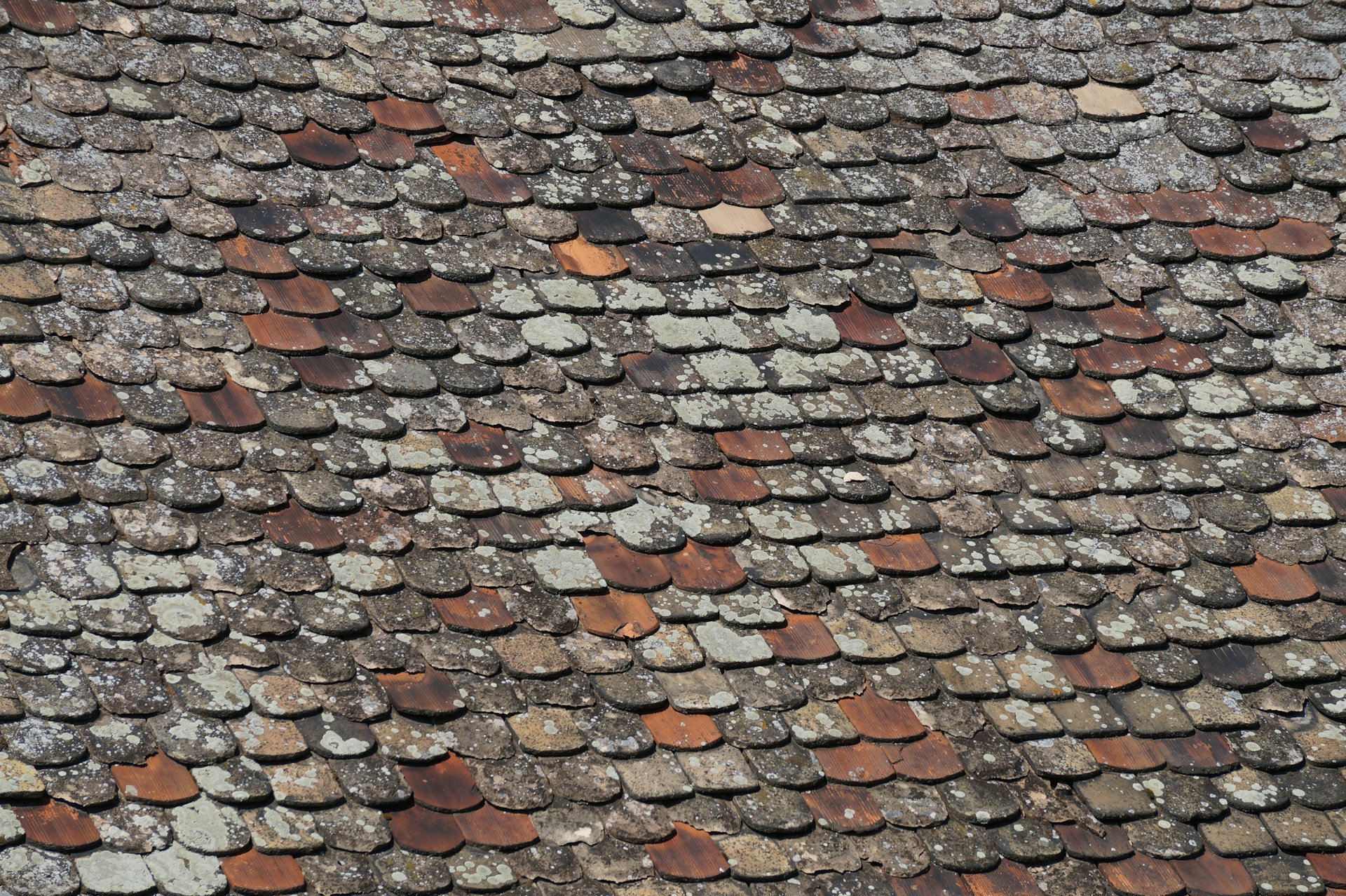
Small edge chips, about the size of a dime, are normal and rarely hurt performance. Cracks running through the tile are a problem; a tile cracked across its width will leak eventually.
- Acceptable: Minor edge chips, surface crazing, light moss stains
- Caution: Hairline cracks at the nail hole or headlap
- Reject: Cracks all the way through, big spalls exposing raw clay, flaking glaze
Weathering on the face is expected and part of the patina. But if the underside feels soft and powdery, that points to moisture damage, and those tiles should not go back up.
Why Hand Inspection and Soundness Matter
Tapping each tile with a knuckle or small hammer tells you whether the clay body is sound. You want a clear, ringing tone.
A dull sound usually means an internal crack or delamination you cannot see. Clay tile is fragile and needs careful handling; tiles yanked off a roof without care often hide damage that only shows up after installation.
Suppliers who check and sound every tile before shipping help you avoid surprises on the scaffold. The quality of the whole batch ties directly to how those tiles perform once fastened to your roof.
Fit, Performance, and Roof System Compatibility
Reclaimed Ludowici roof tile has to fit your roof's geometry and meet structural and weatherproofing needs, not just look right.
Profile Matching for Repairs and Partial Re-Roofs
If you are patching or extending a Ludowici clay roof, the new tiles must interlock cleanly with the old ones. If the channel depth, rib height, or overlap is off, you get gaps that let wind-driven rain under the tile.
Pull a sample tile from your roof and test-fit it with the reclaimed batch before you commit. Measure everything and share those numbers with your supplier up front. On roofs with multiple slopes, check tiles on each side, since sun and weather age them differently and replacements need to blend across the whole roof.
Structural Weight and Deck Considerations
Clay roofing is heavy. Ludowici tiles usually run 8 to 12 pounds per square foot installed, depending on the style. Before ordering, confirm your roof deck and framing can carry the weight.
Original Ludowici roofs were built to carry that load, but new additions or dormers might not be. Check the structural engineer's numbers before you buy material.
Underlayment, Flashing, and Ventilation Checks
The underlayment matters as much as the tile. Use a synthetic underlayment rated for clay roofing; it outlasts ordinary felt under heavy tile. Flashings at valleys, hips, and penetrations need to be sized for the tile's water channels.
Ventilation often gets overlooked. Ridge and eave vents must allow for the airspace under the tile, which differs from a flat shingle roof. Too little ventilation under clay tile breaks down the underlayment faster, even when the tiles look fine.
Where Reclaimed Tiles Make Sense in Real Projects
Reclaimed Ludowici clay tile works well in three project types, each with its own priorities.
Historic Restoration and Preservation Work
Restore a 1926 Mediterranean Revival estate in Coral Gables with its original barrel-profile Ludowici roof, and a modern substitute will not pass historic review. Reclaimed tiles from the same era and production run give you the right profile, glaze, and fit, which helps keep the project in line with preservation standards.
On large institutional buildings like churches, libraries, and campus halls, reclaimed Ludowici tile keeps the look consistent across big roofs, where even small color shifts stand out.
Additions, Patching, and Phased Roof Repairs
Most clay tile roofs only lose a few tiles to storms or leaks, so you rarely need to replace the whole thing. A good batch of reclaimed tile lets you patch the damage and blend repairs into the rest of the roof.
Phased repairs also spread out the budget. You can tackle the most urgent spots now and plan the rest later, drawing from the same source so the roof stays consistent.
New Heritage-Style Builds Using Salvaged Material
Architects designing heritage-style projects want the deep color and surface character that only decades of natural weathering produce. A new roof laid with 90-year-old Ludowici tile has a presence no factory finish can match. Sourcing architectural clay tiles from salvage gives a new build that authentic depth.
This approach also supports sustainability. Reusing old clay tile keeps construction waste out of the landfill and avoids the energy of new quarrying and firing, in line with construction material reuse guidance from the EPA.
Availability, Pricing, and Freight Planning
Reclaimed Ludowici tiles are priced on profile availability, condition, and order size. There is no fixed catalog price; it depends on what you need and what is out there.
What Affects Cost per Tile or per Square
A common profile in standard terra cotta usually costs less than a glazed or custom color. Tiles in top shape, with no chips or cracks, cost more than those with light cosmetic wear.
- Profile rarity: Discontinued profiles cost more, since supply is limited.
- Batch size: Larger orders often bring the price per tile down.
- Condition grade: Fewer defects raise the price per piece.
- Glaze type: Glazed tiles are harder to find than unglazed.
- Region of origin: The farther the salvage site, the more you pay in freight.
Why Rare Profiles and Color Runs Change Lead Time
Need a flat shingle profile in a manganese brown glaze? You may wait a while to find enough, compared with a standard barrel tile in natural red. Rare profiles and specific colors depend on what is in stock, and when a batch appears, it tends to move quickly.
Plan your order early,y and you stand a better chance of a consistent lot. Waiting until the project has started to look for material invites timeline trouble you could have avoided by reaching out sooner.
Crating, Delivery Access, and Damage Inspection on Arrival
Pallets work best for shipping reclaimed clay tile, crated with cushioning between layers. Tiles stacked loose on a flatbed almost guarantee breakage, so confirm your supplier will crate and palletize the order for the job site.
When the shipment arrives, open every crate and inspect before you sign. Photograph any damage to packaging or tile. Report shipping damage within 48 hours to file a freight claim. If you have no forklift or dock on site, arrange liftgate service and a delivery window ahead of time.
Making a Confident Sourcing Decision
The difference between a smooth project and a headache often comes down to the questions you ask before approving a batch of reclaimed Ludowici roof tile.
Questions to Ask Before You Commit
Before you buy reclaimed clay tile, get clear answers on these:
- What is the verified Ludowici profile name or mold number?
- Can they send batch photos showing the face, back, and edge?
- What is the cull rate, and how were rejects sorted out?
- How will they crate and ship the order?
- What is the lead time from approval to delivery?
If a supplier cannot offer that level of transparency, they are probably not ready to handle your project.
When Reclaimed Material Is the Right Choice
Reclaimed Ludowici clay tile makes sense when you need to match an old roof, when preservation standards call for original materials, or when you want real character that new stock cannot give you.
It is also a strong pick for sustainable reclaimed roofing focused on reusing building materials. If your schedule, budget, and structure suit clay tile, and you have confirmed the profile match, reclaimed Ludowici has already proven it can last.
How to Balance Authenticity, Performance, and Timeline
Start sourcing early. Get a physical sample to confirm the profile, review batch photos, check the supplier's inspection process, and plan freight access at your site. A few days on these steps up front can save weeks later.
Ready to move? Call Reclaimed Slate Roofing at 225-954-8393 to ask about current reclaimed specialty clay tile availability and get a quote that fits your project. Or browse the current reclaimed clay inventory to see what is ready to ship.
Frequently Asked Questions
How Do You Verify Authenticity and Match Profile on Salvaged Clay Roof Tile From Older Estates and Institutional Tear-Offs?
Flip each tile over and check for a maker's mark, mold number, or embossed logo. Measure width, length, headlap, and interlock, then compare those numbers to Ludowici's known specs. If you can, do a physical test-fit against a tile from the roof, since nothing beats that for confirmation.
What's the Installed Cost Range for Heritage Clay Tile Roofing Once You Factor in Freight, Sorting, and Specialized Labor?
Installed costs for reclaimed clay tile usually run between $15 and $30 per square foot. The final price depends on how rare the profile is, the condition, how far it travels, and labor rates in your area. Glazed or hard-to-find profiles tend to cost more.
Are Salvaged Clay Tiles Typically Cheaper Than New Production When You Account for Waste, Breakage, and Time to Blend Lots?
Reclaimed tiles can cost less per piece, but add a 10 to 15 percent cushion for breakage and sorting. Across the whole project, reclaimed tiles often come in at or below the price of new Ludowici, especially for discontinued profiles that would need a custom run.
How Long Do High-Fired Clay Roof Tiles Realistically Last in Freeze-Thaw Climates When They've Already Seen Decades in Service?
If Ludowici tiles pass a good soundness test, they can last another 50 to 75 years, even in tough freeze-thaw areas. The trick is making sure they are low in porosity and free of internal cracks. Pull any tiles that have soaked up moisture or show spalling before you install them.
What Are the Most Common Failure Points on Older Clay Tile Roofs, and How Do You Inspect for Them?
Cracked pans, worn nibs, corroded fasteners, and bad underlayment cause most of the trouble. Walk the roof and look for tiles that have shifted or let in daylight. Pull a few tiles to check the underlayment and flashing underneath. More leaks come from failed fasteners than from cracked tile.