If you are writing a spec for a slate or clay tile roof and the project calls for true historic character, you will probably hit a sourcing roadblock no material database can solve. Reclaimed roofing for architects is not about picking from a catalog.
You need to know where the material comes from, how it is graded, and what to put in your scope so your contractor brings exactly what your drawings show.
Reclaimed Slate Roofing supplies hand-inspected, genuine salvaged slate and clay tile at builder-direct prices, with ship times usually 2 to 5 business days. Every piece is checked by hand and prepped for reuse with its original surface intact.
That gives you a material source you can actually specify and a delivery window you can plan around.
In this guide, you will find when salvaged roofing makes sense, how to judge slate and tile by performance and looks, what to write into your specs, and how to handle procurement and delivery on live projects. It is built for architects who need information they can use, not a sales pitch.
When Authentic Salvaged Roofing Is the Right Specification
Reclaimed slate and salvaged clay tile belong in your spec whenever the project needs real historic material, not a modern imitation. It usually comes down to three situations: matching an existing roof, building new with a heritage look, or meeting preservation rules that will not allow substitutes.
Historic Matching for Repairs and Additions
If you are adding to a 19th-century schoolhouse or patching a Gilded Age home, the existing slate sets the bar.
New quarry slate, even from the same region, lacks the weathered patina and subtle variation that show up after a century of exposure. Preservation standards prefer in-kind replacement over substitutes.
In Richmond, Virginia, a recent restoration needed 16-inch grey slate to match an 1890s roof. The architect called for reclaimed slate from a documented historic teardown, and the new courses blended in by the end of the first season. You cannot get that from a factory product, no matter how close the color.
If you are unsure how to match historic slate and tile to what is already there, batch photos and sample approvals before shipping are the quickest way to check the fit.
Material Choices for New Heritage-Inspired Designs
For new homes or institutions built in traditional forms, reclaimed roofing gives a richness new material cannot. Black reclaimed slate in 18-inch or 20-inch random widths creates a bold roof against lighter walls.
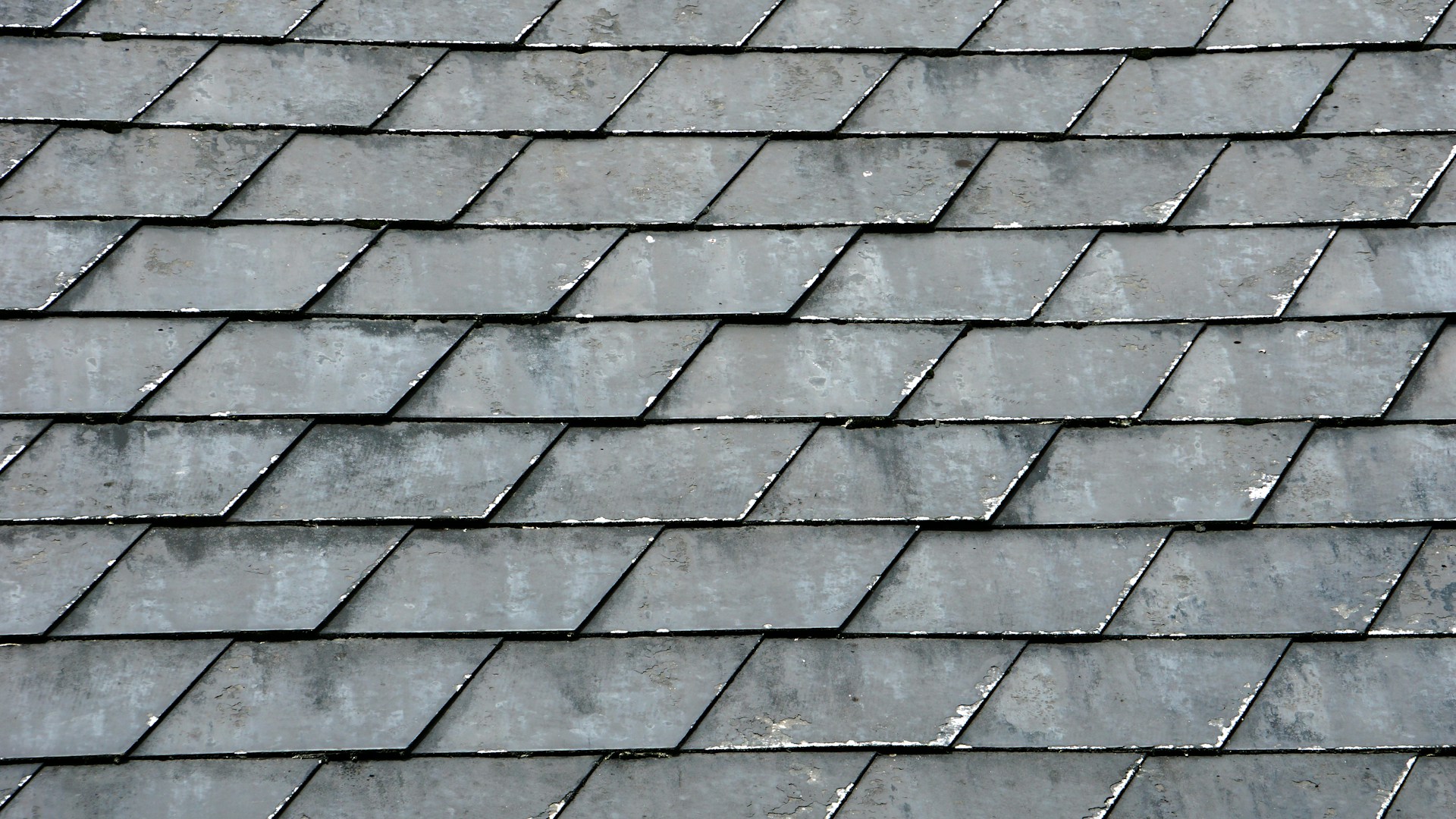
Grey reclaimed slate suits Colonial Revival or transitional styles when you want something quieter and more weathered.
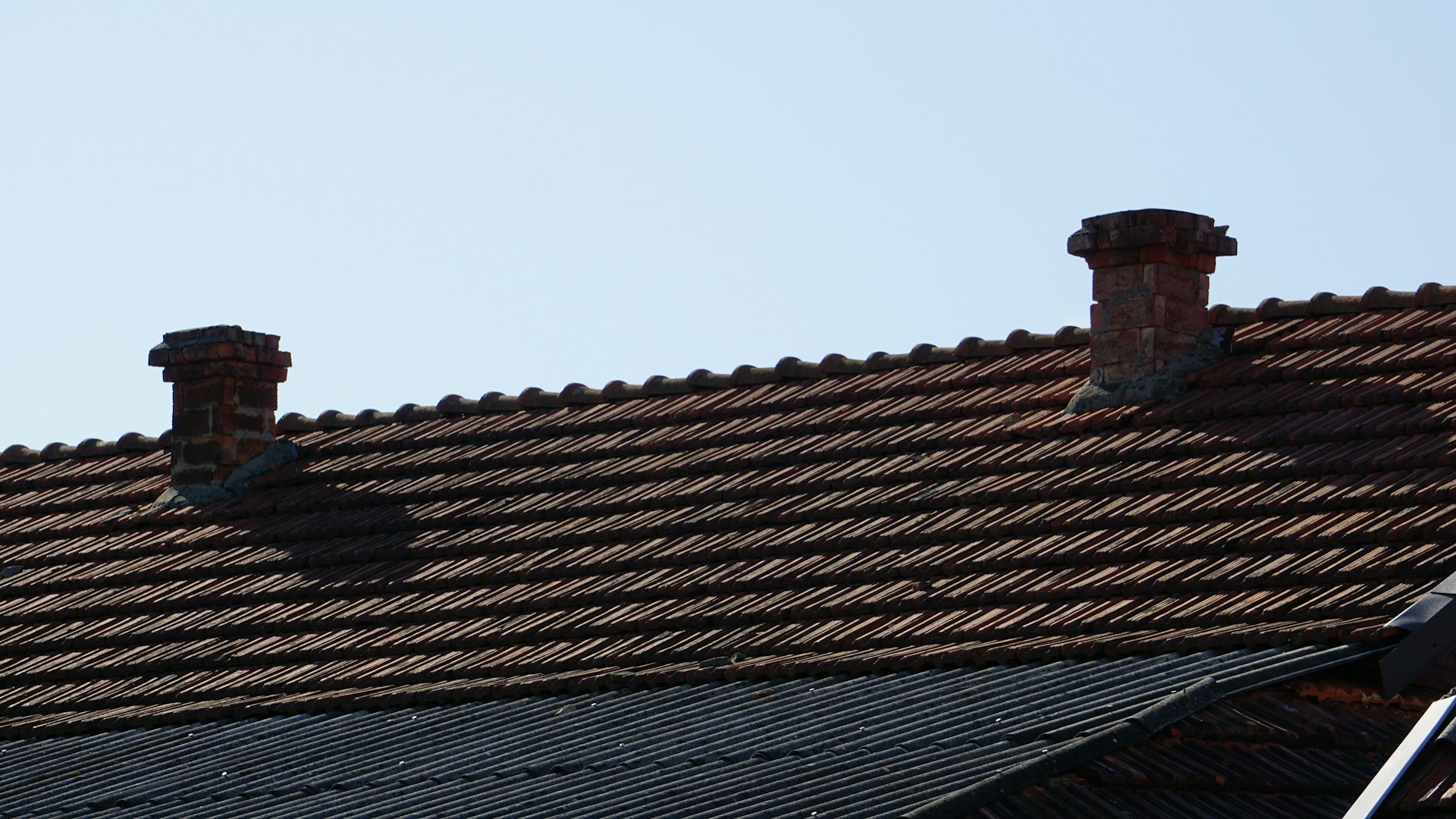
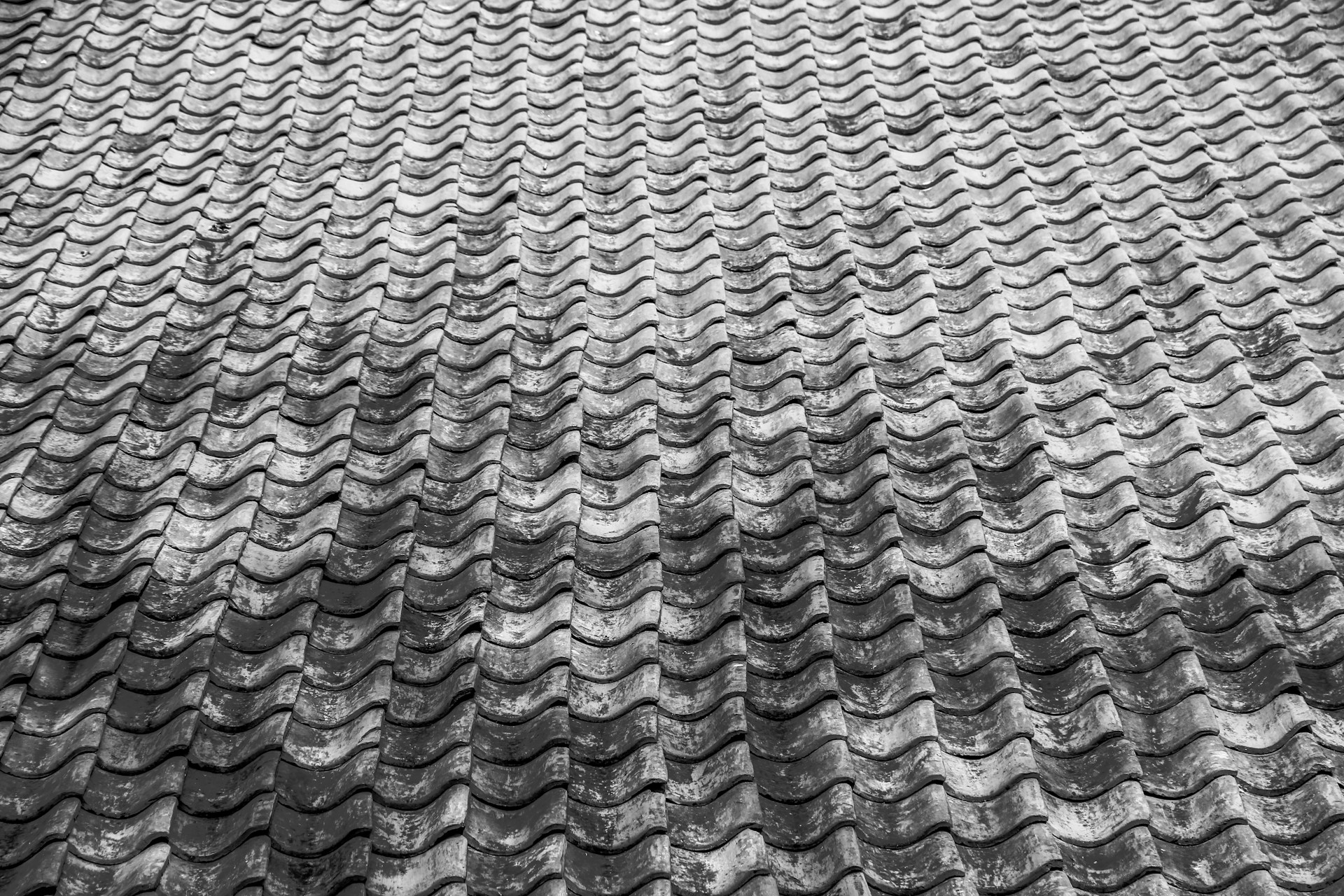
Clay tile is a strong choice for Spanish Colonial, Mediterranean, or Mission-style projects. Salvaged clay roof tile brings warmth and a range of color you only get from years of sun and rain.
Why Reclaimed Outperforms Imitation Products in Visual Continuity
Synthetics or cast-concrete tiles might get the shape close, but they miss on texture, edges, and surface detail. Reclaimed materials carry random wear patterns that catch light in ways new products do not. From the street or up close, they read as real, and preservation boards usually notice the difference.
That depth matters most when you are phasing a project and replacing only part of a roof, where a new course sits beside century-old material. Either way, you will want to check each piece before it ships.
Evaluating Slate and Tile by Performance and Appearance
Not every slate or clay tile from a tear-off is good enough to reuse. The difference between a solid reclaimed product and a risky one comes down to how well it is inspected before it reaches your site.
How Hand Inspection, Sounding, and Culling Affect Roof Performance
Inspectors strike each piece of reclaimed slate and listen. A clear ring means the slate is solid; a dull thud usually means cracks, delamination, or water issues. After sounding, they check for edge chips, nail holes, and excess flaking.
During culling, questionable pieces get pulled. A good supplier removes 15 to 30 percent of the raw batch, depending on the source and slate type. What arrives at your site should be ready to install, not a pile of unsorted tear-off for your crew to figure out.
Patina, Weathering, and Color Variation in Existing Roof Fields
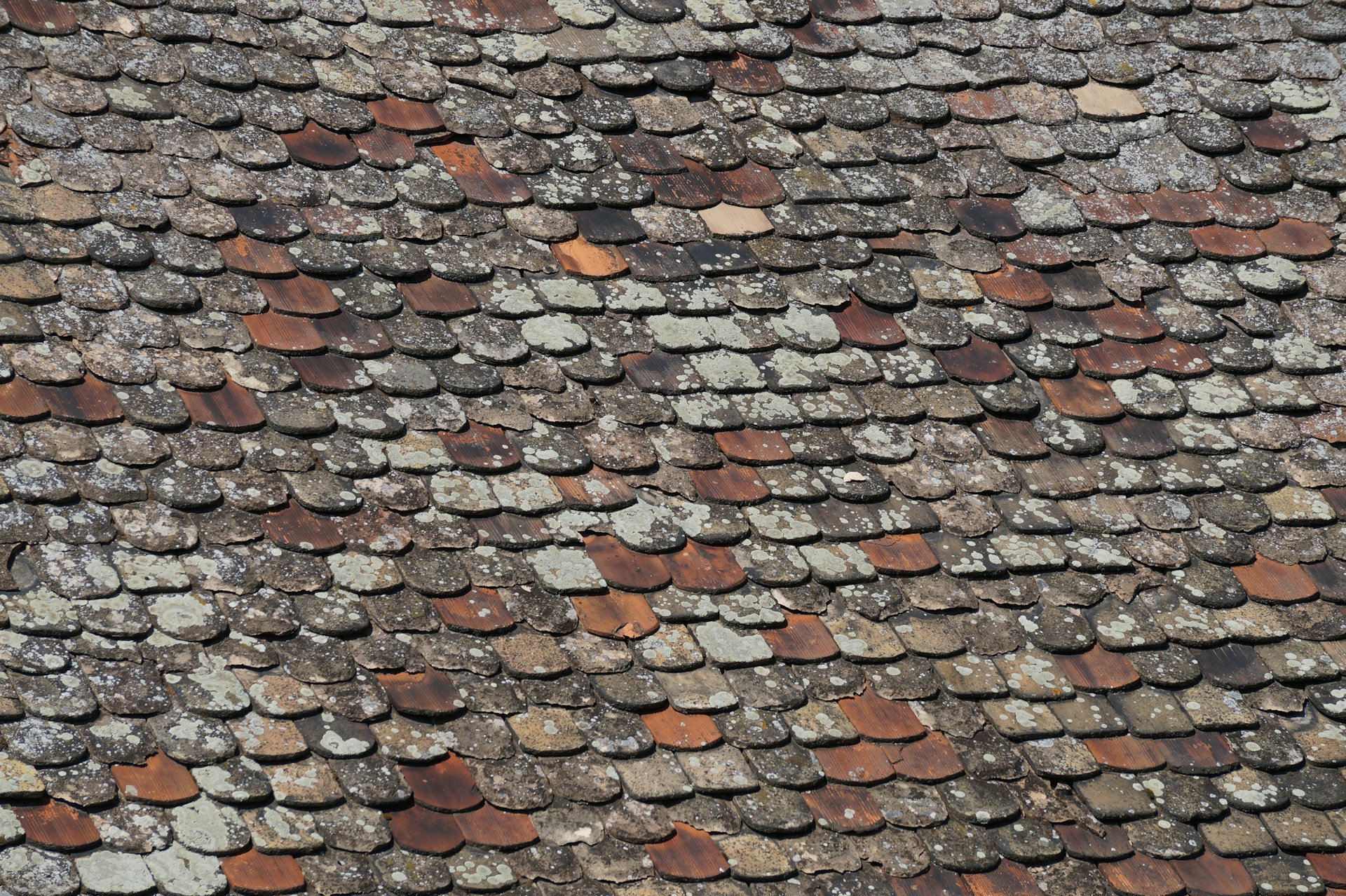
Reclaimed black slate holds a deep, matte surface with real texture from decades outside. Grey slate shows softer color shifts and mineral streaks. Reclaimed clay tile might show fire marks, lichen, or worn edges that add to its character.
If your roof has areas with different exposures, expect color variation between batches. Barrel tile from a sunny south slope will not match shaded north-side tile. That is not a flaw; it is part of the character. Still, always check batch photos before you approve an order.
How Architects Can Specify Reclaimed Materials Clearly
Loose specs are the fastest way to end up with substitutions you never wanted. When you specify reclaimed slate or salvaged clay tile, your scope should name the source, the approval process, and the acceptable range of variation.
Writing Scope Around Material Source and Approval Standards
State in your spec that roofing material must be genuine reclaimed slate or clay tile from a verified historic demolition. Make clear that no synthetic, cast, or new quarry substitutes are allowed without your written sign-off. Spell out the color, size range, and format.
A sample line: "Roofing slate shall be reclaimed natural slate, black, 18-inch x random width, hand-inspected and sounded. Supplier shall provide batch photos for architect review and approval prior to shipment."
That single paragraph heads off most substitution arguments. A guide to specifying reclaimed slate can get you and your contractor aligned early.
Using Batch Photos and Field Verification to Reduce Mismatch Risk
Builder-direct reclaimed materials usually come with batch photos showing color, surface, and size mix. Check these against your approved sample or the existing roof. If you are matching an existing roof, shoot photos under the same light and compare.
This step matters most on clay tile restoration, since glaze color, profile, and wear can vary a lot. Ask for photos from different angles and surfaces.
Coordinating Quantities for Full Re-Roofs, Patches, and Specialty Areas
Figure out your material needs by roof area, then add extra for waste, sorting, and cuts:
- Full re-roof: 10 to 15 percent extra
- Patch or repair: 15 to 20 percent, since smaller batches mean more sorting
- Specialty areas (hips, valleys, dormers): specify trimmed or custom pieces separately
- Starter and cap courses: confirm whether matching pieces are available
On repair work, matching thickness matters as much as color, so your contractor does not have to shim or force pieces to fit.
Procurement, Lead Times, and Jobsite Coordination
Reclaimed materials follow a different timeline than factory-ordered stock. The main variables are what is in inventory, how long inspection and crating take, and freight time to your site.
What Nationwide Freight Delivery Means for Active Projects
Reclaimed slate and clay tile ship by freight carrier to any U.S. jobsite. Most orders go out 2 to 5 business days after you confirm, which is faster than many expect for specialty material. You get tracking and delivery instructions before it leaves the warehouse.
On a commercial reuse project in Philadelphia, the architect needed reclaimed materials for historic roof preservation. Direct freight delivery let the roofing crew receive material exactly when they needed it, with no off-site staging, which kept the project moving.
Crating, Palletizing, and Delivery Access Planning
Orders are crated and palletized for safe shipping and easy handling. If your site has no forklift, you can request liftgate service. Confirm delivery access, turning space, and unloading with your GC before the ship date.
On tight sites, scheduling a delivery window keeps material off the street and out of other trades' way. Ask your supplier to coordinate delivery with your site conditions.
Final Sale Terms, Delivery Inspection, and Freight Damage Reporting
Reclaimed roofing orders are final sale. Because you approve batch photos before shipment, there are no returns once it ships. Your team should check crates on arrival and report any freight damage within 48 hours so the supplier can help with a claim.
Build this inspection step into your site process and remind the contractor in writing.
Where Reclaimed Roofing Fits Within a Larger Salvage Strategy
Reclaimed roofing is usually one part of a bigger salvage plan that might include old wood floors, vintage lighting, salvaged mantels, or restored hardware. The trick is making sure these elements come together to support your design intent.
Coordinating Roof Materials With Other Historic Building Elements
If you are working with reclaimed heart pine flooring and salvaged fireplace surrounds inside, the roof should match that authenticity. A manufactured roofing product over a building full of genuine reclaimed materials feels off, and clients and preservation boards pick up on it.
Choose your roofing material with the same care you give interior finishes. Identify the source, the approval process, and the acceptable range of character for each material.
When Roofing-Specific Supply Differs From General Salvage Yards
General architectural salvage yards may stock mantels, doors, and plumbing fixtures, but roofing demands a higher level of quality control. Slate and clay tile must be structurally sound, weather-tight, and sorted by size and thickness.
Most yards that sell reclaimed wood and lighting do not sound, sort, and prepare roofing to be job-site ready.
This is where a dedicated guide to sourcing reclaimed roofing helps. Your spec should call for a supplier who treats roof material as a structural building product, not a decorative piece.
Balancing Design Intent Across Exterior and Interior Reuse
The best projects happen when reclaimed exterior and interior elements share a similar age, patina, and, where possible, regional origin. An 1880s slate roof feels right over 1890s heart pine floors. A 1920s clay tile roof pairs well with period tilework and hardware inside.
Coordinating at this level takes effort, but it is the difference between a thoughtful restoration and something that feels pieced together. Lock in every material decision before you place orders.
Locking In the Right Material Before You Order
The difference between smooth roofing procurement and a frustrating delay often comes down to a few choices you can settle before your first purchase order.
Questions to Resolve Before Approval
Before you approve any reclaimed material, confirm these:
- Does the batch match your existing roof or approved sample?
- Is the material sounded, culled, and ready to install?
- Are the sizes and thicknesses right for your roof design?
- Is there enough quantity, with overage for waste and sorting?
- Does the supplier send batch photos for your review?
Getting these answers in writing before ordering saves you most project headaches.
Comparing Reclaimed Cost to New and Synthetic Options
A reclaimed slate cost guide lets you compare against new quarry slate and synthetic options. Reclaimed material usually lands between the two per square. Factor in the visual authenticity and the long lifespan of natural slate, often 75 to 100 years, and the long-term value stands out.
Builder-direct pricing cuts the retail markups that drive up specialty material costs. Combine that with turnaround often under a week, and you can keep the construction schedule moving without overspending.
What Architects Should Confirm Before Release for Purchase
For the final check, get written approval on batch photos and confirm delivery logistics. Make sure the contractor acknowledges final-sale terms, and add a sustainability note in your documentation if you are tracking Materials and Resources (MR) credits for LEED. That keeps the material positioned correctly for both the owner and any review board.
Frequently Asked Questions
How Do You Verify Reclaimed Slate or Clay Tiles Are Structurally Sound and Job-Site Ready Before Shipment?
A supplier hand-inspects, strikes, and sounds every piece to check for internal fractures or delamination. Pieces that give a dull tone, show edge damage, excess flaking, or nail hole problems get pulled from the batch. Only the pieces that pass are crated and shipped.
What Slate Types and Colors Are Typically Available Reclaimed, Pennsylvania Black, Vermont Green, Purple Slate, or Buckingham Black, and in What Formats?
Pennsylvania black and grey slate are the most common, in 16-inch, 18-inch, and 20-inch random-width formats. Vermont green, purple slate, and Buckingham Black appear in inventory from time to time, depending on what is coming out of demolition. Check current inventory for what is available now.
Are Reclaimed Roof Tiles Usually Cheaper Than New Once You Factor in Sorting, Waste, and Labor on a Real Roof?
Reclaimed slate usually costs less per piece than new quarry slate of similar quality. Budget 10 to 20 percent extra for sorting and field cuts. Given the proven 75-to-100-year lifespan, the installed cost per year of service is competitive.
What Information Should an Architect Include in a Spec for Reclaimed Slate or Salvaged Clay Tile to Avoid Substitution and Delays?
List the material type, color, size range, and source as genuine reclaimed from historic demolitions. State that no synthetic or new quarry substitutes are acceptable without your written approval. Ask for batch photos to review and approve before shipment.
Where Do Reclaimed Roof Tiles Typically Come From, and How Do You Document Provenance From Verified Historic Demolitions?
Salvage teams pull reclaimed slate and clay tile from historic buildings during demolition or roof replacement: churches, schools, factories, and large homes are common sources. A supplier documents provenance through sourcing relationships and by checking material characteristics against the stated origin.
What Are the Lead Times and Freight Considerations for Coordinating Job-Site Delivery of Reclaimed Roofing Across the U.S.?
Most orders ship within 2 to 5 business days after confirmation. Material is crated and palletized for freight delivery to any U.S. jobsite. You can request liftgate service and schedule a delivery window, and tracking details go out before shipment.
Your Next Step: From Specification to Shipment
You now have what you need to specify reclaimed roofing accurately. Whether you are matching an old roof, planning a period-inspired new build, or coordinating a multi-trade salvage plan, these steps help keep your design intent on track through construction.
Call Reclaimed Slate Roofing at 225-954-8393 to check current stock and get a quote tailored to your project specs. Or browse the latest salvaged roofing inventory to see what sizes, colors, and formats are ready to ship.