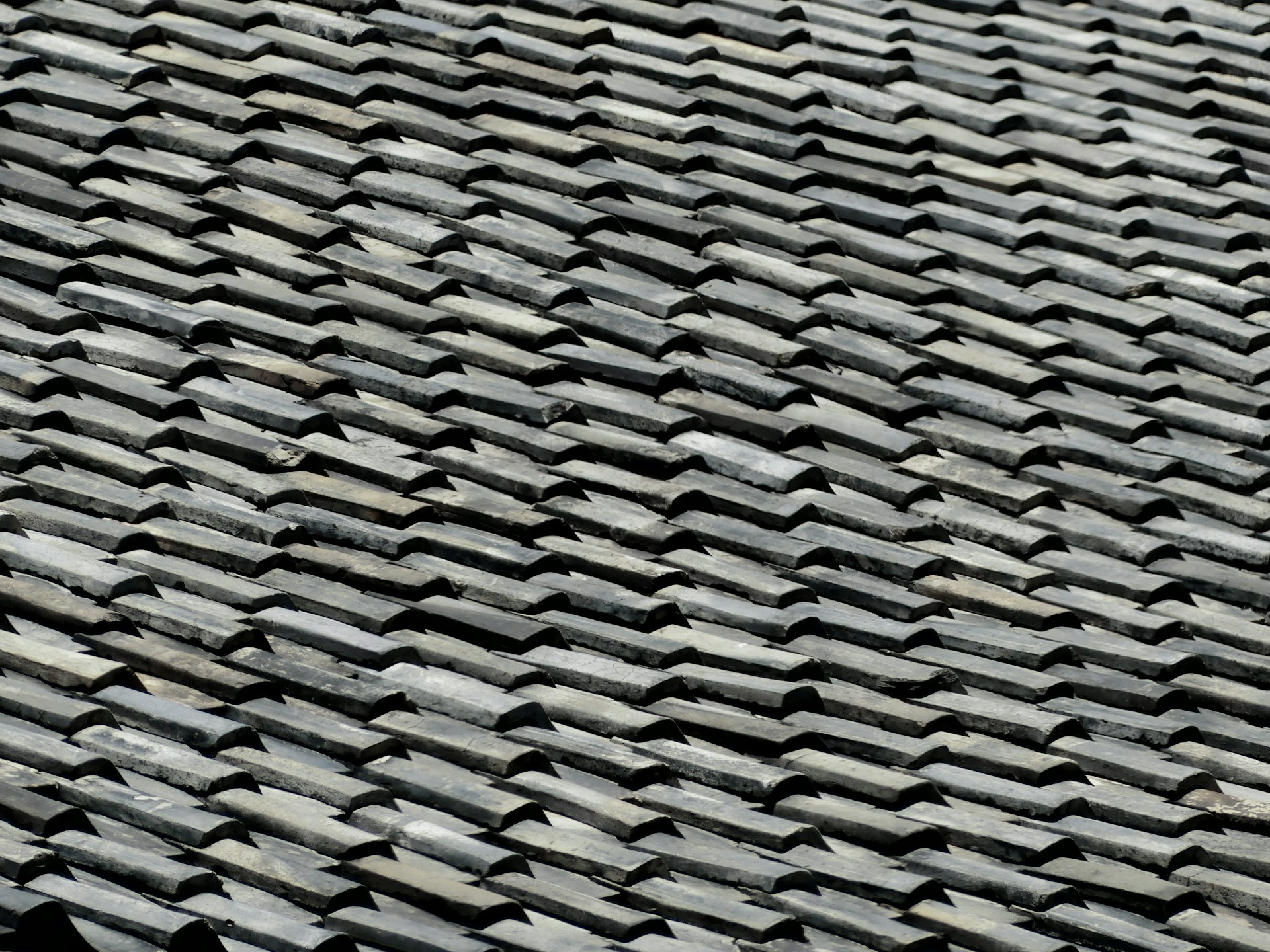
You have a reclaimed slate roof that has already survived decades on another structure, and now it is performing on yours. The question is not whether the material can last another 75 years. The question is whether your reclaimed slate roofing maintenance approach will let it.
Every decision you make about inspections, cleaning, repairs, and replacement sourcing either protects that service life or quietly shortens it.
Authentic reclaimed slate and clay tile, hand-inspected and historically salvaged, end up on roofs like yours precisely because they last. Installed correctly and maintained with the right methods, they routinely outlast asphalt, metal, and synthetic alternatives by generations.
But maintenance for authentic reclaimed slate is not the same as maintaining a standard roof. Treating it like one leads to avoidable failures.
Keep reading for a field-level guide to inspection schedules, safe cleaning, repair techniques, and how to source period-correct replacement pieces when individual slates need swapping. Every section is written for the contractor, architect, or property owner who wants specifics, not generalities.
Why Long-Term Care Differs From Standard Roof Upkeep
Reclaimed slate and clay tile age on a geological timeline, not a manufacturer's warranty cycle. A roof built with authentic salvaged material carries decades of proven weathering before it even reaches your project. That changes how you approach every maintenance task, from inspection frequency to fastener selection.
How Authentic Slate and Clay Age Over Decades
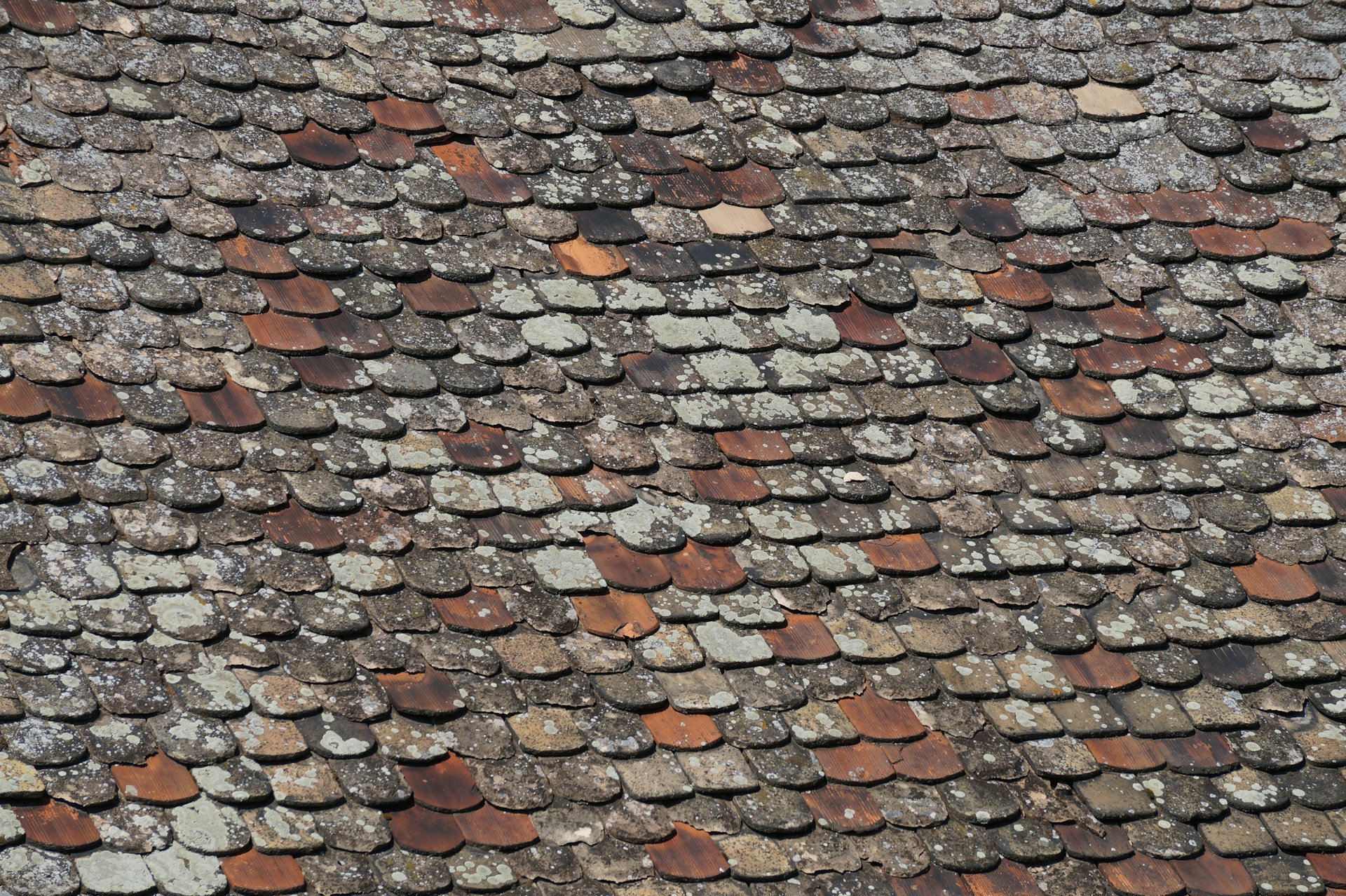
Natural slate weathers through slow mineral changes at the surface, developing the patina that gives reclaimed pieces their distinctive character.
High-grade slate from regions like Buckingham County, Virginia, or the Vermont/New York belt can deliver 75 to 125 years of slate roof service life depending on the geological origin and installation quality. Clay tile follows a similar trajectory. Properly fired barrel or flat tile resists freeze-thaw cycling for a century or more.
The key difference from standard roofing materials is that slate and clay do not degrade uniformly. One piece may soften and delaminate while its neighbors remain structurally sound. This is why maintenance must be piece-by-piece, not blanket replacement.
Why Patina, Weight, and Fastener Life Matter
Original patina on reclaimed slate is not cosmetic. It is a weathered surface layer that has already stabilized. Stripping it accelerates moisture absorption. Weight is another factor: slate tiles typically range from 700 to 1,500 pounds per square foot, depending on thickness (3/16" to 1/2" is common across standard and heavy grades).
Your framing and fastener loads are higher than with asphalt or synthetic products. Fastener life is almost always the weak link on an older slate roof.
Copper nails or stainless steel nails outlast the slate itself, but many historic installations used plain steel or cut iron nails that corrode well before the slate fails. Identifying fastener condition early is one of the most valuable things you can do during maintenance.
Natural Slate Versus Synthetic Alternatives in Service Life
Synthetic slate products are rated for 30 to 50 years under ideal conditions. Natural slate, especially high-grade reclaimed stock, routinely doubles or triples that range. The comparison matters because it shapes your maintenance investment. You are protecting a material with multi-generational durability, not patching something you plan to replace in 20 years.
- Natural reclaimed slate: 75 to 125+ years expected service life
- Synthetic slate (polymer/rubber composite): 30 to 50 years typical
- Architectural asphalt shingles: 20 to 30 years typical
- Standing seam metal: 40 to 60 years typical
That durability gap is exactly why the inspection and repair methods covered next are worth getting right.
Inspection Schedule and Early Warning Signs
A reclaimed slate roof should be visually inspected from ground level twice a year and walked by a qualified roofer at least once annually. Additional inspections are needed after any storm with sustained winds above 50 mph or hail larger than 3/4".
How Often to Inspect After Seasons and Storms
Spring and fall are the standard inspection windows. Spring checks catch winter damage from ice dams, freeze-thaw cycling, and snow load. Fall inspections confirm the roof is sealed before winter. Use binoculars from the ground first. Slate roofs can be damaged by foot traffic if a worker steps on a cracked or unsupported piece.
After a named storm event, check valleys, hips, and exposed ridges first. These areas take the most wind and water load. If you find displacement on more than two or three pieces, a hands-on inspection from the roof deck is warranted.
Cracked, Slipped, and Missing Pieces
Cracked slate is the most common visible failure. A hairline crack may not leak immediately, but water migrating behind the piece will rot underlayment and sheathing over time. Slipped slates, pieces that have dropped out of alignment due to fastener failure, expose the underlayment and compromise headlap.
Missing pieces are the most urgent. Even a single missing slate opens the roof to direct water entry. On a properly lapped roof with a standard 3-inch headlap, one missing piece can channel water onto the course below and into the building envelope.
Failing Flashings, Ridge Mortar, and Water Entry Points
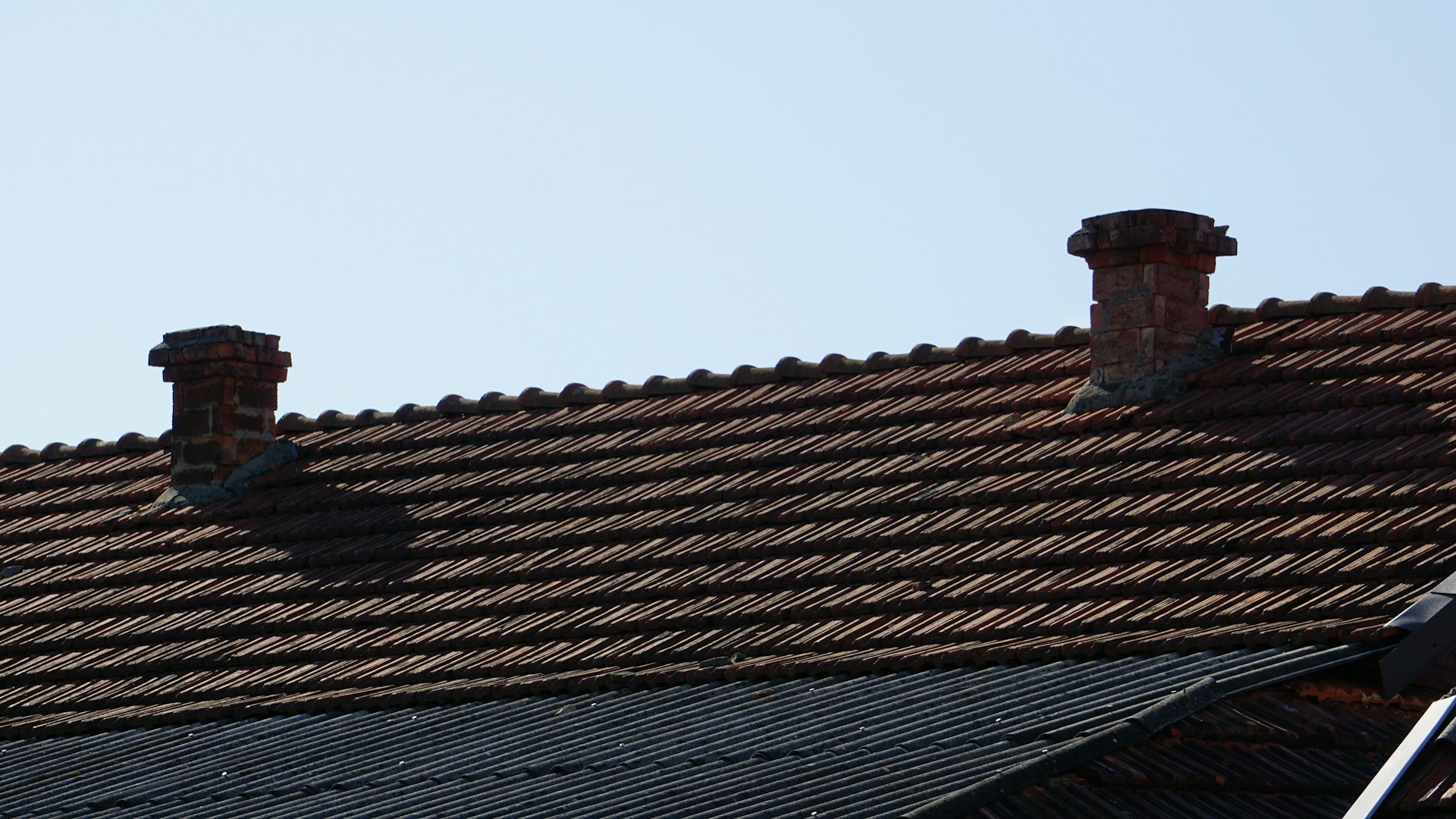
Flashings at valleys, chimneys, dormers, and sidewalls fail more often than the slate itself. Copper flashings are the standard for heritage work because they last as long as the slate. Galvanized steel and aluminum flashings corrode faster and should be flagged during every inspection.
Ridge mortar on bedded ridge installations can crack and separate, opening a direct path for wind-driven rain. Repointing with a compatible lime-based mortar is the correct repair.
Portland-heavy mortars are too rigid and will crack again quickly. Identifying these entry points early keeps small problems from becoming structural ones. This leads directly to how you clean the roof without making things worse.
Safe Cleaning Without Stripping Original Surface Character
The safest approach to cleaning a reclaimed slate roof is the gentlest one. Salvaged slate arrives with decades of natural surface weathering intact, and the goal of any roof cleaning method is to clear debris and biological growth without disturbing that stable surface.
What to Remove and What to Leave Alone
Remove leaf litter, branch debris, and any material that traps moisture against the slate surface. Moss and heavy lichen colonies should be removed because they hold water and accelerate fastener corrosion at the nail line. Light lichen that lies flat against the surface and does not trap moisture can generally be left alone.
Do not remove the natural patina or surface oxidation. On salvaged clay tile, the aged surface is part of the material's identity and its protective layer.
Why Pressure Washing and Harsh Chemicals Cause Damage
Pressure washing drives water under lapped courses and into nail holes. On slate between 3/16" and 3/8" thick, high-pressure spray can chip edges and accelerate delamination on already-weathered pieces.
Aggressive methods are consistently flagged as a source of unnecessary damage when cleaning historic roofs, which is why the gentlest effective approach is always the right one.
Chemical cleaners containing bleach, acid, or high-pH solvents strip the oxidized surface layer. Products marketed as moss killers can leave residues that stain or etch softer slate varieties. If you must use a chemical treatment, test it on a single piece in an inconspicuous area and wait 30 days before evaluating results.
Gutters, Drainage Paths, and Light Roof Cleaning Methods
Keep gutters, downspouts, and valley channels clear of debris at every inspection. Standing water at eave lines backs up under the lowest course and causes rot at the fascia and sheathing connection.
A soft-bristle broom or low-pressure garden hose (under 100 psi) is sufficient for clearing surface debris.
For moss removal, hand-scraping with a plastic putty knife followed by a diluted zinc sulfate solution is the least destructive method. Once debris and biological growth are controlled, the real maintenance value comes from repair work. This is where your tools and techniques matter most.
Repair Methods That Preserve Headlap and Weather Tightness
A single broken slate can be replaced in the field without disturbing the surrounding courses if you use the right technique and tools. The repair must maintain the original headlap, typically 3 inches on standard installations, to keep the roof watertight.
When a Single Slate Can Be Replaced
Individual slate replacement is appropriate when the surrounding pieces are sound, and the underlayment beneath is intact. If you see more than 20% of slates in a localized area showing cracks, delamination, or fastener failure, spot repairs are no longer cost-effective. A section re-lay should be evaluated.
For single-piece work, the replacement slate must match the original in thickness, width range, and exposure length. A piece that is too thick will sit proud of the course and create a water channel. A piece that is too thin will not seat properly against the headlap.
Fasteners, Hooks, and Compatible Metal Details
The standard method for securing a replacement slate is a copper or stainless steel slate hook (also called a bib or tab). The hook slides under the course above and holds the replacement piece in position without requiring a nail driven through the new slate.
- Copper hooks (20 oz copper): preferred for historic and restoration work
- Stainless steel hooks: acceptable where copper is unavailable
- Galvanized hooks: avoid on heritage roofs due to shorter corrosion life
- Face-nailing: last resort. Must be sealed with a compatible roofing sealant
When face-nailing is unavoidable, use copper or stainless nails and seal the head with an approved polyurethane or butyl-based sealant. Never use silicone caulk on slate. It does not bond to the surface reliably.
Specialty Tools Used in Slate Repair Work
A slate ripper is essential for removing a broken piece without damaging neighboring slates. The ripper slides flat under the damaged slate, hooks the nail shank, and allows you to cut or pull the fastener out cleanly.
A slate hammer with an integrated cutter lets you trim a replacement piece to width on the roof. Other field tools include a nail punch for setting copper nails flush, a flat pry bar for gently lifting adjacent courses, and a hook bender for forming copper tabs on site.
Having these on the truck means the difference between a clean 15-minute repair and a job that drags into callbacks. The next step after mastering the repair is knowing where to find the right replacement piece.
Sourcing Matching Replacement Pieces for Heritage Roofs
Getting a color, size, and thickness match on a replacement slate is the hardest part of maintaining a heritage roof. New quarry stock rarely matches the weathered tone of a 100-year-old roof. Random substitutions are visible from ground level.
Matching Size, Thickness, Color, and Weathering
Reclaimed slate for repairs should match the existing roof in four dimensions: length, width range, nominal thickness, and surface color. Common historic sizes include 20" x random, 18" x random, and 16" x random widths. Thickness typically falls between 3/16" and 3/8" for standard-grade pieces.
Color matching is the most difficult variable because slate darkens and shifts in hue over decades of UV exposure and mineral oxidation.
When you need authentic black reclaimed slate, specifying the quarry region of origin is the most reliable way to get a visual match. Buckingham County, Virginia, produces a deep, consistent black that differs from Pennsylvania or Vermont black varieties.
Using Period-Correct Roofing Materials in Restoration Work
For projects governed by the Secretary of the Interior's Standards for Rehabilitation, replacement materials must match the original in composition, design, color, and texture. This effectively eliminates synthetic and newly quarried alternatives for many historic properties.
Reclaimed Slate Roofing carries hand-inspected reclaimed slate sourced from verified historic demolitions.
Each piece is sounded and culled before it ships. For restoration contractors who need period-correct roofing materials, this direct-source model eliminates the search through general distributors who may not carry heritage-grade stock.
What to Confirm Before Ordering Replacement Inventory
Before placing a replacement order, confirm these details from your existing roof:
- Slate color and quarry region (if known)
- Length and width range of existing pieces
- Nominal thickness (measure at the butt edge)
- Exposure length (visible face below the overlap)
- Quantity needed plus a 10% to 15% breakage buffer
- Nail hole position (pre-punched or field-drilled)
Review batch photos before approving any shipment. Color variation between batches is normal with salvaged material. Confirming the match visually before the crate ships saves time and avoids job-site surprises. With replacement material secured, your long-term plan becomes about documentation and proactive care.
Keeping a Reclaimed Roof in Service for Generations
A single well-timed repair at $200 to $400 can prevent a $15,000 section replacement. The math is straightforward: early intervention is the cheapest maintenance strategy for any slate roof.
When Minor Repairs Prevent Major Replacement
One cracked slate left unaddressed for two winters can rot a 4-square-foot section of sheathing and underlayment beneath it. Replacing that sheathing means pulling and re-laying every slate in the affected area. The labor cost alone on steep-slope access typically runs $75 to $150 per hour for a qualified slate roofer.
Track every repair as it happens. A pattern of failures in one area, whether from fastener corrosion, ice damming, or flashing deterioration, tells you where the next problem will appear before it does.
What Owners and Contractors Should Document Over Time
Keep a roof maintenance log that records the date, location, type of repair, material used, and the contractor who performed the work. Photograph each repair area before and after. This record becomes invaluable when the roof changes hands or when an insurance claim requires proof of consistent upkeep.
On reclaimed materials and LEED projects, documenting the use of salvaged materials also supports Materials and Resources (MR) credit tracking under LEED operations and maintenance guidelines.
Checking Availability for Future Match Repairs
Reclaimed slate is a finite resource. The specific color, size, and thickness you need today may not be available in five years. If your roof uses an uncommon format or a rare color like mottled green or deep Buckingham Black, consider ordering a small surplus now and storing it on site for future repairs.
A reclaimed roof is a generational asset, and the cheapest way to protect it is to have the right replacement slate on hand before you need it.
Reclaimed Slate Roofing can match your existing pieces against current salvage and set aside surplus for future repairs. Call 225-954-8393 to check what is in stock, or browse current inventory at reclaimedslateroofing.com.
Frequently Asked Questions
How Do You Inspect Reclaimed Slate for Cracks, Delamination, and Soft Edges Before a Repair or Re-Roof?
Tap each piece with a knuckle or a small hammer. Sound slate produces a clear ring. A dull thud indicates internal cracks or delamination. Check butt edges for softness by pressing with a thumbnail. If the edge crumbles or flakes, the piece has weathered past its useful life and should be culled.
What Maintenance Schedule Keeps an Authentic Slate Roof Watertight Through Freeze-Thaw, Wind Uplift, and Heavy Rain?
Two ground-level inspections per year (spring and fall) plus one hands-on roof walk annually is the baseline. Add a post-storm check after any event with winds over 50 mph or hail over 3/4". Address cracked, slipped, or missing pieces within 30 days of identification.
What Is the Right Way to Replace a Broken Slate With a Salvaged Match Without Damaging Surrounding Courses?
Use a slate ripper to cut the fasteners holding the broken piece. Slide it out, and set the replacement on a copper or stainless steel hook fed under the course above. Do not pry adjacent slates aggressively, as this cracks edges and compounds the repair scope.
Which Cleaning Methods Are Safe on Heritage Slate, and When Do Ready-Made Moss Removers Cause More Harm Than Good?
Low-pressure water (under 100 psi) and soft-bristle brushing are safe. Ready-made moss removers can be effective on biological growth, but they should be tested on a single piece first. Any product containing bleach, acid, or high-pH solvents should be avoided entirely on historic slate.
What Are the Most Common Failure Points on Older Slate Roofs, and How Do You Diagnose Them?
Flashings, especially at valleys and chimneys, fail most often and before the slate does. Nail corrosion is the second most common failure. This causes slippage on otherwise sound pieces. Hips and ridges bedded in rigid Portland mortar crack and admit water. Check each of these areas during every scheduled inspection.
How Do You Budget Maintenance Costs for Reclaimed Slate, Including Slate Selection, Copper Flashing Work, and Labor for Steep-Slope Access?
Budget $300 to $600 annually for minor spot repairs and gutter maintenance on a standard residential slate roof. Copper flashing replacement at a chimney or sidewall typically runs $1,500 to $3,500 depending on complexity. Steep-slope access adds 25% to 50% to labor costs. Review pricing before ordering replacement material so material cost aligns with your project budget.