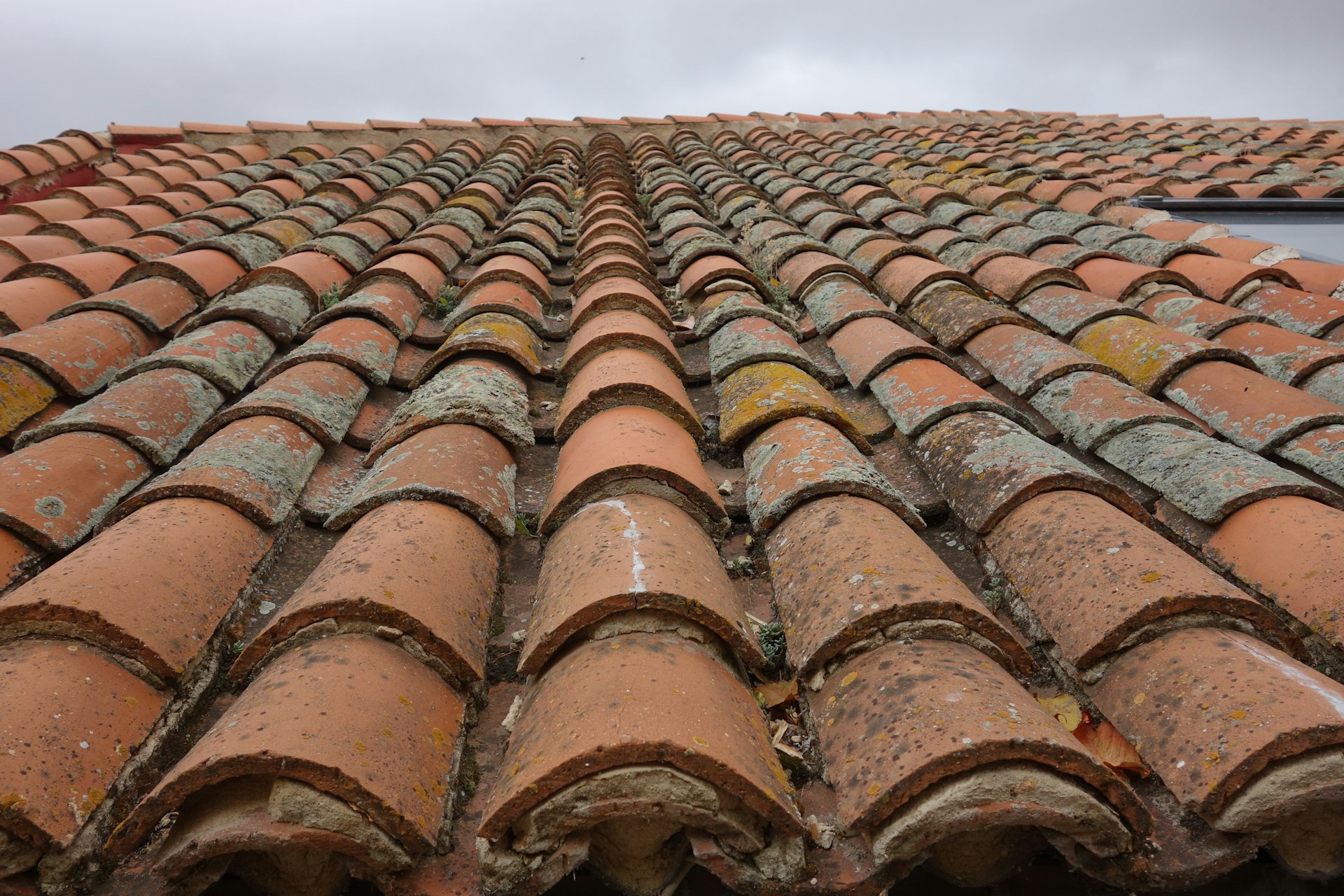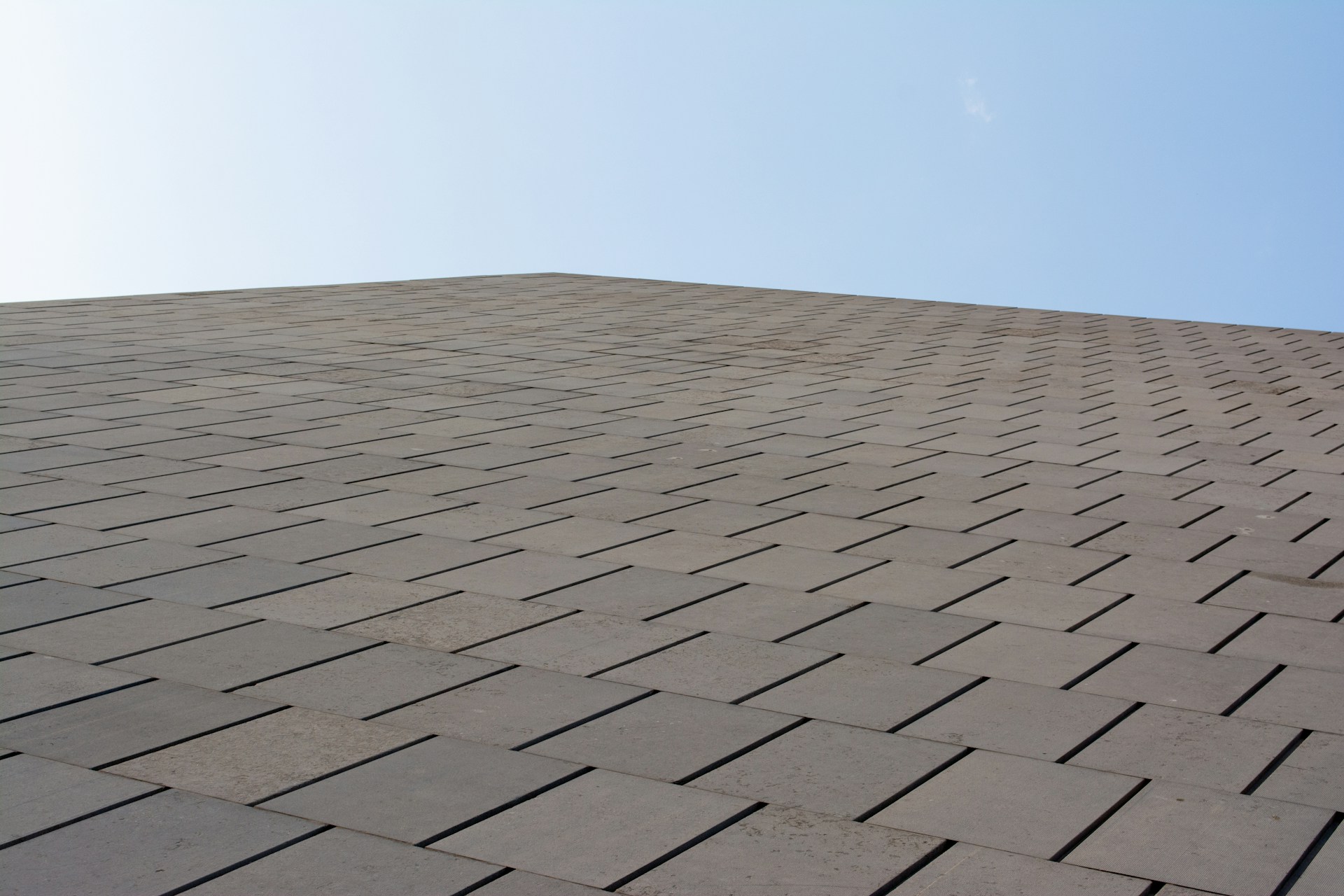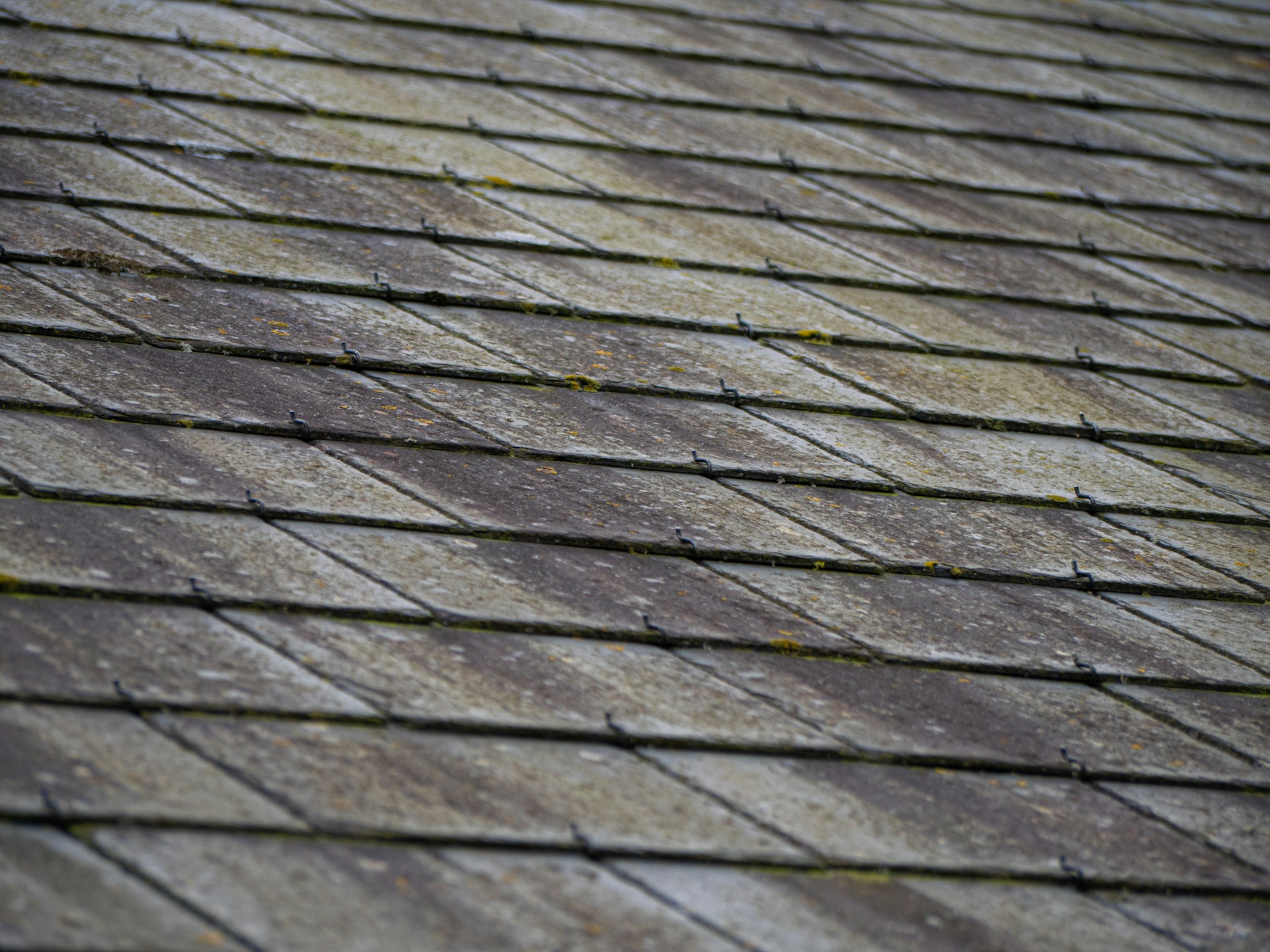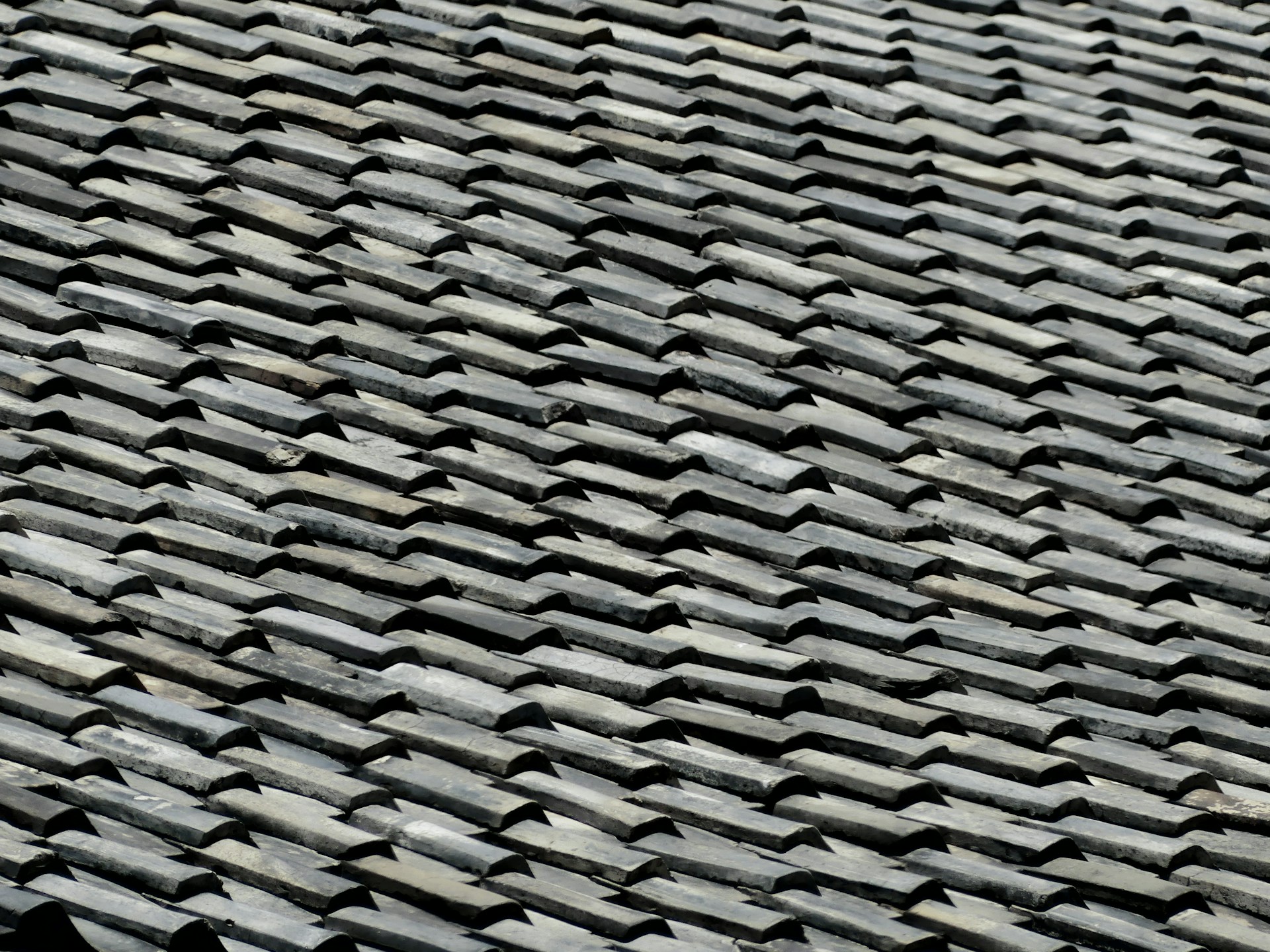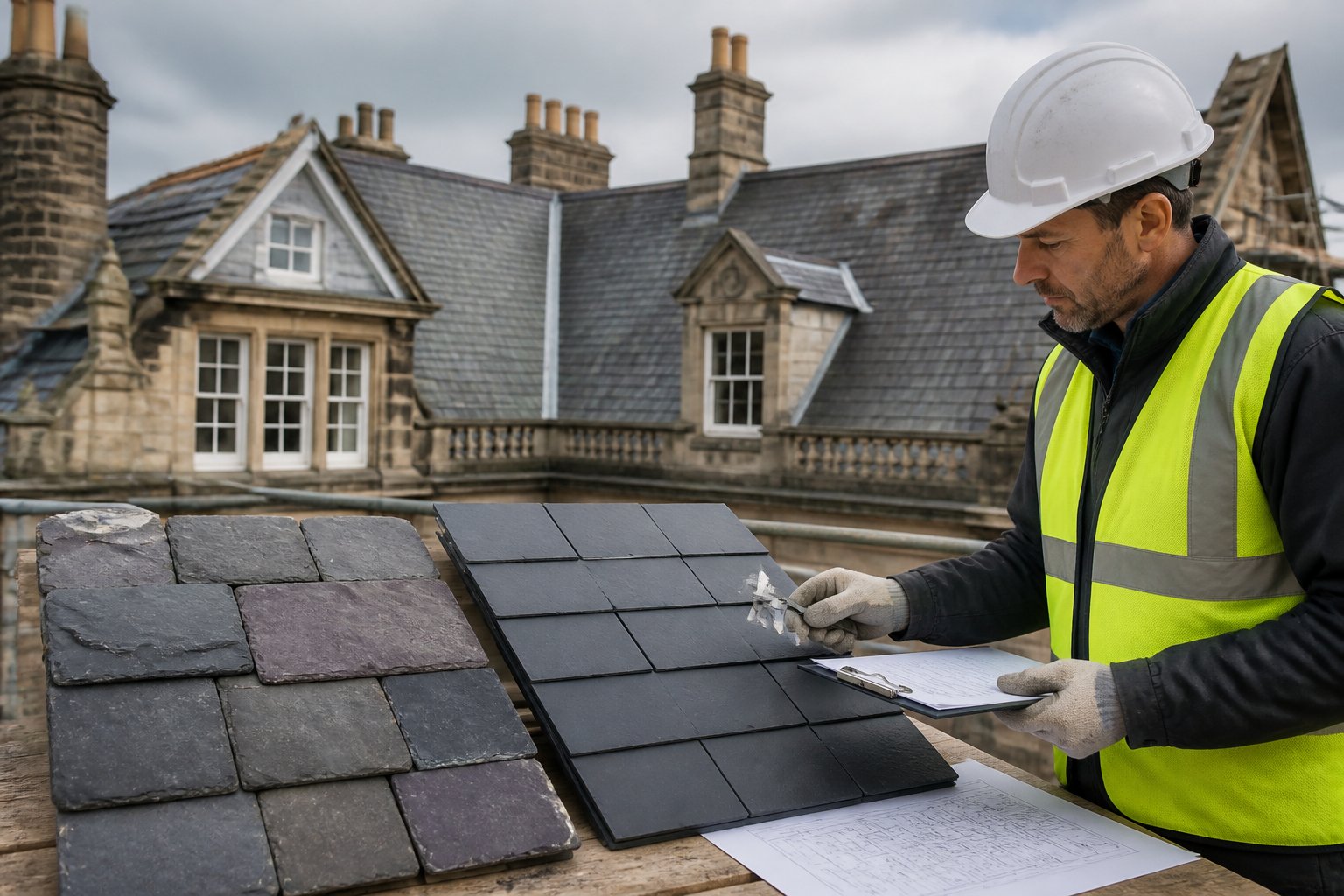
Three cracked slates come off a 1908 roof, and the owner wants a full replacement quote by Friday. They measure 18 inches long, run random widths, and carry a soft grey weathering no factory has ever matched. That single job puts the reclaimed slate vs synthetic slate question in front of you fast, and the material you pick will either read as part of the original roof or as an obvious substitute.
Reclaimed Slate Roofing works as a direct-source supplier for exactly this moment. Every piece is salvaged from verified historic demolitions, hand-sounded and culled before it ships, with rare formats and colors including Purple, Mottled Green, Buckingham Black, and Semi Weathering Green. Most orders leave within 2 to 5 business days. This matters when your crew is already booked.
The comparison ahead lays out how salvaged stone and composite slate differ in makeup, service life, fire and impact behavior, structural load, and true cost across decades. It is aimed at contractors pricing a heritage job and architects writing the spec sheet, not at browsers.
The Material Difference Behind the Finished Roof
One is a stone pulled from the earth and split by hand. The other is molded from polymer blends and pigment. That gap shows up on day one and again in year forty.
How Verified Salvaged Stone Differs From Engineered Polymers
Natural slate is a metamorphic stone, formed from shale under heat and pressure over millions of years. The National Park Service notes that slate has a water absorption index under 0.4%. This is why it shrugs off freeze damage.
Synthetic slate shingles are made from engineered polymers, mineral fillers, and often recycled plastics. They are stamped in molds taken from real slate, so the texture repeats across the roof. On a large plane, that repetition becomes visible.
Reclaimed slate carries no mold pattern at all. Each piece was split individually, then weathered on a roof for decades before it was salvaged.
Weathered Patina, Color Depth, and Natural Variation
Color in real slate comes from minerals in the stone. Carbon produces black; hematite gives red and purple; chlorite creates the green tones. Pigment in composite slate sits on or near the surface and can fade under ultraviolet light.
Patina is the part nobody can manufacture. Decades of rain, sun, and frost create surface tone shifts that vary piece to piece across a single pallet.
Why Reclaimed Slate vs Synthetic Slate Matters in Heritage Specifications
Preservation reviewers look at texture, edge profile, thickness, and how light moves across the roof. A synthetic slate roofing product reads as uniform because it is uniform. Reclaimed stone reads as original because it is. That distinction sets up the next question every spec sheet has to answer: how long the material will actually last.
Durability, Fire Performance, and Service Life
Slate roofs on churches and courthouses across Pennsylvania and Vermont are still watertight after a century. That track record is measured, not marketed.
What Hand-Inspected Reclaimed Slate Can Deliver Over Decades
Properly installed natural slate roofing lasts 60 to 125 years, and a stone slate roof lifespan can reach a century or more with maintenance. Some hard slates have passed 200. Reclaimed slate arrives partway through that curve with plenty of service left, provided it was culled correctly.
Hand inspection is what separates usable salvage from scrap. Each slate gets sounded, a tap test that reveals hidden delamination by the tone it returns.
Synthetic slate warranties typically run 30 to 50 years. Those are prorated. Real-world reports of curling, fading, and brittleness at 15 to 25 years are common in hot climates.
Hard Slate, Freeze-Thaw Exposure, and Repairability
Hard slate from quarries in Vermont, New York, and Virginia resists freeze-thaw cycling because water barely enters the stone. Softer slates absorb more and shed layers sooner.
Repairability is the practical advantage. A slate specialist can pull one broken piece and slip a replacement in with a hook or copper nail. No tear-off required. Composite panels often interlock, so one break can mean opening a wider section.
Fire Ratings, Impact Resistance, and Storm Exposure
- Class A fire rating: Natural slate is noncombustible stone and does not contribute fuel to a fire
- Class 4 impact rating: Available in both categories. Thicker natural slate absorbs hail without shattering the whole unit
- Wind resistance: Slate weight plus correct fastening holds well in high wind when copper nails and adequate headlap are used
- Storm resistance: Individual slate replacement after a storm is far simpler than sourcing a discontinued synthetic profile
Performance is only half the argument in a heritage job. Appearance carries equal weight.
Historical Accuracy and Architectural Integrity
Historic district boards judge a roof by whether it looks like it belongs. Getting that right starts with measurement, not preference.
Matching Existing Roof Color, Size, Thickness, and Exposure
Pull five slates off the existing roof before ordering anything. Record length, width range, thickness at the butt, and headlap. Then note the exposure. Changing it shifts every course line on the elevation.
Thickness is the detail most often missed. A 3/16 inch reclaimed slate next to a 1/4 inch original creates a shadow line the eye catches immediately. Practical historic slate tile matching guidance walks through the full measurement process.
When Historic Districts Require Authentic Roofing Materials
Many local commissions require replacement in kind for contributing structures. The National Park Service specifically does not recommend artificial slate for restoration work. They cite its rigid, man-made appearance and tendency to fade.
Federal rehabilitation tax credit projects apply the same standard. Substituting composite on a visible slope can put approval at risk.
Rare Reclaimed Colors and Formats for Restoration Work
Matching often depends on finding a color that is no longer quarried at scale. Available inventory includes:
- Purple and Mottled Green with Purple for Victorian and Queen Anne polychrome patterns
- Buckingham Black from Virginia, dense and long-lived
- Semi Weathering Green, which shifts tone gradually across the roof plane
- Grey and black reclaimed slate in 20-inch, 18-inch, and 16-inch by random widths
Once the look is settled, the structure underneath has to carry it, and slate asks more of the framing than any composite does.
Weight, Roof Framing, and Installation Requirements
Slate runs roughly 700 to 1,000 pounds per square foot, depending on thickness. Synthetic runs closer to 250. That difference drives real engineering decisions.
Assessing Roof Framing Before Specifying Reclaimed Stone
If the building already carried slate, the framing was designed for it. Check rafters, sheathing, and any sag before assuming it still performs. Old boards that held nails for a century may be soft at the fastener line.
For a new build going to slate, get the load into the structural drawings early. Retrofitting framing after the fact costs far more than sizing it right the first time.
When Structural Reinforcement Is Necessary
Reinforcement is usually needed when a house was reroofed in asphalt decades ago, and the deck was never rated for stone. Sistering rafters or replacing skip sheathing with solid decking are the common fixes.
A structural engineer's sign-off protects you and the owner. It also settles the weight objection before it becomes a mid-project argument.
Fasteners, Flashing, and Qualified Slate Installation
- Copper nails, not galvanized, since the fastener must outlast the stone
- Copper flashing at valleys, chimneys, and sidewalls
- Proper headlap sized to roof pitch
- Installers experienced with slate roof installation, including hook and slate ripper repair methods
Get the crew and details right,t and the material lasts. That longevity is where the cost math turns.
Upfront Pricing, Lifecycle Cost, and Long-Term Value
Sticker price favors synthetic. The cost per year of service does not. That is the number that decides high-end jobs.
Comparing Reclaimed Slate Cost With Synthetic Slate Cost
Synthetic slate material typically lands well below natural slate per square. But labor, tear-off, flashing, and underlayment are nearly identical for both. Preservation guidance points out that the total installed cost of artificial slate ends up only marginally lower.
Reclaimed slate often prices below newly quarried stone because the material is salvaged, not cut. Builder-direct sourcing removes the retail markup. Current numbers are covered in this reclaimed slate price guide.
Maintenance, Repair, Access, and Replacement Cycles
Slate maintenance is mostly flashing work and occasional individual slate replacement. Salvage inventory means a matching piece stays available decades later. Synthetic profiles get discontinued. Ten years on, a matching replacement may simply not exist. This turns a small repair into a slope-wide replacement.
Sustainability and Return on Investment Over the Roof Lifecycle
Reclaimed slate carries zero new manufacturing energy. The quarrying and shaping already happened. Reuse keeps stone out of landfills and cuts demand for new extraction. More detail sits in this overview of eco-friendly reclaimed roofing benefits.
Over a century, one slate roof replaces three or four synthetic installations. That arithmetic shapes which material belongs on which project.
Specify the Right Material for the Project
Not every roof needs stone. Restoration work and luxury residential builds usually do. The reasons are concrete.
When Reclaimed Slate Is the Stronger Choice for Restoration and High-End Builds
Choose reclaimed slate when the roof is visible, when a district board reviews the work, or when the building's value rests on authenticity. Historic homes and luxury homes both fall into that category.
Synthetic makes more sense on low-visibility outbuildings or where framing genuinely cannot be reinforced. For everything else, the sourcing work comes down to matching real inventory to the roof in front of you.
Reviewing Batch Photos, Fit, and Color Before Approval
Ask for batch photos of the actual pallet before confirming. Compare them against your sample slates in daylight, not under shop lights. Confirm length, width range, thickness, and hole punch position. Reclaimed slate is sold as final sale. Approval at this stage protects everyone.
Checking Availability and Coordinating Job-Site Delivery
Rare colors move in limited quantities, so check stock before the spec is locked. Orders ship crated and palletized with liftgate service on request. Typical turnaround runs 2 to 5 business days after confirmation. Tracking is sent before the truck rolls.
Frequently Asked Questions
How Do Reclaimed Slate Tiles Compare With Synthetic Slate in Appearance, Texture, and Roof Character?
Reclaimed slate shows natural cleft texture and decades of real patina, with no two pieces alike. Synthetic slate is mold-stamped, so the same surface pattern repeats across the roof. On a large visible slope, that repetition is noticeable from the ground.
Which Option Has the Longer Service Life in a High-End Residential Roofing Application?
Natural slate installed correctly lasts 60 to 125 years and sometimes far longer. Synthetic slate warranties generally run 30 to 50 years and are prorated. One slate roof typically outlives three synthetic installations.
What Are the Installed Material and Labor Costs for Reclaimed Slate Versus Synthetic Slate Roofing?
Synthetic material costs less per square, but labor, tear-off, underlayment, and flashing are nearly the same for both. Reclaimed slate often prices below newly quarried stone because it is salvaged. The installed gap is smaller than the material gap suggests.
How Do the Weight and Structural Requirements Differ Between Authentic Salvaged Slate and Synthetic Tiles?
Slate runs roughly 700 to 1,000 pounds per square. Synthetic runs near 250. Buildings that already carry slate are usually framed for it. Homes previously roofed in asphalt may need rafter sistering or solid decking.
What Maintenance Issues and Failure Risks Should Contractors Expect With Synthetic Slate Roofs?
Common issues include ultraviolet fading, curling, brittleness, and thermal movement at fasteners. The larger risk is discontinued profiles, since a matching replacement may not exist in ten years. That can force a full slope replacement over one broken tile.
Can Reclaimed Slate Meet the Performance and Aesthetic Requirements of a Historic Restoration Project?
Yes, when it is hand-sounded, culled, and matched to the original size, thickness, and color. Preservation guidance favors replacement in kind and advises against artificial slate in restoration work. Matching salvaged stone satisfies both the review board and the roof.
Authenticity Is the Spec on a Heritage Roof
The decision comes down to what the roof has to do and how long it has to do it. On a historic restoration or a high-end build where authenticity is the point, salvaged stone carries character, service life, and repairability that molded composite cannot reproduce.
Start with measurements from the existing roof, confirm the framing, then match color and format against real inventory. Rare colors like Purple, Mottled Green, Buckingham Black, and Semi Weathering Green move in limited runs. Checking stock early keeps your schedule intact.
Call Reclaimed Slate Roofing at 225-954-8393 to confirm what is in stock and get real pricing before you lock the spec. You can also browse current salvaged inventory at reclaimedslateroofing.com. Most orders ship within 2 to 5 business days on palletized freight.