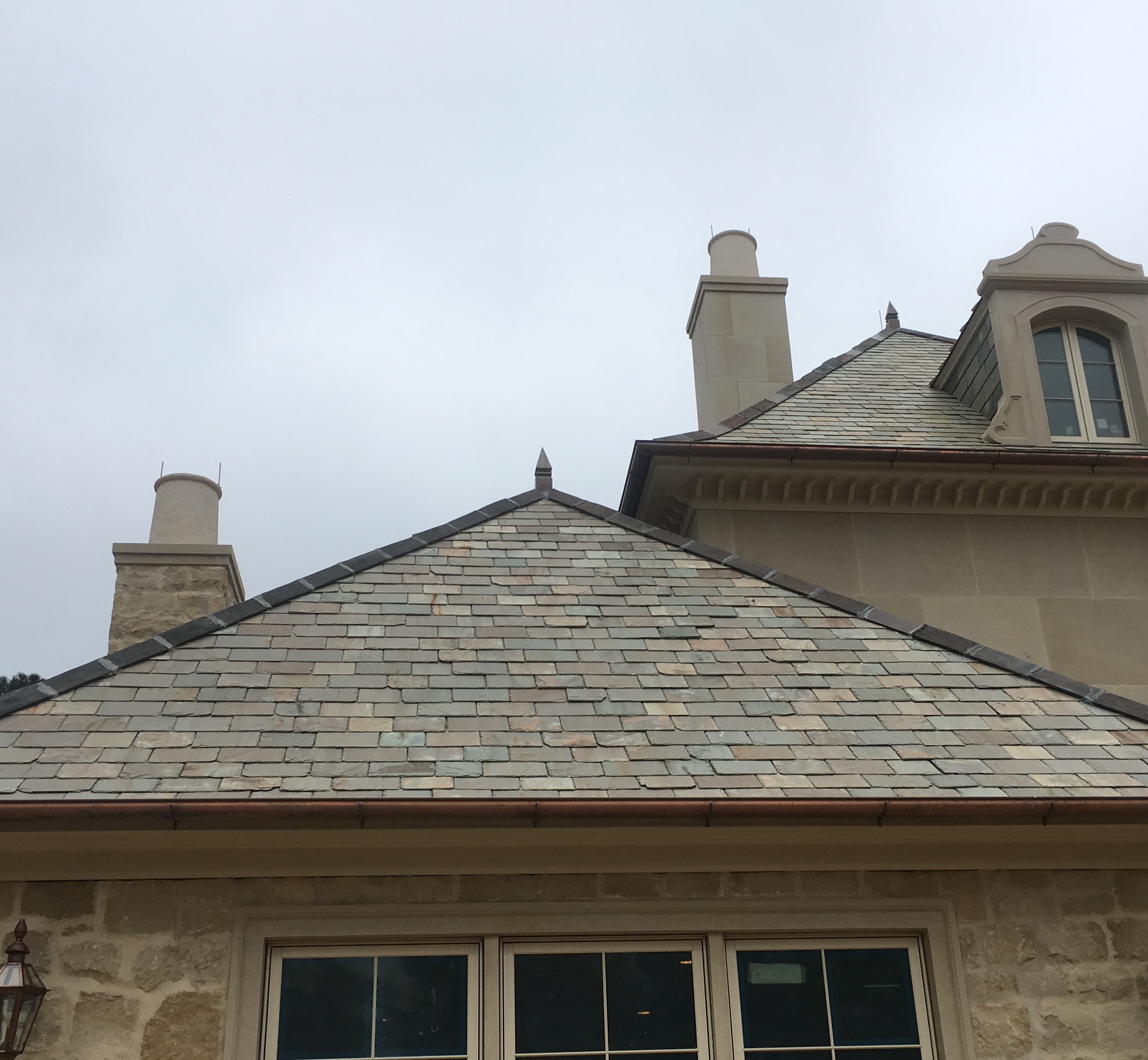
Steep-slope roofs require materials that shed water efficiently, resist wind uplift, and maintain long-term performance. Reclaimed slate and antique clay tiles meet these demands with proven durability and authentic character. Their density and weather-tested performance make them well suited for steep pitches where consistency and reliability matter.
This article outlines which reclaimed materials perform best on steep-slope roofs, how to match sizes and grades, and what to expect during installation and maintenance. It also covers practical considerations for sourcing and planning so projects stay efficient and predictable.
Reclaimed Slate Roofing supplies reclaimed slate and clay tiles that are inspected, cleaned, and sorted for reuse. Materials are prepared for consistent installation and shipped directly to jobsites, helping contractors and architects secure reliable roofing suited for steep-slope applications.
Reclaimed Roofing for Steep-Slope Designs
Reclaimed roofing gives you weather-tested materials with real character and long service life. You’ll find historic slate and clay that can match period details and still perform up to modern standards.
Reclaimed roofing materials are original slates, clay tiles, and specialty pieces salvaged from older buildings. Each piece has survived decades of weathering, then gets cleaned, graded, and repaired before reuse.
You’ll usually get items sorted by size, color, and condition. Sellers check for cracks, workability, and soundness so installers can set tiles with confidence.
Reclaimed Slate Roofing supplies authentic, reclaimed slate that’s vetted and ready for installation, helping you keep visual accuracy on restorations and high-end new builds.
Benefits of Reclaimed Roofing
Reclaimed materials keep the look and texture of historic roofs, making it easier to match an existing roof or create a period look. The natural aging gives a finish you just can’t fake with new synthetic products.
These materials last when chosen well. Slate and fired clay handle freeze-thaw cycles, UV, and wind—as long as they’re undamaged. You cut down on waste and embodied carbon compared to new quarried or manufactured tiles.
Cost can be lower for rare colors or shapes since you skip custom manufacturing. You might pay more for handling and grading, but you’re getting materials that have already proven themselves on real roofs.
Challenges Unique to Steep-Slope Roofs
Steep slopes make installation and handling riskier. You’ll need carriers and rigging that protect fragile reclaimed pieces during lift and set. One wrong move can crack historic slates or tiles, so quality control on-site really matters.
Flashing and underlayment get even more important on steep slopes. Water sheds faster, but wind-driven rain and ice dams are still a thing. Pair reclaimed tiles with modern underlayments, drip edges, and well-sized flashings to keep leaks at bay.
Weight and structural load deserve a close look. Historic slates are heavy; make sure rafters and decking can handle the dead load. If not, upgrade the framing or use lighter reclaimed pieces for accents instead of full coverage.
Popular Reclaimed Roofing Materials
These reclaimed options offer long life, authentic character, and a lighter environmental impact. Expect heavy, durable pieces that need proper flashing and skilled installers for steep slopes.
Reclaimed Clay and Concrete Tiles
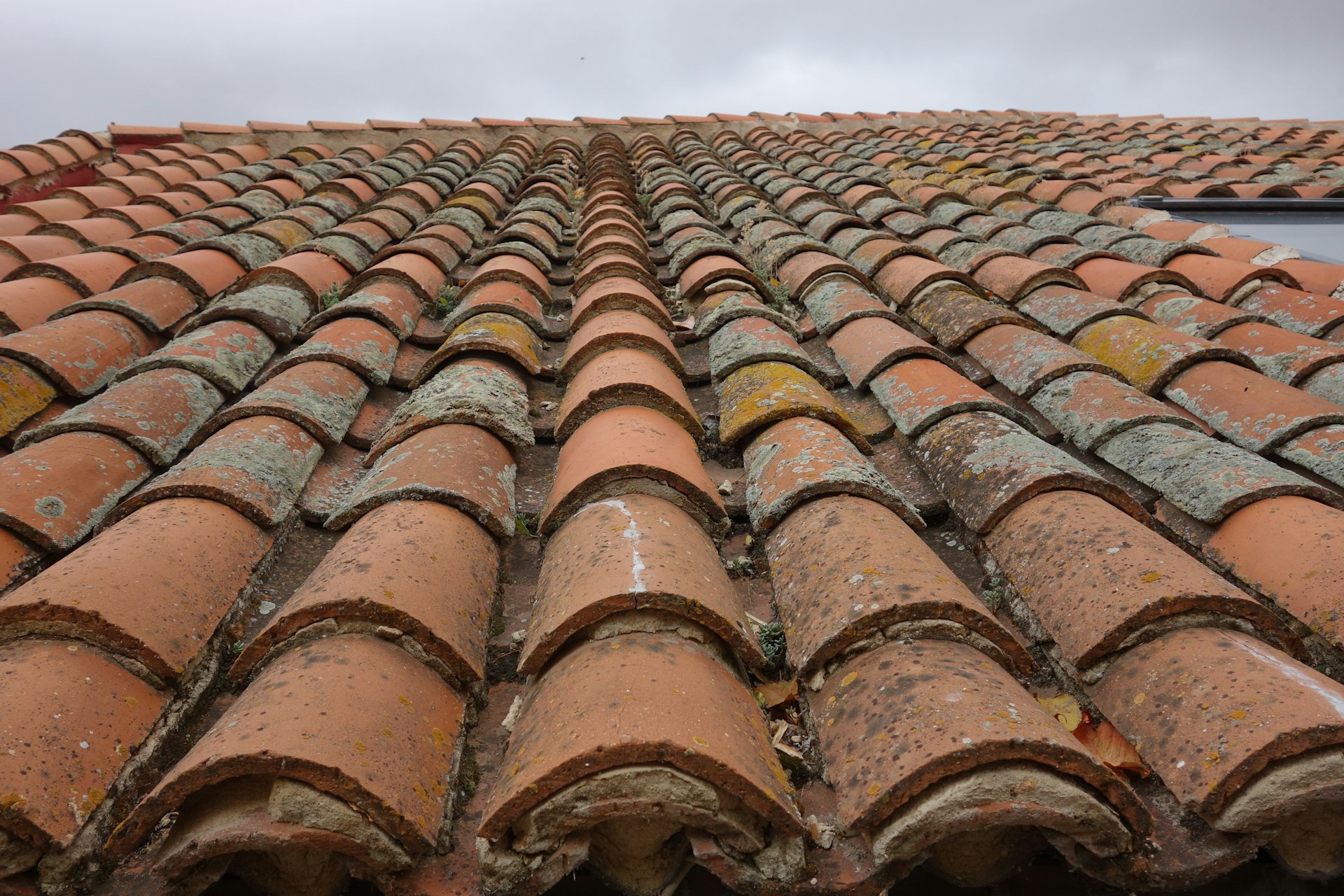
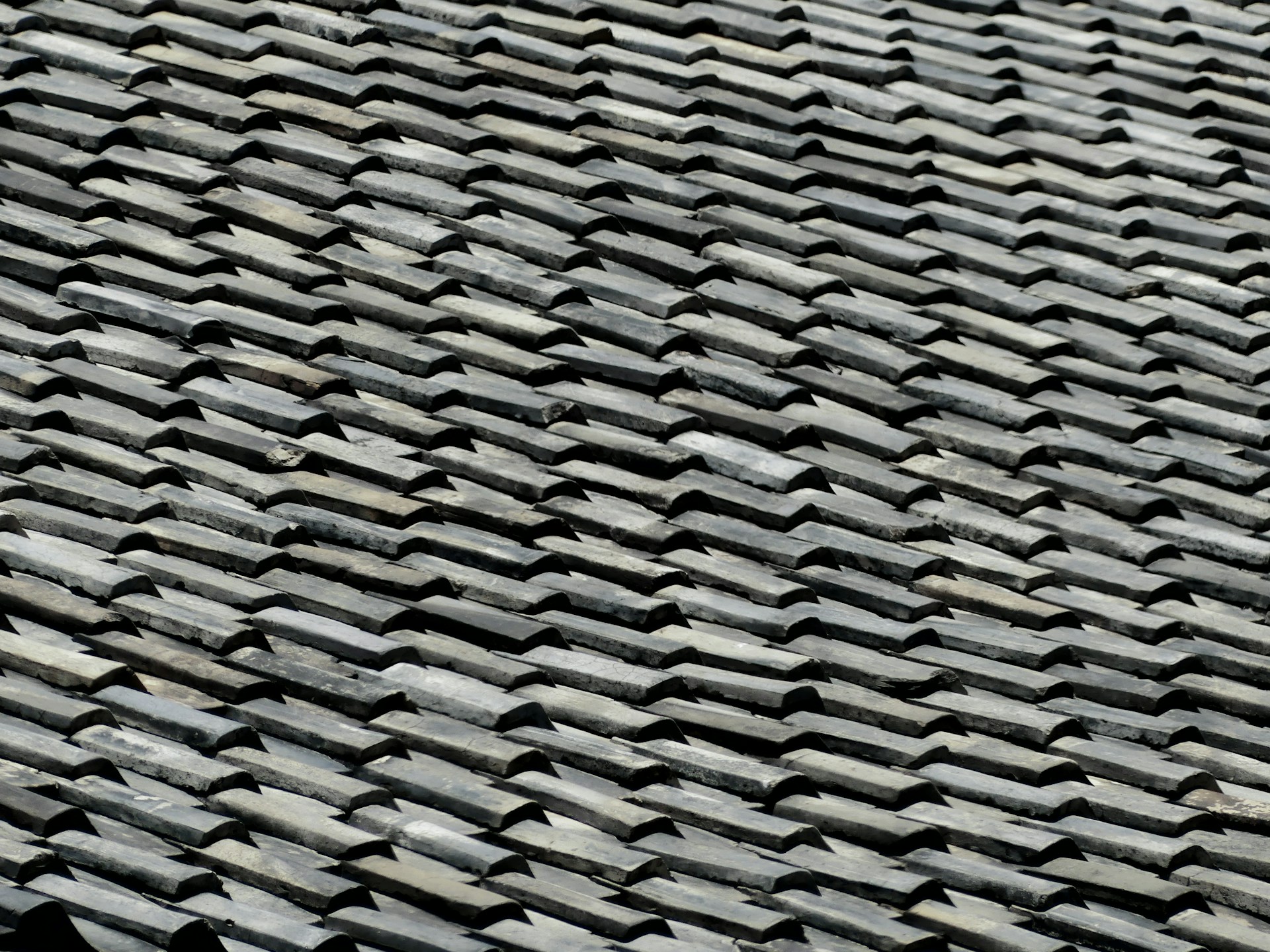
Reclaimed clay tiles keep their original fired clay texture and color. You’ll get curved mission or flat pantiles that match historic profiles and fit steep pitches nicely.
Clay tiles are heavy—plan for roof framing that can handle 10–13 psf or more. Fastening takes clips or 2-3 nails per tile, plus attention to valley and ridge details to avoid leaks.
Concrete tiles salvaged from old roofs offer similar shapes and color blends. They’re cheaper than new custom tile but still need inspection for hairline cracks and replaced battens.
Both tile types age with a natural patina that blends well with slate or metal accents. Use reclaimed tiles when authenticity and visual continuity are priorities.
Reclaimed Slate Shingles
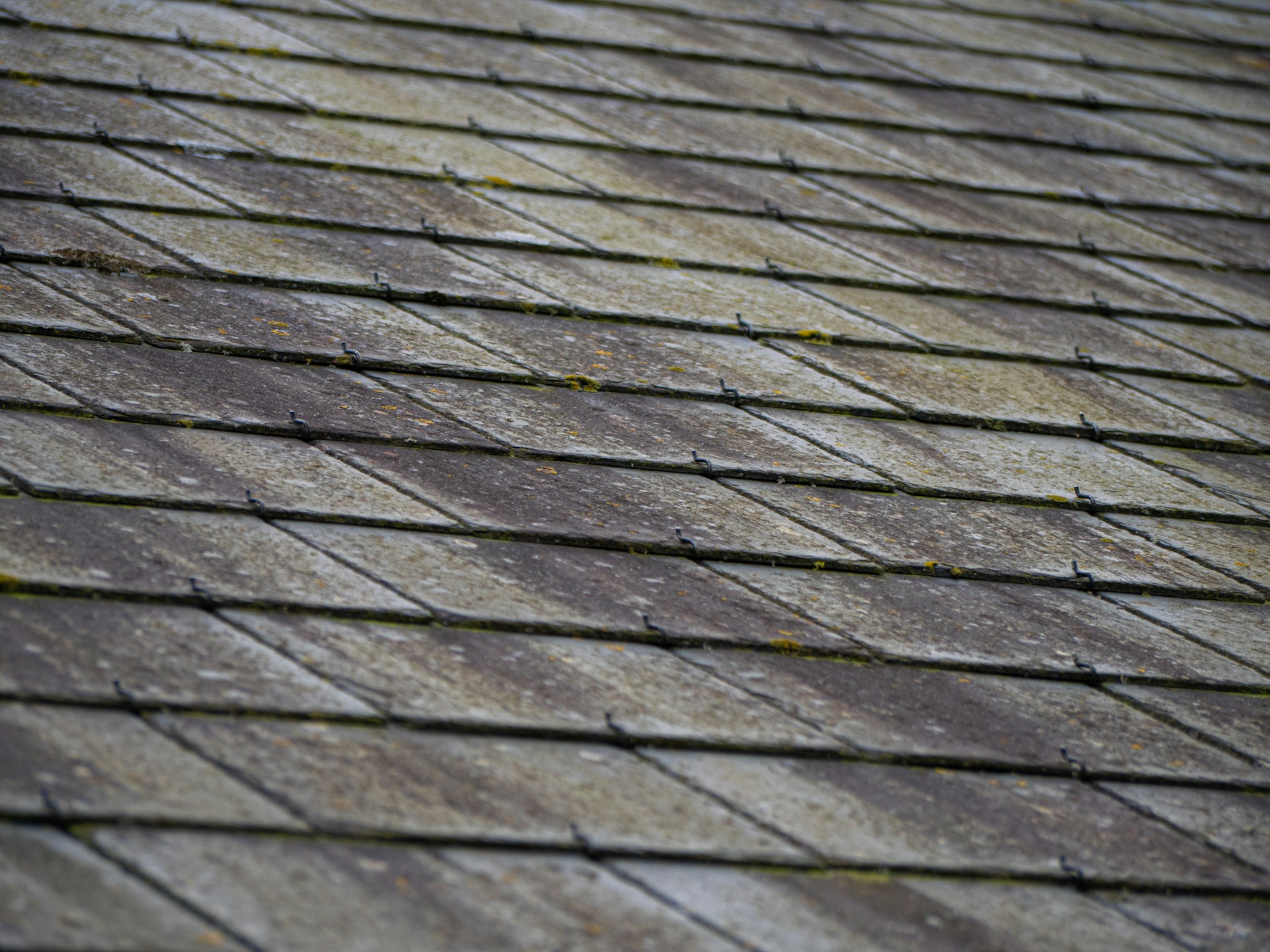
Reclaimed slate delivers real stone with proven longevity—often 75–150 years of life left if properly vetted. Pick sizes and thicknesses to fit your roof; thicker slate lasts longer and resists breakage on steep slopes.
Weight’s a factor: typical reclaimed slate adds 8–12 psf. Installers use copper or stainless steel nails and solid underlayment to protect valleys and ridges.
Inspect each piece for delamination and freeze-thaw damage. Grading and sorting before installation cuts waste and speeds up the work. Reclaimed Slate Roofing ships out inspected batches when you need authentic slate for a steep roof.
Reclaimed Wood Shakes and Shingles
Reclaimed wood shakes and shingles bring a rustic vibe and good breathability on steep slopes. Well-vetted older shakes from cedar or redwood usually have tighter grain and better rot resistance than newer stock.
Install them with proper spacing and solid underlayment to avoid water issues. Fasten with hot-dipped galvanized or stainless nails. Steeper pitches shed water fast, which helps reduce fungal risk, but chimneys and dormers need careful flashing.
Expect some size variation and end checking; match pieces during layout to keep courses tight. Reclaimed wood fits historic cottages and accent roofs where texture and tone matter.
Reclaimed Metal Roofing
Reclaimed metal panels and standing seam pieces—think copper, lead-coated copper, terne, and zinc—age into unique patinas. They work well on steep slopes and are easy to flash around penetrations.
Metal’s lighter than stone or tile, so structural demands are lower. Check each panel for old solder joints, fastener wear, and crease damage. Restore or recoat panels as needed to stretch their life.
Fastening methods depend on the metal; use compatible clips and stainless hardware. Reclaimed metal often fits tight ridges or complex dormers where custom fabrications would otherwise get pricey. If you’re ordering rare metal runs, mention your supplier—Reclaimed Slate Roofing—to get matched batches and fast delivery.
Selection Criteria for Steep-Slope Reclaimed Roofing
Choose reclaimed materials that fit the roof’s slope, climate, and structure. Focus on sound pieces, correct sizing, strong weather resistance, and code compliance to avoid headaches and leaks.
Assessing Material Condition
Check each slate or tile for cracks, delamination, and edge wear. Look for a clean bedding surface and intact nail holes; damaged pieces don’t last on steep slopes. Sort into grades: A (installation-ready), B (repairable), and C (cosmetic or flashing use).
Check thickness and size for consistency. Thin or irregular pieces can shift on steep pitches and leave gaps. Measure a sample batch before ordering for the whole roof.
Ask for documentation on provenance and prior service life. Reclaimed pieces from long-lived historic roofs usually perform better than unknown stock. If you’re buying from Reclaimed Slate Roofing, look over their inspection and grading notes.
Compatibility with Roof Pitch
Match material type and exposure to your roof’s slope. Slate and clay tiles need certain minimum pitches to shed water—usually 4:12 or steeper for many slates. Check manufacturer or supplier guidance for your chosen reclaimed variety.
Adjust overlap and exposure for steep slopes; use tighter exposure on higher pitches to fight wind uplift and ice backflow. Think about starter courses, headlaps, and fastener length so pieces stay flat and resist sliding.
Plan flashing details where roof planes meet. Steeper roofs send more water to valleys, chimneys, and eaves. Use reclaimed pieces only where they can be installed using tried-and-true steep-slope methods.
Weather Resistance
Look for freeze-thaw durability and low porosity. Natural slate with low water absorption resists frost cracking better than softer, porous tiles. Ask for tests or supplier notes on water absorption and climate history.
Check wind uplift and hail resistance. Choose thicker, denser pieces and secure them with corrosion-resistant fasteners. On exposed sites, add more fasteners and use mechanical clips if needed.
Make sure your reclaimed materials work with modern underlayment and ice-and-water shields. Good underlayment helps cover small defects in reclaimed pieces and adds protection against driving rain on steep slopes.
Local Building Codes and Regulations
Check slope-specific code requirements for materials and attachments. Some places set minimum pitch, fire rating, or fastener types for historic or reclaimed roofing. Get the local code section early so you know what’s allowed.
Find out about permit and inspection needs. Reclaimed roofing might need proof of origin, testing, or engineer sign-off in certain areas. Keep supplier inspection records and grading sheets handy for plan review.
If you’re working on a historic property, check preservation rules. Landmark commissions may require original materials or approved substitutes. Use certified reclaimed materials and written provenance to help with approvals.
Installation Considerations
You’ll need to confirm roof framing, fastening, and underlayment that fit the weight and profile of reclaimed materials. Pay attention to load limits, nail type and placement, and breathable underlayment to protect both old stone and timber.
Structural Support Requirements
Reclaimed slate and clay tile weigh a lot more than asphalt. Figure out live and dead loads; typical reclaimed slate runs 800–1,500 lb per square (100 sq ft). Check your rafters, attic floor, and truss ratings before ordering.
If framing’s undersized, plan to reinforce with sistered rafters, collar ties, or added purlins. Use blocking at eaves and valleys to prevent sagging that could crack tiles. Check local code for snow loads and wind uplift; high-slope roofs often have stricter tie-down rules.
Inspect the sheathing for rot or delamination. Replace any boards that move or flex. Use structural-rated plywood or OSB sized to handle heavy tiles and lots of fasteners.
Proper Fastening Techniques
Use corrosion-resistant copper, stainless, or hot-dipped galvanized nails sized for the material. For slate, 7–10d copper or stainless nails are typical; thicker tiles may need two nails per piece, set above the headlap. Follow the tile maker or reclamation yard’s nail length recommendations—nails should go at least 1 inch into framing.
Space nails and shingles so headlaps and butt joints stay stable in wind. Don’t overdrive nails into slate—set them flush so you don’t split the stone. In valleys, hips, and ridges, use extra clips, copper hooks, or screws if code allows.
When matching reclaimed tiles, test a small area to check nail pull-through and adjust fastener size. Only leave fasteners exposed if the material and code allow; otherwise, use concealed fastening to cut down on water entry and corrosion.
Underlayment Needs
Pick underlayment rated for steep slopes and compatible with historic materials. Use a high-temp, vapor-permeable synthetic underlayment or felt with a slate-specific membrane for extra ice and water protection at eaves and valleys.
Install underlayment with proper overlaps—at least 4 inches at seams and 6–12 inches at eaves, depending on exposure. Secure with stainless or polymer-capped nails to avoid rust and leaks.
Add a breathable layer when reusing reclaimed tiles over old sheathing to prevent trapped moisture. Lay down a secondary, waterproof strip at eaves, valleys, and rakes. Mark underlayment layers on-site so roofers know which side faces up and which breathes.
Aesthetic and Environmental Advantages
Reclaimed roofing brings unique looks and real environmental benefits. You get weathered color, historic texture, and lower waste all at once.
Unique Visual Appeal
Reclaimed slate and clay tiles show natural aging you just can’t buy new. You’ll see varied tones, subtle surface wear, and irregular edges that feel authentic on steep roofs.
These qualities create depth and shadow on steep slopes, making rooflines pop from the street and up close.
You can match specific eras or styles by picking slate thickness, grain, and color mixes. That helps preserve architectural intent on old houses and gives new builds a crafted, high-end look.
If you want consistency, request graded lots so your roof keeps a balanced appearance while still showing genuine variation.
Sustainability Benefits
Using reclaimed materials keeps waste out of landfills and eases the demand for new quarrying or kilning. Most of the processing just means cleaning and grading, so you’re not dealing with the high energy use of manufacturing from scratch.
These tiles have already proven they can last for decades—sometimes a century or more—so you’re not just saving resources, you’re making a smart investment.
A lot of reclaimed slates came off roofs that survived 75–150 years. That kind of track record is hard to argue with. Just make sure to ask suppliers about how they inspect and vet their materials so you get what you’re paying for in terms of durability and warranty.
Historic Restoration for Steep Roofs
Steep historic roofs need exact matches for both looks and, sometimes, code. Reclaimed pieces let you match original profiles, nail holes, and coursing—no need for fakes or “close enough” substitutes.
That kind of accuracy keeps the historic vibe intact and can make life easier with preservation boards or local authorities.
Plan for some sorting, cutting, and spot replacement. Skilled roofers can blend reclaimed tiles with new flashings, underlayment, and fasteners to hit today’s performance standards.
Reclaimed Slate Roofing ships out job-ready, graded tiles, so you can finish up faster and keep the right look.
Maintenance and Longevity of Reclaimed Roofing
Keep your roof in shape with regular checks, timely repairs, and careful handling. Spot loose slates or tiles quickly, make sure flashings are right, and keep moisture under control to stretch out the roof’s life.
Routine Inspections for Steep-Slope Roofs
Get up there (or as close as you safely can) twice a year and after big storms. Walk the eaves, or use binoculars from the ground if climbing’s not an option.
Watch for slipped, cracked, or missing slates, busted fasteners, or trouble around valleys, chimneys, and roof penetrations. Mortar joints and ridge caps are worth a close look for wear too.
Clear out gutters and valleys so water doesn’t back up. Trim branches that hang over the roof to cut down on damage and moss. Take photos and jot down dates—tracking problems helps spot patterns.
Repair and Replacement Strategies
Tackle repairs that keep water out first. Swap individual slates or tiles instead of re-roofing if the deck and underlayment are still solid.
Match new pieces to the old ones—thickness, size, bird-mouth cut. Use stainless steel or copper nails made for slate. Work from the top down when you pull damaged pieces, so you don’t loosen others.
If you’re dealing with a bigger area, replace underlayment and flashing too. Need help finding a match? Reclaimed Slate Roofing ships vetted materials straight to your site.
Preserving Original Material Integrity
Handle reclaimed slates and tiles gently—no tossing or stacking rough. Store them flat on pallets, covered, and off the ground until you’re ready.
Use soft padding and non-marring tools when fitting. Only cut when you have to; score and snap with slate tools if you do. Stick with adhesives, sealants, and mortar that play nice with old stone—modern Portland mixes can be too harsh.
Keep attic ventilation and the roof deck in good shape to limit freeze-thaw cycles and moisture. Record each repair and where you got replacement pieces—helps keep the roof’s story intact.
Finding and Sourcing Quality Reclaimed Roofing
Sourcing reclaimed roofing for steep-slope applications requires consistency, verified materials, and delivery you can rely on. You need slate and clay tiles that match in thickness, size, and grade so installation runs efficiently and performance holds over time.
Reliable Supply and Verified Materials
Reclaimed Slate Roofing sources reclaimed slate and clay tiles directly from architectural demolition and historic structures. Each batch is inspected, cleaned, and sorted by size, thickness, and color before shipment. This ensures materials are consistent and ready for steep-slope installation without additional sorting on site.
Orders are prepared with accurate counts and shipped directly to jobsites. Secure crating and palletized delivery reduce breakage and simplify handling, helping crews move straight into installation.
Consistent Quality and Preparation
Every piece is vetted for structural integrity and surface condition. Defective or inconsistent materials are removed during sorting, so installers are working with reliable slate that meets performance requirements for steep pitches.
Batch identification allows for consistent matching across the roof and supports future repairs. This level of control is especially important for steep-slope projects where alignment and uniform coursing are critical.
Efficient Ordering and Delivery
Materials are packaged for protection and shipped with defined timelines. Direct-to-jobsite delivery minimizes delays and keeps projects on schedule. Builder-direct pricing also provides access to premium reclaimed materials without inflated costs.
With consistent sourcing, thorough inspection, and reliable logistics, reclaimed roofing becomes a practical solution for steep-slope roofs that require both performance and authenticity.
Steep-slope roofing demands materials that perform under pressure and install without complications. When reclaimed slate and clay tiles are properly sourced and prepared, they deliver consistent results, reduce waste, and maintain the character expected in high-end and historic projects.
Reclaimed Slate Roofing provides vetted, jobsite-ready materials that support efficient installation and long-term durability. With reliable supply and clear batch consistency, contractors and architects can complete steep-slope projects with confidence and accuracy.
Frequently Asked Questions
Here are some real-world answers about material choices, costs, installation safety, compatible styles, and how steep-slope reclaimed roofing stacks up against low-slope options. Hopefully this helps you pick the right materials for your project and budget.
What materials are considered the best for reclaimed steep slope roofing?
Reclaimed natural slate really shines on steep slopes because it sheds water and lasts for ages.
Reclaimed clay tiles work well too—just make sure your roof can handle the weight. They add color and that old-school charm.
You’ll also see antique metal panels and copper from historic buildings on steep roofs. They’re lighter than stone and develop a beautiful patina over time.
What are the cost differences between various reclaimed roofing materials for steep slopes?
Reclaimed slate usually costs the most upfront—both material and labor—since it’s heavy and takes skill to install, but it outlasts most other materials. Clay sits in the middle; it’s specialized but not as pricey as slate. Reclaimed metal tends to be the cheapest, though rare historic panels can still get expensive.
How do roofers safely install reclaimed roofing on steep slopes?
Roofers rely on harnesses, anchors, and scaffolding to control fall risks. They set up staging or toe boards to move heavy tiles safely.
Crews sort and grade reclaimed pieces before hauling them up. For slate, they’ll use hoists and follow supplier handling guides to keep breakage down.
Are there any particular architectural styles that work well with reclaimed steep slope roofing?
Victorian, Gothic Revival, and Tudor homes are naturals for reclaimed slate and clay. Those steep gables and ornate details really benefit from authentic, weathered materials.
Restorations and high-end new builds that want period-correct finishes also look great with reclaimed roofing. Modern steep-roof designs sometimes use reclaimed metal panels for a cool old-meets-new vibe.
What are the functional benefits of using reclaimed materials on steep slope roofs?
Reclaimed slate is super durable and doesn’t soak up much water, so it handles freeze-thaw cycles well on steep roofs. That means less maintenance over time.
Reclaimed clay tiles keep their color and texture in a way new tiles just can’t. Reclaimed metal is lightweight and quick to install, saving labor on steep pitches.
How does reclaimed roofing for steep slopes compare with options for low-slope roofs?
Steep slopes work best with rigid, interlocking materials like slate and clay since they shed water fast. But try putting those on a low-slope roof? Not a great idea. They just don’t drain well unless you start adding special underlayment or tweak the design, which gets complicated.
Low-slope roofs really need continuous membranes or standing-seam metal that can handle slow-moving water. Reclaimed metal panels? Those can actually work for both steep and low slopes, as long as the seams and fastening methods fit the pitch. It’s a bit of a balancing act, honestly.