You have a barrel tile roof from the 1920s that needs 400 replacement pieces, and the color has to match what is already up there. The contractor on the job knows that reproduction terra cotta will look wrong within a year, and the architect's spec calls for period-accurate material. That leaves you sourcing reclaimed terra cotta roof tiles from genuine historic salvage.
This task requires knowing exactly what to look for, what to ask, and where the real inventory actually sits.
Reclaimed Slate Roofing operates as a direct-source supplier of hand-inspected reclaimed slate and clay tile pulled from verified historic structures. They offer builder-direct pricing and nationwide freight delivery without middlemen or retail markup.
When your project demands authentic salvaged clay roofing, that kind of supply chain matters.
Keep reading to learn how to tell genuinely aged terra cotta from reproduction runs; which profiles and formats are most common in historic clay roof systems; how to evaluate condition before you commit to a purchase; and what to ask any supplier about batch consistency and delivery logistics. This is sourcing detail for trade professionals, not a catalog pitch.
How to Tell Authentic Salvaged Clay From Reproduction Runs
The fastest way to distinguish a genuinely reclaimed roof tile from a reproduction is to examine the surface at close range and check its dimensional consistency against a known historic profile. Authentic salvaged clay carries physical evidence that no factory finish can replicate. The differences show up in color, texture, weight, and even sound when you tap the tile.
What Genuine Age, Patina, and Surface Wear Look Like
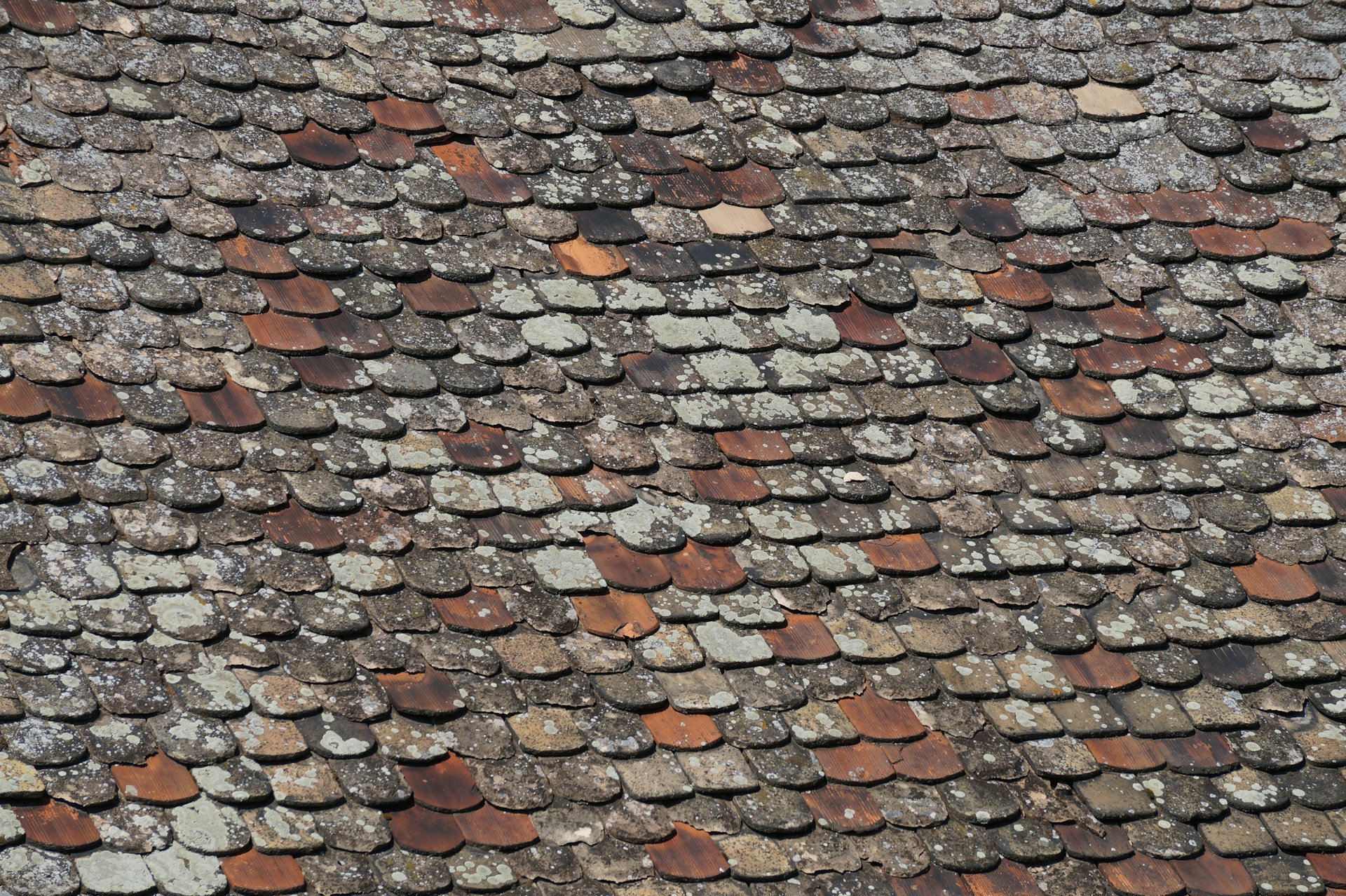
Reclaimed roof tiles that have weathered 60 to 120 years on a roof develop a patina made up of mineral deposits, lichen shadows, and UV-driven color shifts that penetrate the clay body itself. The surface feels slightly granular compared to a fresh kiln run.
The underside typically shows the original mortar bed marks and sometimes hand-press lines from the original forming process. You will notice that no two tiles in a salvaged batch are exactly the same shade, because each tile sat in a different exposure position on the original roof.
Color drift is one of the most reliable tells. Terra cotta red comes from iron oxide content, and guidance on clay tile color variation shows how natural tones range from deep reddish browns to softer oranges and pinks. Reproductions tend to hit a narrow, uniform color band that looks flat next to genuinely aged tile.
Why Reproduction Terra Cotta Falls Short on Heritage Projects
Reproduction terra cotta is manufactured to approximate historic profiles, but the clay body, kiln temperature, and forming method are rarely identical to what was used 80 or 100 years ago. The result is a tile that may fit the dimensional spec on paper yet reads as visually wrong once it sits next to original material on the roof.
Architects working on projects reviewed under the Secretary of the Interior's Standards for Rehabilitation know that maintaining the original roofing material, including its color, texture, and profile, is a stated priority for preserving historic character.
Terra cotta clay roofing from new production runs also weathers differently. Modern kiln-fired clay tends to be denser and less porous. This means it does not develop the same surface patina over time. On a mixed roof, old and new tiles diverge visually within five to ten years.
When New Roof Tiles Can Still Play a Supporting Role
There are situations where new roof tiles make sense as a secondary material. Ridge caps, starter courses, and concealed areas that will not be visible from grade can sometimes accept a reproduction tile without compromising the roof's visual integrity.
In those cases, you match the profile and gauge as closely as possible and reserve the authentic reclaimed tiles for the visible field.
The key is knowing what your project requires before you start sourcing. That means understanding the profiles and formats that define the look of a historic clay roof.
Profiles, Formats, and Visual Character That Matter on the Roof
Profile shape is the single most important visual attribute on a clay tile roof. Getting it wrong is immediately obvious from the street. Barrel, flat, and interlocking profiles each create a distinct shadow line and coursing rhythm that defines the architectural style of the building.
Barrel Tile, Coppo, and Barrel Tiles for Mission and Mediterranean Roofs
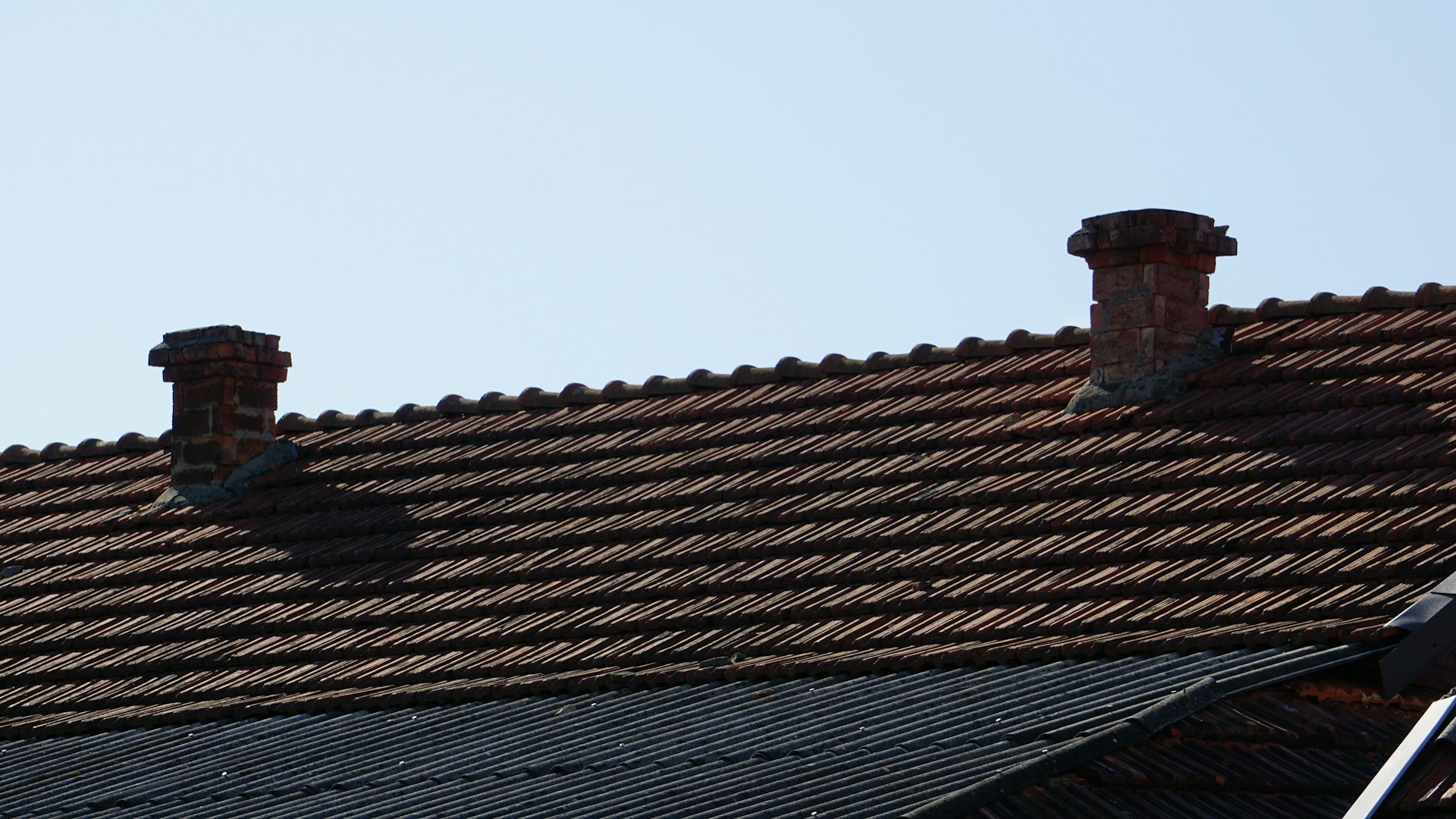
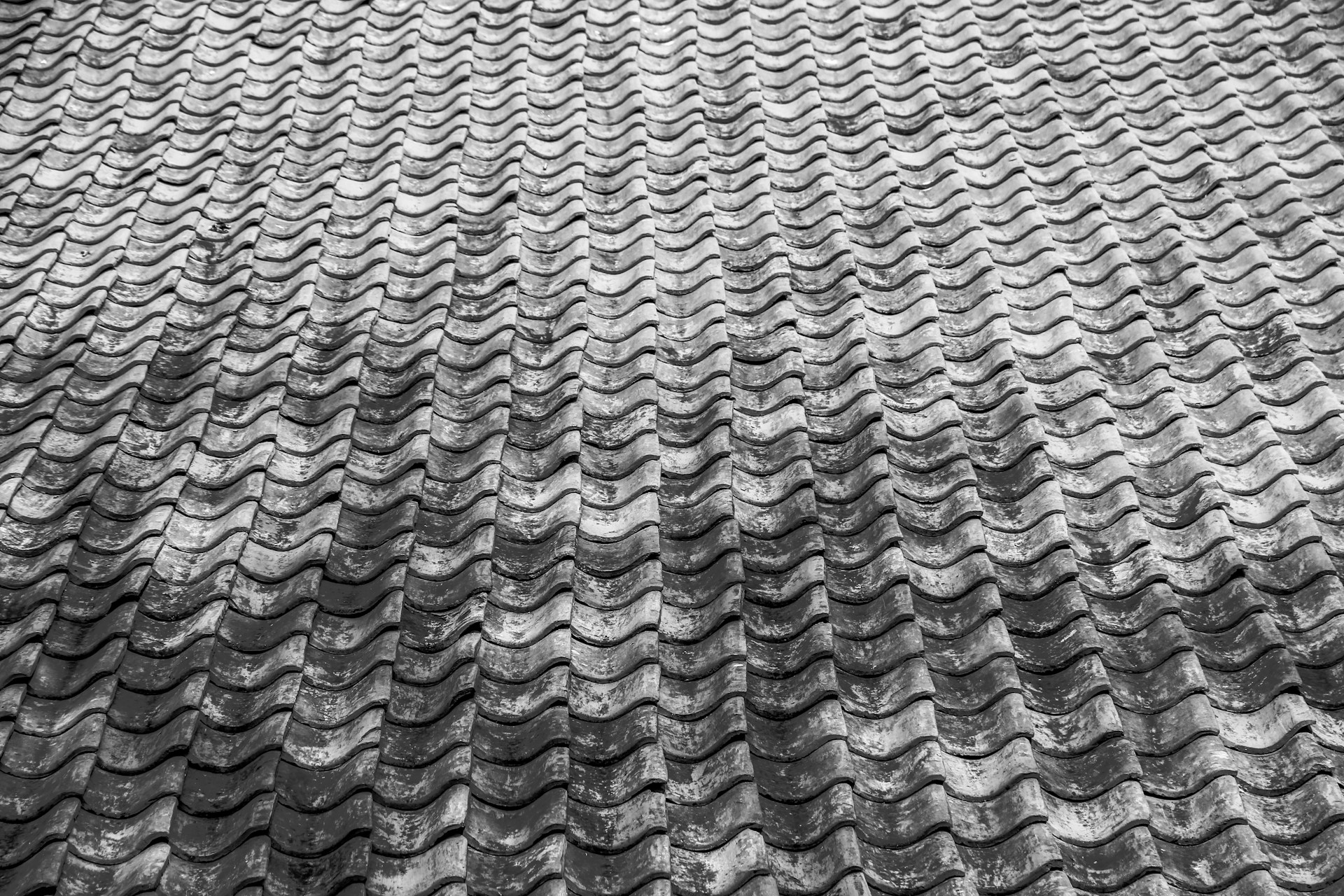
Barrel tiles, sometimes called coppo in Italian-influenced construction, are the semi-cylindrical profiles you see on Mission, Mediterranean, and Spanish Colonial roofs across the Southern and Western United States.
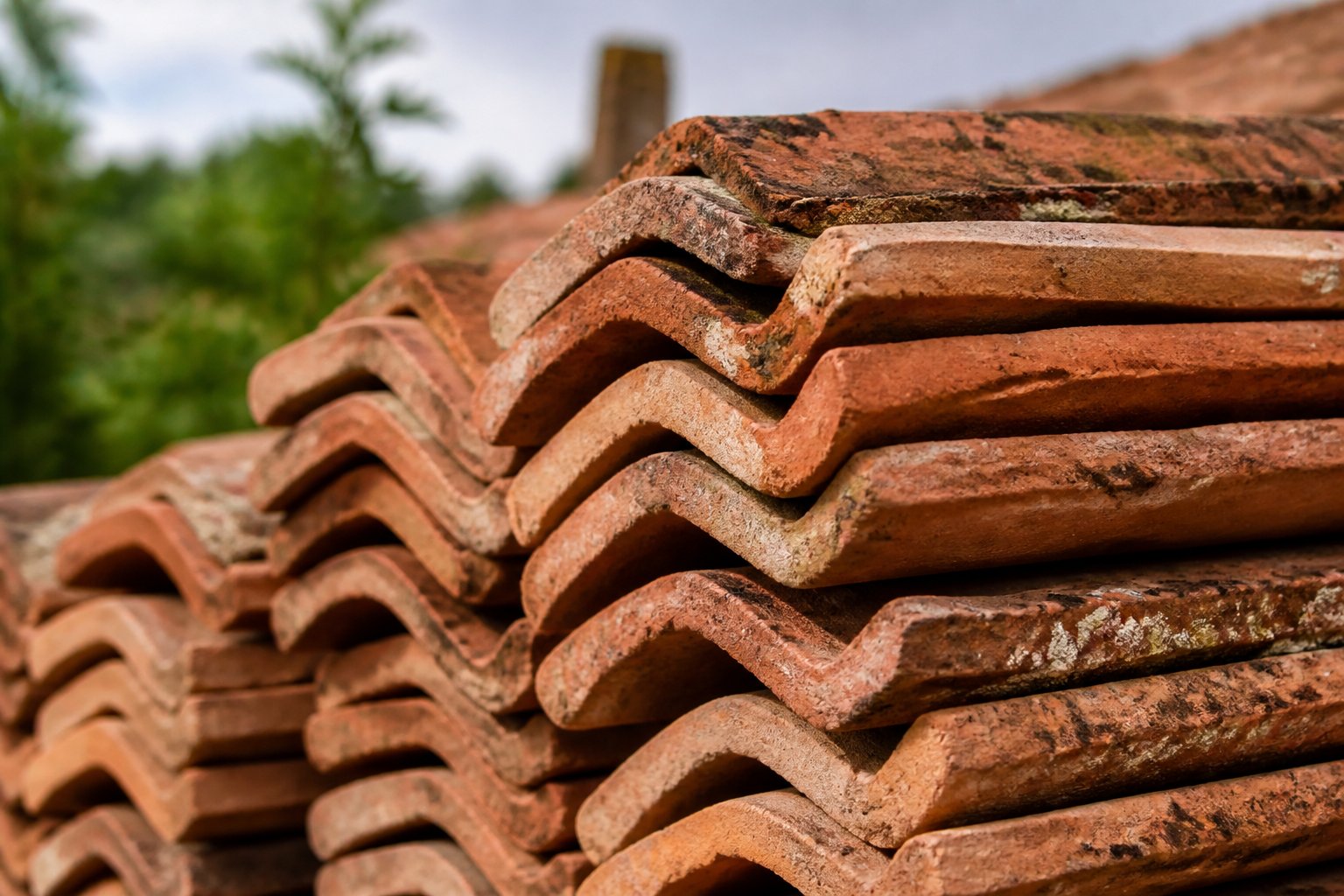
A traditional barrel tile installation uses a two-piece system: a concave channel tile (tegola) on the bottom and a convex cover tile (coppo) on top.
Reclaimed barrel tiles from early 20th-century structures typically run 12 to 18 inches in length, with wall thicknesses between 1/2 inch and 3/4 inch. Coverage rates are roughly 80 to 100 tiles per square depending on exposure.
When you are sourcing salvaged barrel tile for a repair, the curve radius is critical. A salvaged tile with a tighter or wider radius than the existing field will rock at the overlap. This breaks the weather seal.
Flat Tile, Tegola, and French Flat Roofing Profiles
Flat clay roof tiles, including French flat roofing profiles and tegola formats, lay flush with minimal shadow relief. These tiles are common on Victorian-era buildings, Chateauesque designs, and certain Colonial Revival structures.
Typical reclaimed flat tiles measure 6 x 10 inches or 6 x 12 inches, with thicknesses between 3/8 inch and 5/8 inch. French roof tiles often feature a slight bevel or interlocking rib along one edge.
Flat profiles are less forgiving of thickness variation than barrel tiles. Any unevenness shows up as a visible ridge across the coursing. That makes batch uniformity a bigger concern when you are buying reclaimed flat tile for a large field area.
Color Range, Clay Body, and the Look of Terra Cotta Clay
The color of a terra cotta roof tile is determined almost entirely by the iron content, mineral composition, and firing temperature of the original clay body. Reclaimed terra cotta clay tiles range from deep rust and burnt sienna to buff, salmon, and even grayish tones.
Some historic manufacturers applied a glazed finish for weather resistance or decorative effect. Those glazes age with a crackle pattern that is nearly impossible to replicate.
If you are specifying reclaimed clay for a project with existing terra cotta color matching in mind, request batch photos before ordering. Color matching across batches of salvaged material is possible, but it requires a supplier who actually inspects and sorts the inventory rather than shipping unseen pallets.
Knowing the profile and color you need is only half the job. You also need to know how to evaluate each tile's structural condition before it goes up on the roof.
How Buyers Should Evaluate Condition Before Purchase
Every reclaimed tile needs individual evaluation because a single hairline crack can become a leak path within one freeze-thaw cycle. Buying salvaged clay tile without inspecting for specific defects puts your roof and your reputation at risk.
Checking for Cracks, Spalls, and Edge Damage
Hold each tile up and look for hairline cracks running perpendicular to the long axis, which indicate stress fractures from removal or transport. Spalls, where chips have popped off the face, expose the unglazed clay body to water absorption and accelerated deterioration. A useful field checklist:
- Hairline cracks: reject any tile with cracks visible under natural light
- Edge chips: chips under 1/4 inch on the covered edge are usually acceptable; chips on the exposed face are not
- Delamination: layers separating along the clay body mean the tile was under-fired or has frost damage
- Nail holes: check that existing nail holes are clean and not widened by corrosion
For guidance on what a thorough quality screening checklist looks like, review the inspection criteria before you buy.
Weight Uniformity, Thickness Variation, and Fit Across the Batch
Weigh a random sample of 10 tiles from the batch. A weight spread of more than 15% typically signals mixed clay bodies or different manufacturers in the same lot. Thickness variation matters most on flat profiles, where even a 1/8-inch discrepancy creates a visible step at the overlap.
On barrel tiles, slight thickness changes are more forgiving because the curve absorbs minor differences.
Stack five tiles from the same batch and check for consistent nesting. If barrel tiles rock or leave gaps larger than 1/8 inch at the overlap, they will not shed water properly once installed.
Glaze Integrity, Water Shedding, and Freeze-Thaw Considerations
Glazed reclaimed tiles should show intact glaze across the exposed face with no bare patches larger than a quarter. Crazing, the network of fine lines in aged glaze, is normal and does not affect performance unless the craze lines are deep enough to feel with a fingernail.
For projects in freeze-thaw zones, conduct a simple soak test: submerge a tile for 24 hours, weigh it, and compare to its dry weight. Absorption above 6% puts unglazed tiles at higher risk for frost spalling.
Once you are confident in the material quality, the next step is making sure the supplier can deliver the right quantity, in the right blend, on the right timeline.
Supply Reality, Quantity Matching, and Delivery Planning
Salvaged inventory is finite and variable. This means the buying process for reclaimed roofing looks nothing like ordering from a catalog. You are working with what comes off real buildings, in the quantities that each demolition yields.
Why Salvaged Inventory Varies From Batch to Batch
A single demolition might produce 3,000 barrel tiles, but only 2,200 pass inspection after culling for cracks and spalls. The next salvage job could yield a completely different color, profile, or size. That variability is the nature of reclaimed materials.
It is why buyers need to confirm batch details before placing an order rather than assuming availability will hold.
Questions to Ask About Counts, Blends, and Lead Times
Before you commit to a purchase, get clear answers on:
- Total piece count available in the current batch
- Whether the batch is from a single source building or blended from multiple salvages
- Typical lead time from order confirmation to shipment
- Whether partial shipments are available if you need material on site in stages
- Waste factor recommendation from the supplier based on tile condition
A reputable reclaimed roofing supplier can answer all five of those questions with specifics, not estimates. For projects requiring tight scheduling, review this guide to clay tile freight logistics.
Crating, Freight, and Job-Site Ready Delivery
Reclaimed clay tile is heavy and fragile. Proper crating and palletizing are not optional. Expect palletized loads of 2,000 to 3,000 pounds depending on tile format and count. Confirm whether the supplier offers liftgate service for sites without a forklift.
Also confirm whether delivery scheduling is available so your crew is on site when the truck arrives.
Knowing how the material gets to the job is important. Equally important is knowing where reclaimed terra cotta fits best once it arrives.
Where Reclaimed Terra Cotta Fits Best in Restoration and New Build Work
Reclaimed terra cotta performs at its highest value on projects where visual authenticity, material continuity, or historic accuracy is non-negotiable.
Historic Repairs, Additions, and Period-Accurate Replacement
Matching an existing 1920s barrel tile roof with new production material almost always produces a visible mismatch within the first few years. Salvaged tiles from the same era and region carry the right color depth, surface texture, and profile curve to blend with what is already on the roof.
For buildings subject to historic review boards or preservation guidelines, material reuse frameworks recognize salvaged products at full cost value, which can support both preservation and green building goals simultaneously.
Luxury New Construction Seeking Old-World Character
High-end residential projects increasingly specify reclaimed terra cotta roof tiles because no new product delivers the same weathered patina and color complexity. Architects designing Tuscan, Mediterranean, or French Provincial homes use salvaged barrel and flat clay tiles to create rooflines that look established from day one.
For projects where the roof needs to coordinate with slate colors, sourcing both materials from a single supplier simplifies logistics and improves color cohesion.
Roofing Systems That Coordinate With Flooring and Other Salvaged Elements
Some projects call for a cohesive material palette across the entire building. Terra cotta floors, antique wood beams, and reclaimed roofing tile all share a visual warmth that factory-made materials cannot duplicate.
When the roofing tile, the floor tile, and the structural timbers all carry genuine age, the building reads as a unified composition rather than a set of staged finishes. Both imported traditional materials and domestic salvage can contribute to this approach, depending on what the design calls for and what inventory is available.
The sourcing challenge is real, but the payoff is a roof that tells a true story. The question now is how to lock in what you need before someone else does.
Sourcing With Confidence for the Next Roof
Specifying reclaimed clay roofing with confidence comes down to confirming three things before you place the order: the tile is structurally sound, the batch matches your project, and the supplier can deliver on your timeline.
When to Specify Hand-Inspected Barrel Clay Roof Tiles
Specify hand-inspected reclaimed barrel tile whenever the project involves visible roof slopes, historic overlay, or any application where a failed tile means pulling the section and re-laying.
This applies to interlocking-profile barrel tiles, mission-style two-piece systems, and any clay roof tile that will sit in a freeze-thaw climate. Tiles that have been individually sounded and culled give you a dramatically lower failure rate on the roof compared to bulk-shipped, ungraded salvage.
What to Confirm Before You Place the Order
Before you sign off, verify these details with your supplier:
- Batch photos showing face color, edge condition, and profile curve
- Piece count with confirmed cull rate already factored in
- Shipping timeline and crating method
- Liftgate or forklift requirements at your delivery point
- Final sale terms and the window for reporting freight damage
Reviewing the same slate inspection criteria can sharpen your eye for the checks that apply to clay tile as well.
Checking Current Availability and Project Fit
Salvaged clay tile inventory changes with every new demolition and every order that ships. If you have identified the profile, color, and count you need, the practical next step is to check what is currently in stock and confirm project fit before the batch moves.
A 400-tile barrel match does not sit on a shelf waiting; it exists in whatever salvage batch is on the yard right now. Reclaimed Slate Roofing can confirm the profile, color, and count currently in stock and hold the batch while you finalize the spec.
Call 225-954-8393 to check availability, or browse current inventory at reclaimedslateroofing.com. Most orders ship within 2 to 5 business days.
Frequently Asked Questions
How Do You Verify Salvaged Clay Roof Tiles Are Sound and Job-Site Ready Before Shipment?
Each tile is hand-inspected, sounded by tapping to detect internal cracks, and culled if it shows spalling, delamination, or edge damage that would compromise performance. Only tiles that pass visual and acoustic screening are crated for shipment.
What Information Do You Need to Match an Existing Roof: Profile, Gauge, Exposure, and Tile Count?
Provide the tile profile (barrel, flat, or interlocking), the thickness or gauge, the exposure length visible between courses, and a total piece count including your waste factor. Batch photos of the existing roof help confirm the color match.
What Are the Common Sizes and Shapes in Older Clay Tile Roofs, and How Do They Affect Layout and Headlap?
Historic barrel tiles commonly run 12 to 18 inches long. Flat profiles are often 6 x 10 or 6 x 12 inches. Longer tiles allow greater headlap, which improves water shedding but increases material weight per square.
How Much Waste Factor Should Be Allowed When Ordering Reclaimed Clay Tiles for a Repair or Full Re-Roof?
Plan for a 10% to 15% waste factor on repairs and 15% to 20% on full re-roofs. Reclaimed tile carries a slightly higher breakage risk during handling than new production. The extra margin protects your timeline.
What Is the Best Way to Handle, Store, and Stage Reclaimed Tiles On-Site to Avoid Breakage and Delays?
Keep crates on level ground. Do not stack pallets more than two high. Stage material close to the hoist or ladder point to minimize handling. Move tiles by hand or with padded carts rather than dumping from a wheelbarrow.
How Do You Plan Fast Delivery and Job-Site Logistics for Heavy Palletized Tile, Including Access and Offloading Requirements?
Confirm whether your site has forklift access or needs liftgate service before the order ships. Schedule delivery for a day when your crew can offload promptly. Request tracking details in advance so you know the arrival window.