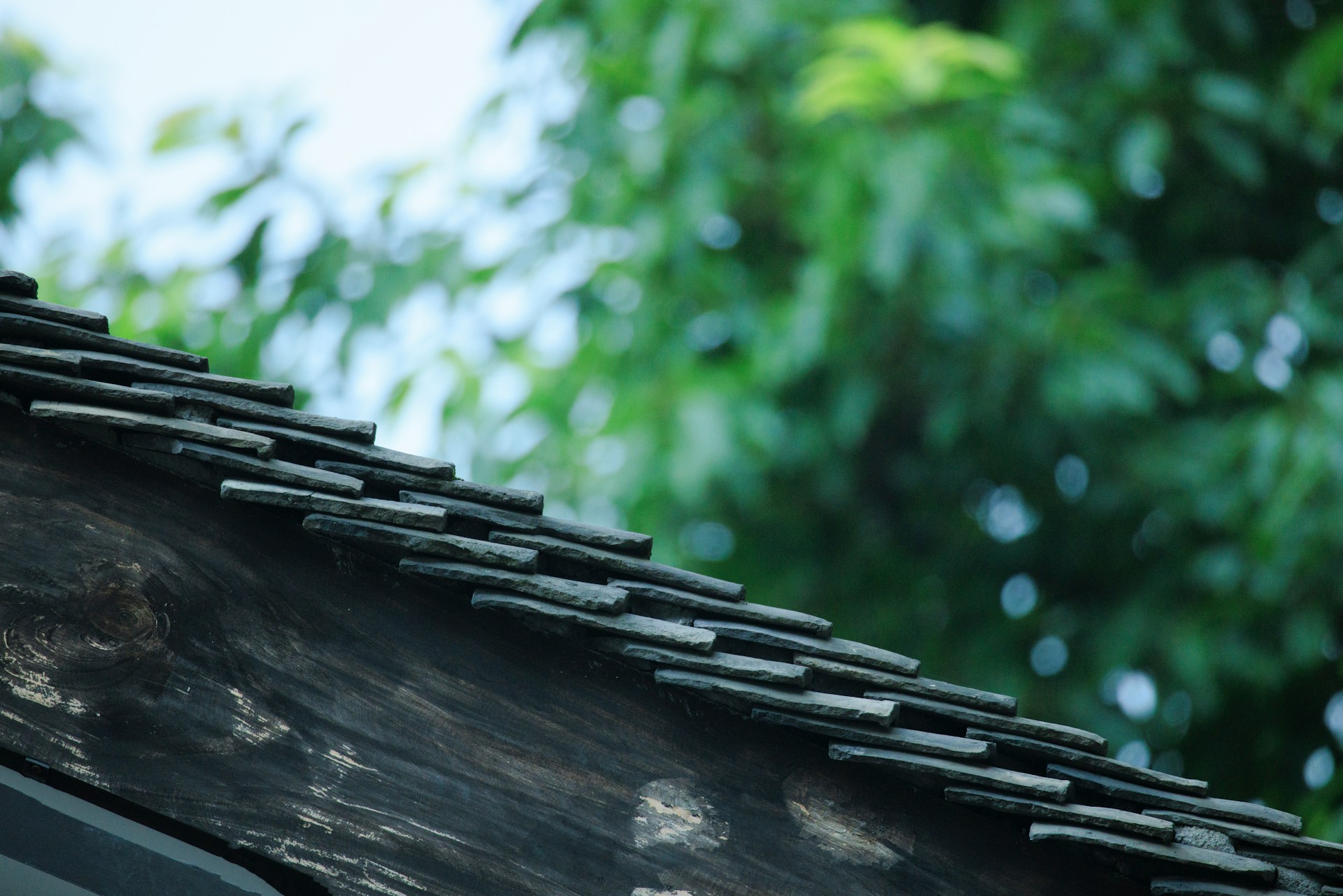
A roof field that needs matching, a restoration spec that calls for period-correct material, a new build that demands a century of built-in character: each of these sends a builder looking for the same thing. Finding a reclaimed slate roofing supplier in the USA who actually stocks verified salvaged inventory, inspects it by hand, and ships it to your job site on a contractor's timeline is not something a general roofing distributor's catalog can solve.
Most of those channels carry new quarried product or synthetic alternatives. Neither option delivers the patina, color variation, or structural proof that comes from a slate tile that has already performed for 75 years or more on a historic roof.
Reclaimed Slate Roofing is a direct-source supplier of genuine reclaimed slate and clay tile from verified historic salvage, operating as a builder-direct wholesaler shipping nationwide. Every piece is hand-inspected, sounded, and culled before it leaves the yard, with no replicas, no artificial finishes, and no retail markup between you and the material.
Inventory includes formats in 20-inch, 18-inch, and 16-inch random widths across colors like Grey, Black, Buckingham Black, Semi Weathering Green, Purple, Mottled Green with Purple, and Barrel Clay Roof Tiles.
Keep reading for a full breakdown of what trade buyers should expect from a domestic reclaimed roofing supplier.
Learn how authentic material is sourced from historic removals, the inspection process that makes salvaged slate job-site ready, available formats and colors, freight logistics, and how to confirm inventory before you commit. This is sourcing detail, not filler.
What Trade Buyers Need From a Reclaimed Slate Roofing Supplier in the USA
Trade buyers need three things before anything else: verified authenticity, available inventory in the size and color they need, and a ship date that does not stall their project schedule. A reclaimed roofing supplier who cannot deliver on all three is not worth a phone call.
Why Authentic Salvage Matters More Than Replica Materials
Replica slate products and synthetic roofing tiles cannot replicate the weathering, mineral depth, or surface variation that develops over decades on a real slate roof.
When you are working on a historic restoration governed by the Secretary of the Interior's Standards, substitution with a manufactured product can compromise compliance and disqualify a project from federal tax incentives.
Architects specifying for landmark or contributing structures need material that was produced in the same era and region as the existing roof field.
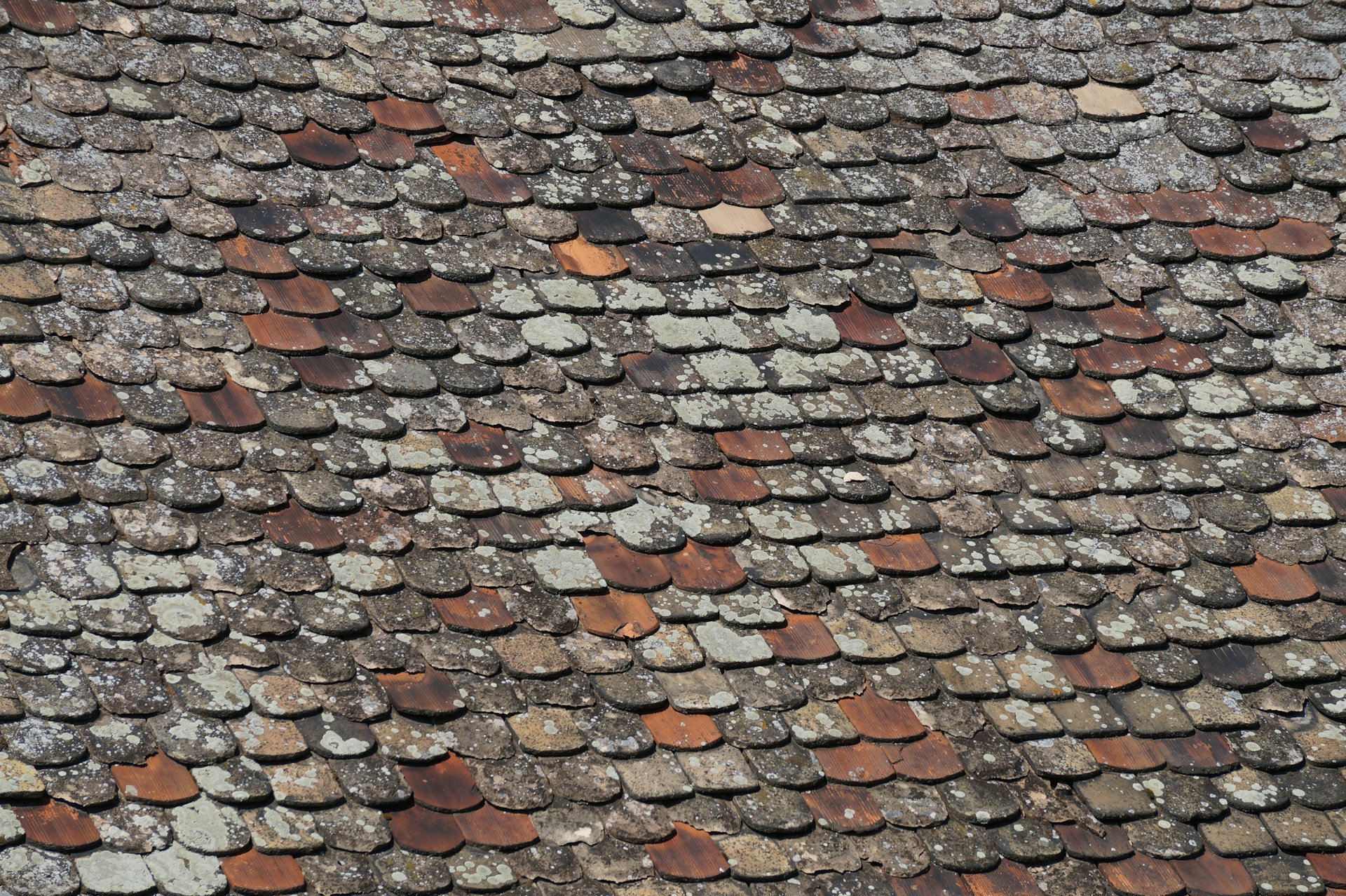
Authentic salvaged slate carries a visual fingerprint. Its edges are hand-dressed, its surface retains the original cleavage texture and patina from exposure, and its thickness varies naturally rather than conforming to a factory standard.
These characteristics matter for color-matching repairs, blending additions into existing roof planes, and maintaining the architectural integrity that owners and review boards expect.
The difference between salvaged and reproduced is not cosmetic alone. A slate tile that has already survived a century of exposure on a historic structure has proven its structural grade in the field. No lab test on a new product can replicate this.
When Reclaimed Material Is the Best Fit for Repair, Restoration, or New Construction
Roof repair on an existing slate roof almost always requires matching the original material in color, thickness, and format. New quarry slate rarely achieves an exact visual match against a field of aged tiles. Reclaimed material sourced from the same era or quarry region gives you the closest possible blend without replacing the entire roof.
For new construction projects seeking authentic architectural character, reclaimed slate delivers texture and depth that new material and concrete tile simply do not offer. Luxury residential builds, commercial projects in historic districts, and institutional buildings all benefit from the visual weight and proven durability that genuine heritage roofing material provides.
How Builder-Direct Supply Changes Pricing and Lead-Time Expectations
A builder-direct sourcing model eliminates the distributor margin that inflates reclaimed material costs at retail. You get wholesale-style pricing because you are buying from the same team that sourced, inspected, and palletized the slate. There is no intermediary marking up rare inventory or adding weeks to a quote cycle.
Most orders ship within 2 to 5 business days after confirmation. That timeline matters when a crew is already mobilized, and roof deck prep is underway. The ability to confirm inventory, approve batch photos, and receive a freight tracking number within the same week separates a working supplier from a broker sitting on someone else's stockpile.
How Authentic Material Is Sourced From Historic Roof Removals
Genuine reclaimed roofing slate enters the supply chain through planned demolitions, teardowns, and selective roof removals on structures built between the 1850s and mid-1900s. These are not factory seconds or surplus new stock relabeled as "reclaimed."
Historic Demolitions, Teardowns, and Verified Salvage Channels
Salvage begins when a historic building is deconstructed or reroofed. Element-by-element disassembly, rather than mechanical demolition, preserves reusable roofing that would otherwise go to landfill.
Roofing slate pulled during these removals is sorted on site, then transported for secondary inspection and grading.
Verified salvage channels confirm the building of origin, the approximate age of the material, and the region where the slate was originally quarried. This documentation matters for architects who need to trace provenance for landmark compliance or LEED-related Materials and Resources credits.
Why Provenance Matters for Matching Existing Roof Fields
Two grey slates from different quarry regions can look like different materials entirely once they are side by side on a roof. Slate from the Vermont region weathers differently than Pennsylvania soft vein or Virginia Buckingham slate.
When you are patching or extending an existing field, knowing the quarry origin of your reclaimed stock allows you to select material that blends visually with what is already installed.
Provenance also affects structural expectations. Unfading Vermont slate can last 125 years or more, while softer Pennsylvania grades may show ribbon deterioration closer to the 75-year mark. Knowing origin helps you set the right expectations for the next service cycle.
What to Ask About Origin Before Approving Material
Before you approve a batch, confirm the following:
- Geographic region of the original quarry (Vermont, Virginia, Pennsylvania, or other)
- Approximate age of the building from which the slate was removed
- Whether the slate was hand-stripped or mechanically removed
- Any visible ribbon or delamination patterns in the batch
- Thickness range across the lot (typical reclaimed ranges from 3/16" to 3/8")
These details protect your specification and prevent field surprises after delivery. The next question after origin is always condition.
How Reclaimed Slate and Tile Are Inspected Before Shipment
Every piece of reclaimed slate or clay tile is hand-inspected individually before it is approved for an order. This is not a sample-based audit. It is a piece-by-piece evaluation that determines whether each tile ships or gets culled.
Hand-Sounding, Hand-Inspection, and Culling Standards
Hand-sounding is the standard field test for slate integrity. Each tile is suspended and tapped. A clear, ringing tone indicates solid stone with no internal fractures. A dull or flat sound signals delamination, hidden cracks, or moisture damage. That piece is pulled from the batch.
Visual inspection follows sounding. Inspectors check for chipped edges, excessive flaking, soft spots, and structural grade indicators that would affect fastener hold or weather seal after installation.
Why Original Patina Is Left Intact
Reclaimed slate is shipped with its original surface character untouched. There is no power washing, chemical cleaning, or artificial treatment applied. The natural patina, including lichen marks, mineral bloom, and oxidation tones, is part of the material's value and visual identity.
Cleaning reclaimed slate can damage the weathered surface layer that protects the stone and create a mismatched appearance when installed alongside naturally aged material. For restoration projects, retaining original surface character is not optional. It is what makes the material appropriate for the job.
Condition Checks That Affect Installation Performance
Beyond cosmetic evaluation, condition checks focus on factors that directly affect how a tile performs once nailed to the deck:
- Nail hole placement and condition: Existing holes must be clean, not elongated or cracked at the edges.
- Edge integrity: Chipped or rounded edges compromise headlap and sidelap coverage.
- Thickness consistency: Tiles outside the 3/16" to 3/8" range may not seat properly against adjacent pieces.
- Flatness: Warped or bowed tiles create gaps that allow wind-driven rain beneath the course.
Clay tile roofing goes through a parallel process, with inspectors checking for hairline cracks in the barrel, glaze condition, and consistent profile curvature. Knowing what passes inspection matters less than knowing what is actually in stock.
Available Formats, Colors, and Material Types
Current inventory spans multiple natural slate formats, several distinct color families, and clay tile profiles suited to both residential and commercial applications.
Common Slate Formats Including 20-Inch, 18-Inch, and 16-Inch Random
Reclaimed slate is sold in random-width formats at three standard length options: 20" x random, 18" x random, and 16" x random. "Random" refers to width variation within a batch, typically ranging from 6" to 14" depending on how the original slate was cut. This random variation creates the staggered, textured roof appearance that defines traditional American slate roofing.
Coverage per square varies with format and exposure. A 20-inch slate set at a standard 8-inch exposure runs roughly 90 pieces per square, though the random width of reclaimed slate means the exact count shifts from batch to batch.
The 16-inch format at a comparable exposure requires more pieces per square due to shorter headlap, which increases both material and labor counts.
Slate Colors Such as Grey, Black, Buckingham Black, Purple, and Mottled Green With Purple
Color selection depends on the project type and existing roof conditions. Here is what each color looks like in practice:
- Grey: Neutral, softly weathered tones suited to traditional builds and transitional architecture. The most versatile option for blending with stone or painted trim.
- Black: Deep, bold contrast with natural texture. Works well against lighter masonry and siding.
- Buckingham Black: Sourced from Virginia's Buckingham County quarry region. Denser and harder than most slates, with a blue-black hue that holds its color and a documented service life well beyond 175 years.
- Purple: Rich plum-to-violet tones that shift under different light conditions. A hallmark of rare slate colors sought for luxury restorations.
- Semi Weathering Green: Green-grey with a natural fade pattern over time, creating tonal variation across the roof field.
- Mottled Green with Purple: A multicolor blend that creates visual depth no replica product can reproduce.
Clay Tile Options Including Barrel Profiles and Mission Tile
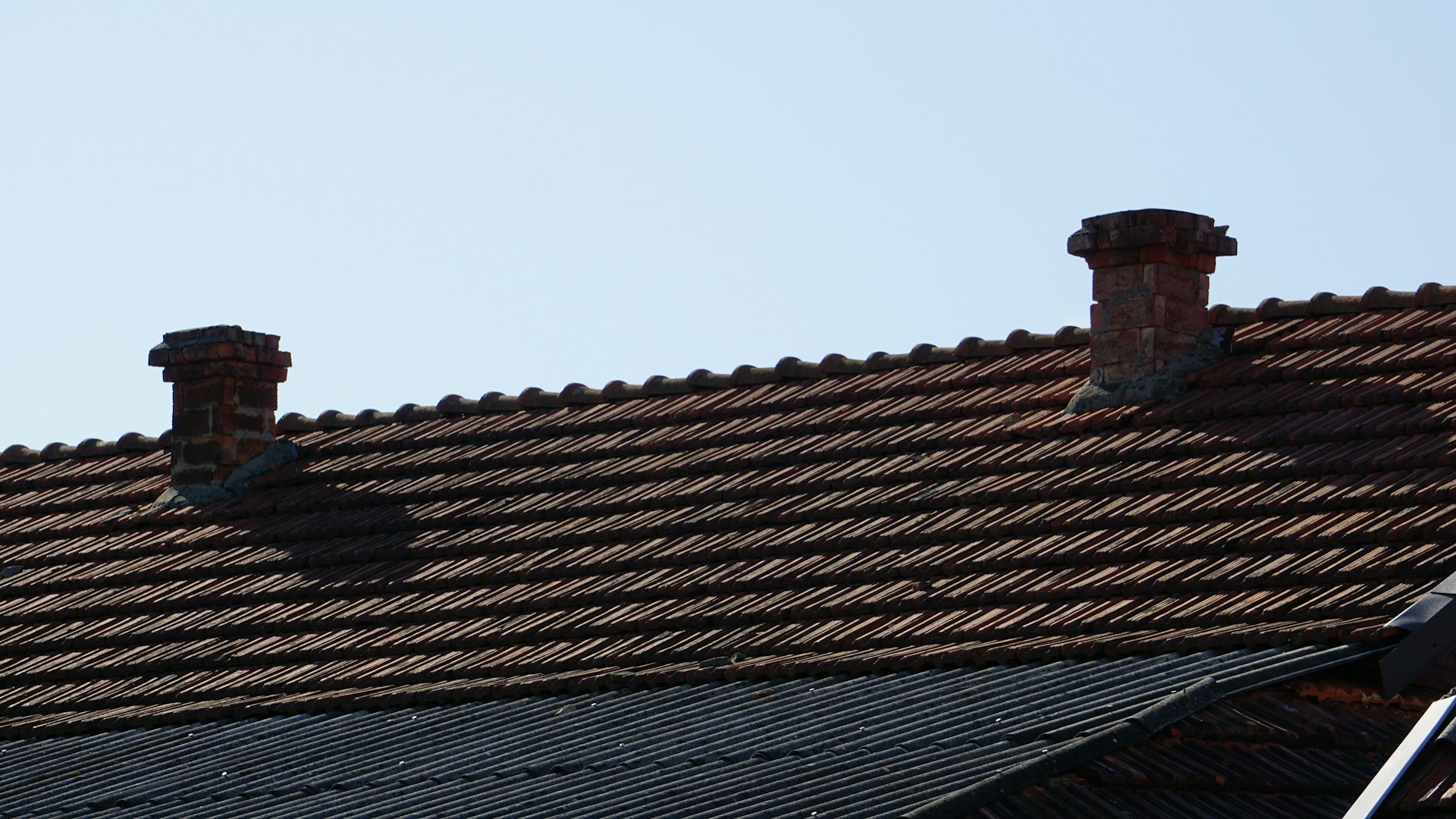
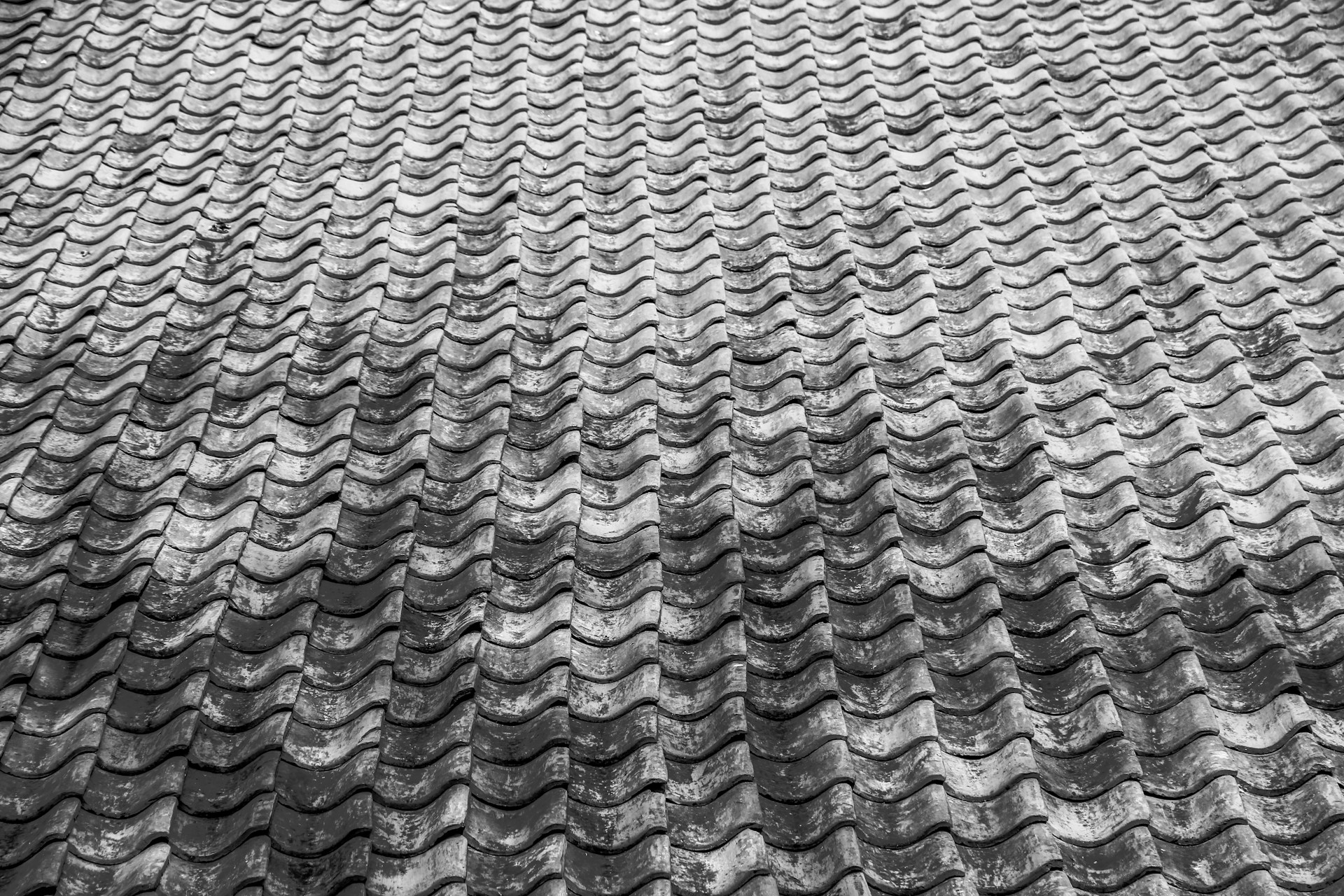
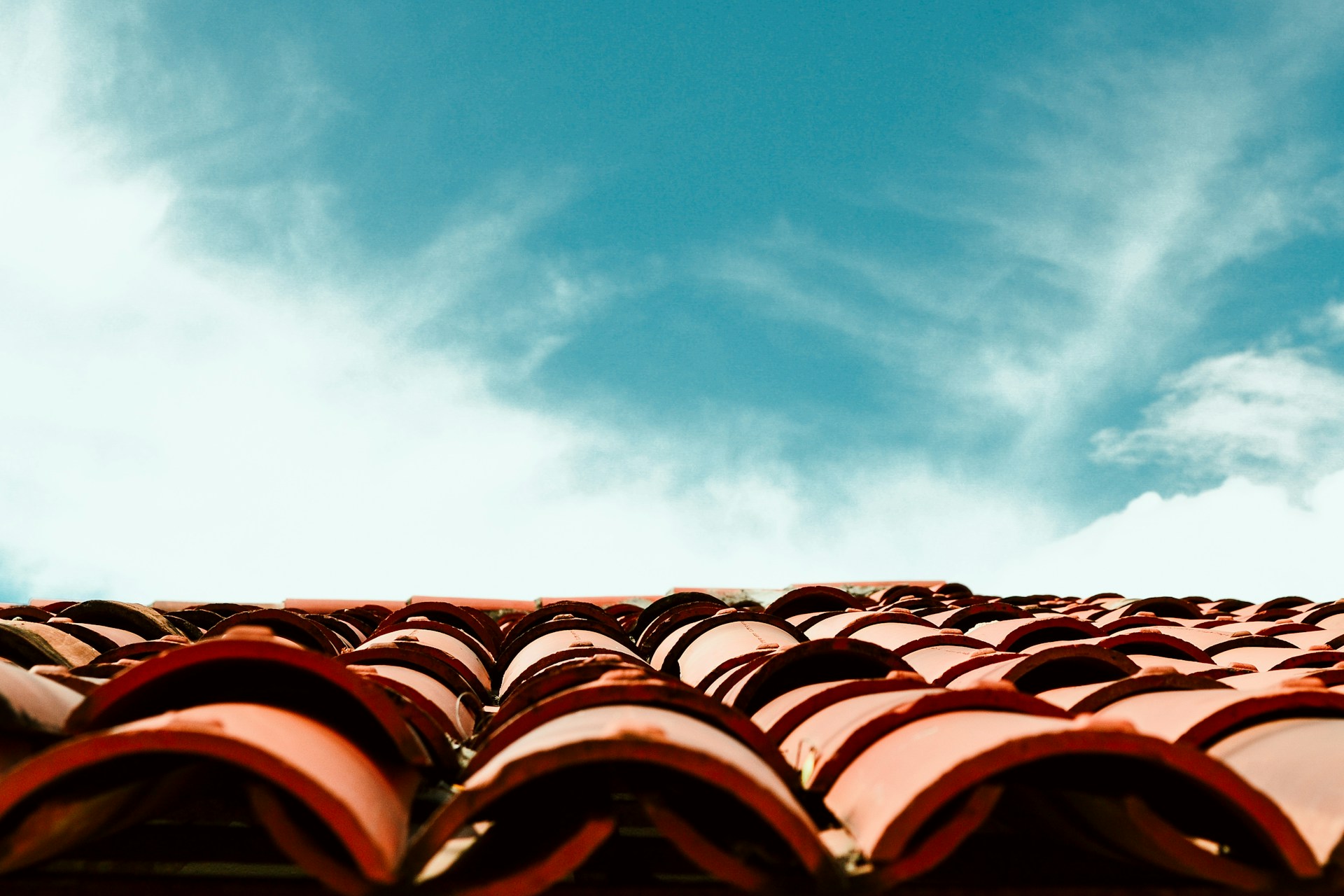
Reclaimed clay tile inventory includes barrel-profile and mission tile formats pulled from historic structures, primarily in the Southern and Western United States. These tiles are hand-inspected for glaze integrity, profile consistency, and structural soundness. Additional detail on material types and sourcing is available in the reclaimed clay roof tiles guide.
How Vermont Slate and Other Natural Variations Affect Specification
Vermont slate is widely recognized for its longevity, with unfading varieties documented to exceed a 125-year slate roof lifespan under proper installation. Semi-weathering and weathering grades from the same region may shift in color over time.
When specifying for a mixed-color roof or matching an existing Vermont slate field, confirming the grade (unfading, semi-weathering, or weathering) is critical to predicting long-term visual performance. How all of this material reaches your job site is the next piece of the equation.
Freight Planning, Jobsite Delivery, and Turnaround Windows
Most reclaimed slate and clay tile orders ship within 2 to 5 business days after order confirmation, with coordinated freight delivery to your job site or preferred drop location anywhere in the continental United States.
What Nationwide Shipping Usually Includes
All orders are crated and palletized for transit protection. Freight shipping covers pickup from the supplier yard, LTL or full truckload transport depending on order size, and delivery to the address you specify. Tracking details and delivery instructions are provided before the shipment moves.
How Crating, Palletizing, and Liftgate Requests Support Site Readiness
Proper crating prevents edge chipping and stacking damage during transit. Palletized loads allow forklift unloading at sites with equipment on hand. If your site does not have a forklift, liftgate service is available on request to bring the pallet to ground level.
For a full breakdown of how jobsite-ready reclaimed roofing delivery works, the process is built around contractor convenience.
What to Confirm About Delivery Scheduling, Tracking, and Damage Reporting
Before your order ships, confirm the following with your supplier:
- Preferred delivery date and time window
- Site access restrictions (narrow roads, weight limits, overhead clearance)
- Whether liftgate or delivery scheduling is needed
- Who on site will receive and inspect the shipment
Inspect crates on delivery. Report any freight damage within 48 hours. All reclaimed slate orders are final sale, so verifying batch photos and material details before order confirmation is essential.
Making the Right Specification Call
The best time to vet inventory is before you commit to a specification or submit a bid. Not after your crew is on the roof waiting for material.
How Builders and Architects Can Vet Inventory Before Commitment
Batch photos are available for review before any order is confirmed. These photos show actual material from the lot you would receive, not generic stock images. Architects can use these images to confirm color compatibility with adjacent materials, facade finishes, and existing roof sections.
If you are writing a specification for a restoration project, request photos alongside details on quarry origin, thickness range, and available quantity. A how to vet a slate supplier walkthrough covers what to look for when evaluating a supplier's claims versus their actual on-hand stock.
What to Review for Color Match, Thickness Range, and Quantity
Color matching requires more than selecting a name from a list. Grey slate from two different salvage sites can differ in undertone, weathering pattern, and surface grain. Request side-by-side photos of the batch against your existing field sample or architectural rendering.
Thickness range across a lot should stay within 3/16" to 3/8" for standard installation. Wider variation creates fastening and coursing problems.
Confirm total quantity available in the batch, and include a breakage allowance of roughly 10% to 15% over calculated coverage. A reclaimed slate price guide can help frame budgeting expectations.
When to Call for Availability and Project Pricing
Inventory in specific colors and sizes moves quickly. If you are sourcing for a live project, call early in your planning cycle. Pricing is provided per project based on material type, quantity, format, and delivery location.
There is no fixed online price list, because reclaimed material availability changes with each salvage cycle.
Tell us what you need. Reclaimed Slate Roofing will tell you what is in stock, what it costs, and when it ships. Call 225-954-8393 to check current availability.
Frequently Asked Questions
How Do You Verify Reclaimed Slate Is Genuinely Salvaged and Not Reproduced or Newly Quarried?
Every batch is traced to a specific historic demolition or roof removal project. Documentation includes the building of origin, approximate age, and quarry region. Genuine reclaimed slate shows hand-dressed edges, natural patina, and existing nail holes that manufactured replicas do not have.
What Inspection and Grading Process Do You Use to Ensure Salvaged Slate Is Job-Site Ready and Structurally Sound?
Each tile is hand-sounded to detect internal fractures and visually inspected for edge damage, delamination, and thickness consistency. Pieces that fail the sound test or show structural compromise are culled from the batch before it is crated for shipment.
Which Slate Types and Colors Are Typically Available, and in What Common Sizes?
Available colors include Grey, Black, Buckingham Black, Semi Weathering Green, Purple, and Mottled Green with Purple. Standard formats are 20" x random, 18" x random, and 16" x random. Barrel Clay Roof Tiles are also stocked from historic salvage. Specific availability varies by inventory cycle, so calling to confirm is always recommended.
How Do You Match Reclaimed Slate for Repairs or Additions on an Existing Roof With Established Patina and Weathering?
Matching starts with identifying the quarry region and grade of the existing roof field. Batch photos are provided so you can compare color, texture, and weathering tone against your installed material before approving an order. Original patina is left intact to ensure the closest possible visual blend.
What Lead Times and Shipping Options Are Realistic for Builder-Direct Delivery to a Live Job Site?
Most orders ship within 2 to 5 business days after confirmation. Nationwide freight delivery is standard, with crated and palletized loads. Liftgate service and delivery scheduling are available on request, and tracking details are sent before the shipment moves.
What Should Contractors Budget per Square for Reclaimed Slate Material Versus Installed Cost on a Full Slate Roof?
Material cost per square depends on color, format, and quantity. Reclaimed slate typically costs less than newly quarried premium slate while offering proven longevity. Installed cost varies by region, roof complexity, and labor rates. Contact 225-954-8393 for current material pricing on your specific project scope.
Your Next Step for Sourcing Verified Reclaimed Slate
A reliable domestic supplier for genuine reclaimed slate and clay tile comes down to verified salvage origin, rigorous hand-inspection, and a shipping timeline that works with your project schedule. Every detail covered in this guide, from provenance and grading to color selection and freight logistics, is designed to help you make a confident specification call before your crew ever touches the roof deck.
The difference between a working supplier and a broker is whether someone can tell you, today, exactly what is on the pallet and when it ships. Reclaimed Slate Roofing sources, inspects, and ships its own inventory, so the answers come from the same team that culled the slate. Call 225-954-8393 for current availability and per-project pricing, or browse what is ready to ship at reclaimedslateroofing.com.