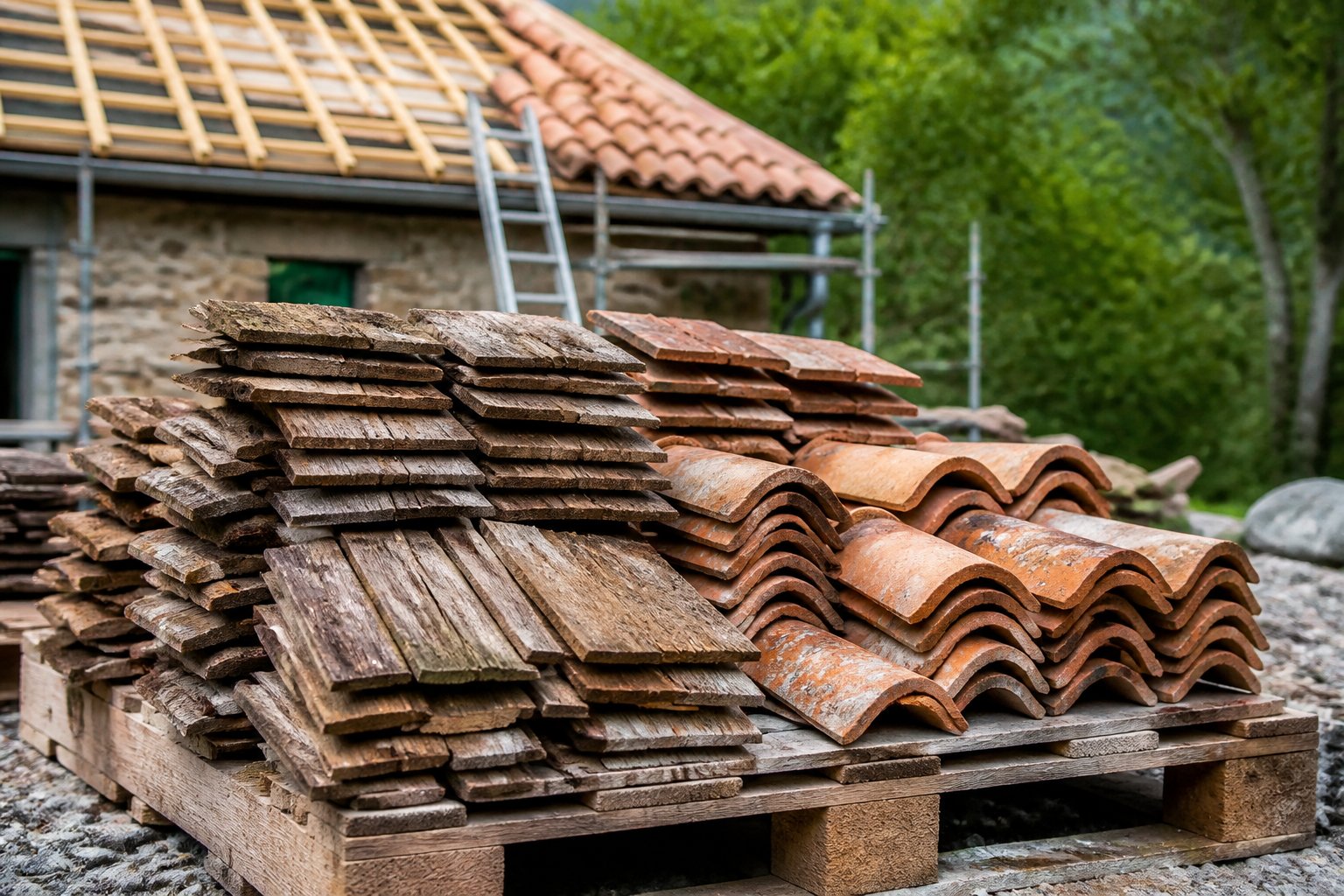
You have a slate roof on a 1920s property with six squares of damaged material, and you need an exact color and format match before your crew can start. Or you are speccing a new build where the architect wants authentic texture, not a factory-pressed replica.
Either way, sourcing genuine reclaimed roofing materials in the USA puts you in a market where verification matters more than volume. The wrong supplier ships you cleaned-up surplus or synthetic lookalikes that fail on the roof and fail the spec.
Reclaimed Slate Roofing operates as a direct-source wholesale supplier of hand-inspected reclaimed slate and clay tile salvaged from verified historic structures across the country.
The company carries specific formats and colors, including 16-inch, 18-inch, and 20-inch random slate in Semi Weathering Green, Purple, Mottled Green with Purple, Grey, Black, and Buckingham Black, alongside barrel clay roof tiles.
Keep reading for a field-level breakdown of how to verify that reclaimed roofing products are genuinely salvaged. What material types move through authentic salvage channels. How to vet a supplier's inspection and sourcing process.
What to expect from inventory formats, shipping timelines, and delivery logistics. Every detail here is written for the contractor or architect who needs sourcing specifics, not marketing copy.
How to Verify Authentic Reclaimed Roofing Materials in the USA
Genuine reclaimed slate and clay tile carry physical evidence of prior service that no factory finish can replicate. Verification starts on the material itself, before you ever ask for a certificate or a batch photo.
Signs the Material Came From Historic Roof Systems
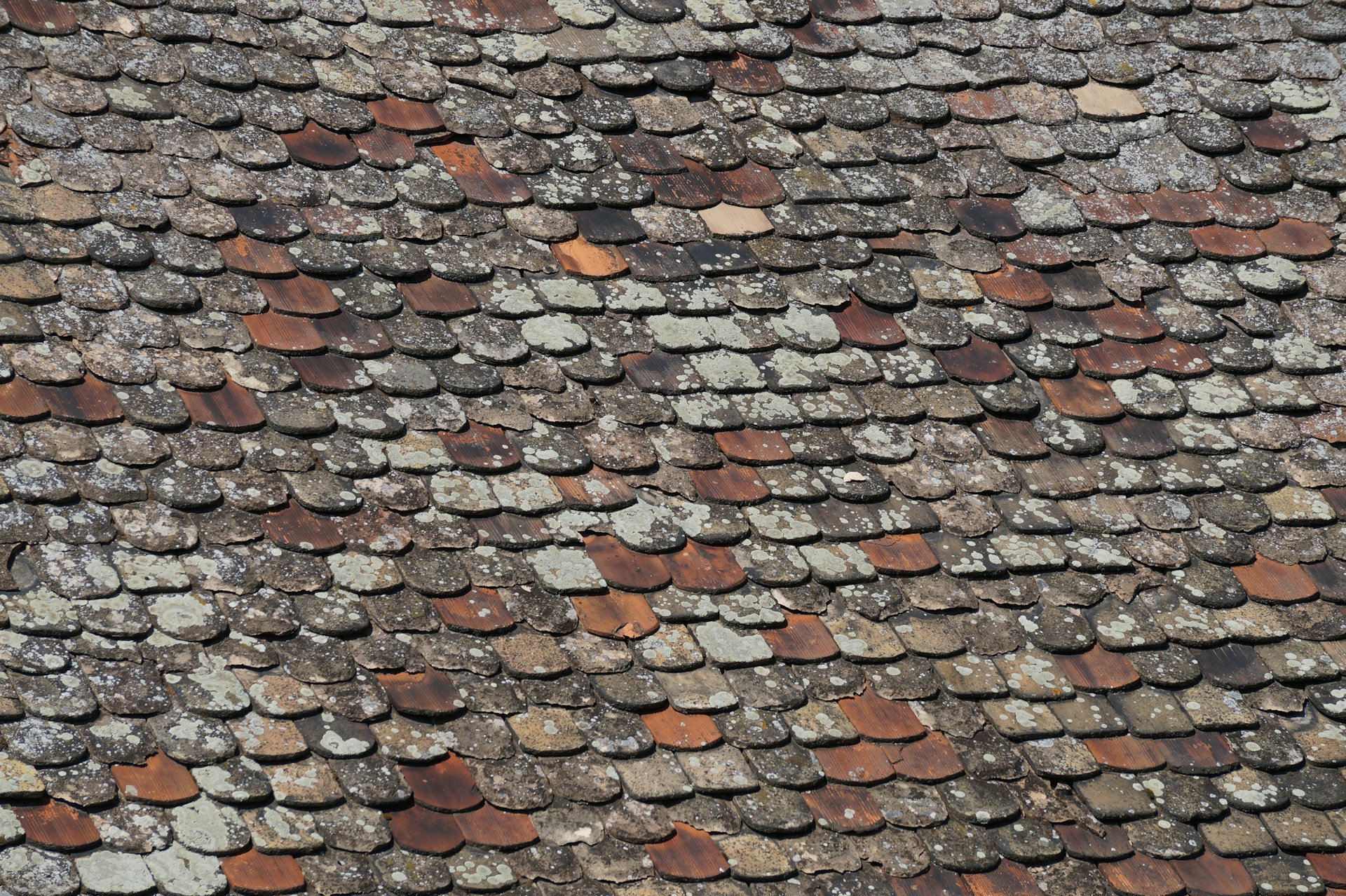
Authentic salvaged slate shows nail holes from its original installation, typically one or two per piece, positioned consistently for the fastening pattern used in the era the roof was built. You will also see natural weathering on the exposed face: a softened surface texture, slight rounding at edges, and color variation that develops only after decades of UV exposure and moisture cycling.
Look for thickness inconsistencies within a batch. Historic slate was hand-split, so you will find pieces ranging from 3/16 inch to 3/8 inch even within the same lot. Machine-made reproductions tend toward uniform thickness.
Additionally, the unexposed face often retains a rougher, unweathered surface since it sat against underlayment or skip sheathing for its entire prior service life.
Reclaimed clay tile carries similar field marks: mortar residue at the headlap, slight efflorescence, and glaze wear concentrated on the exposed barrel or flat face. These signs are difficult to fake at scale.
How Reclaimed Differs From New, Synthetic, and Replica Options
New quarry slate arrives with sharp edges, consistent coloring across the batch, and no nail holes. Synthetic alternatives, often made from recycled rubber or plastic, are manufactured to mimic the look of slate but lack the density, fire resistance, and century-scale lifespan of natural stone.
Replica clay tiles are kiln-fired to approximate historic profiles but rarely match the exact dimensions or glaze characteristics of a specific heritage roof.
The key differentiator is origin. Reclaimed materials come from a documented tear-off or demolition of an existing structure. Replicas and synthetics come from a production line. If a supplier cannot tell you which building or region the material was salvaged from, that is a red flag worth verifying against a checklist before you buy.
Why Original Patina and Weathering Matter on Finished Roofs
Patina is not cosmetic. It is the visible record of how a slate or tile performed over time, and it tells you the material survived real weather without delaminating or cracking. Cleaned or refinished reclaimed slate loses this evidence and can actually mask damage.
On a finished roof, original patina also delivers the visual depth that architects specify for heritage projects.
A batch of grey reclaimed slate with 80 years of weathering reads completely differently from a pallet of new grey quarry slate, even if the base stone is identical. That tonal variation across pieces is what gives a reclaimed roof its character. It matters even more when you are blending new patches into an existing field.
Material Types Commonly Available Through Salvage Channels
Natural slate, clay tile, and occasionally concrete tile make up the core inventory in authentic U.S. reclaimed roofing channels. Availability and quality vary sharply by material type.
Natural Slate for Full Roofs, Repairs, and Restoration Work
Slate is the most widely salvaged roofing material in the U.S. because it lasts 75 to 100+ years and retains structural integrity long after the building it covered has been demolished or reroofed. The most common reclaimed slate formats are:
- 20-inch x random width (typically 9 to 14 inches wide)
- 18-inch x random width
- 16-inch x random width
Coverage per square varies by exposure and headlap. A standard 3-inch headlap on 20-inch slate yields roughly an 8.5-inch exposure. Thickness ranges from 3/16 inch to 1/4 inch for standard grade, with some architectural-grade pieces running up to 3/8 inch.
Sourcing regions for U.S. reclaimed slate include the Pennsylvania soft-vein belt, Vermont and New York hard-vein quarries, Virginia Buckingham County deposits, and occasionally imported Welsh or Spanish slate from older East Coast installations. A detailed breakdown of inspecting slate at the pallet covers what to check before you accept delivery.
Barrel and Flat Clay Tile for Heritage Matching
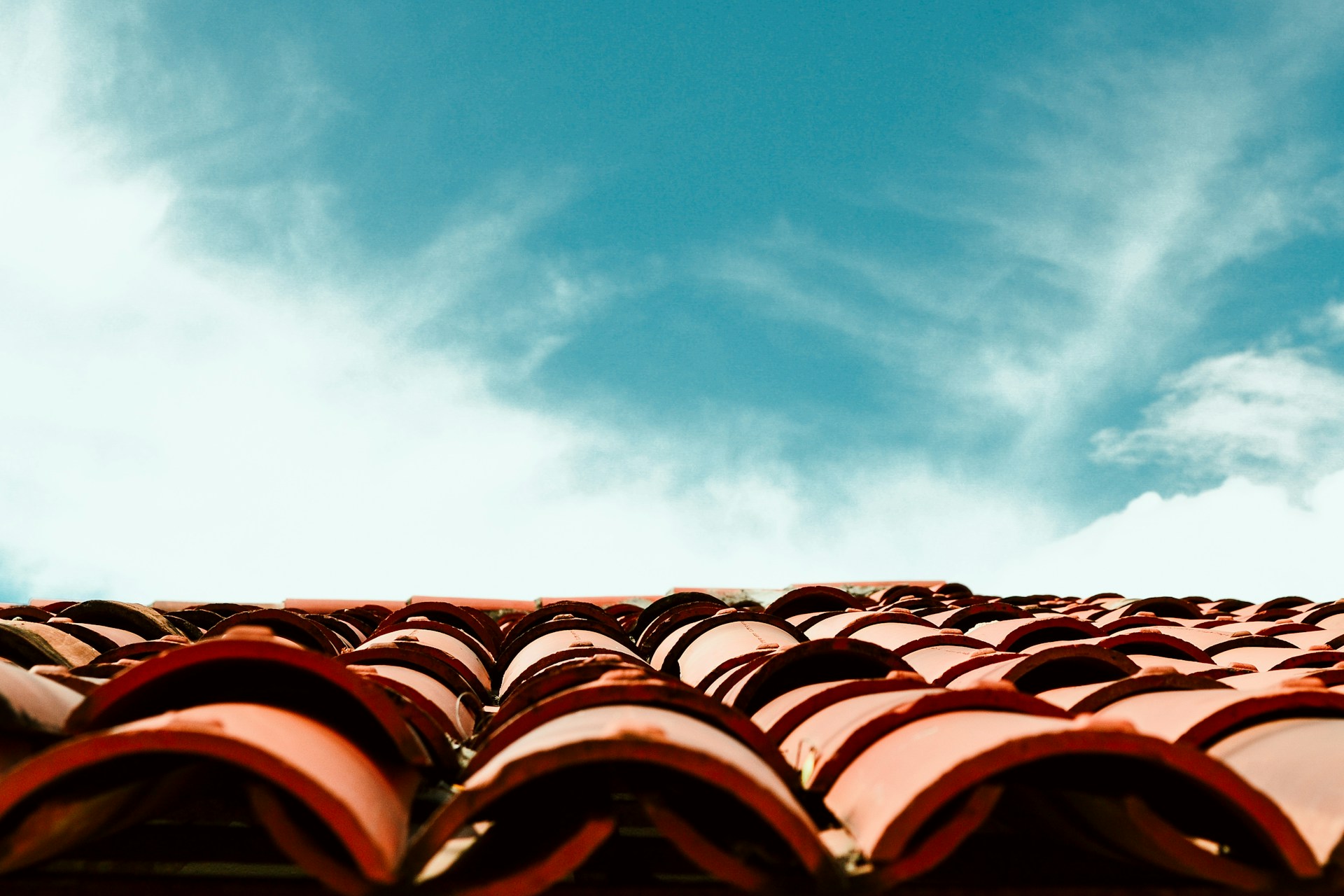
Reclaimed clay tile is most common in regions with Spanish Colonial, Mission Revival, and Mediterranean-influenced architecture, particularly the Southeast, Southwest, and parts of the Mid-Atlantic. Barrel clay tiles are typically 12 to 18 inches long with a curved profile that creates the characteristic shadow line on heritage roofs.
Flat clay tiles, sometimes called French or shingle tiles, appear less frequently in salvage channels.
Both types require careful matching because salvaged clay tile varies in glaze color, body thickness, and profile depending on the kiln and era of manufacture. A difference of 1/8 inch in barrel radius can prevent a proper interlock on a restoration roof.
When Concrete Tile Appears in Reclaimed Inventory
Concrete tile shows up in salvage inventories less often than slate or clay. This is primarily because it has a shorter service life (typically 30 to 50 years) and is more prone to surface erosion. When it does appear, it is usually from mid-20th-century installations in the Sun Belt.
Concrete tile is heavier per square foot than clay, averaging 900 to 1,100 pounds installed. It requires structural confirmation before reuse. Most restoration specs exclude concrete tile because it lacks the longevity and aesthetic depth that slate and fired clay offer.
This is why the next consideration is how to vet the supplier handling whichever material type fits your project.
What to Look for When Vetting a Supplier
A supplier's credibility rests on three things: sourcing transparency, inspection rigor, and pre-sale communication that lets you confirm what you are getting before it ships.
Sourcing Transparency From Demolition to Pallet
Ask where the material came from. A credible supplier can tell you the general region, the type of structure (church, school, residential estate, commercial building), and the approximate era of the original installation.
This matters because slate from a 1910 Pennsylvania school will have different characteristics than slate from an 1870 Vermont church. Suppliers sourcing from verified historic demolitions and tear-offs have a chain of custody.
Those reselling surplus from unknown brokers often cannot answer basic provenance questions. A guide to the salvage chain of custody walks through what that chain should look like from salvage site to your pallet.
Hand-Inspection, Sounding, and Culling Standards
Every piece of reclaimed slate should be hand-sounded before it ships. Sounding means tapping the slate with a knuckle or tool and listening for a clear, resonant ring. A dull thud indicates internal fractures or delamination that will cause premature failure on the roof.
Culling removes pieces with hairline cracks, soft corners, excessive nail hole damage, or thickness outside the usable range.
Ask the supplier what percentage of salvaged material they cull on average. A serious operation will reject 15% to 30% or more of incoming material, depending on the batch quality. If a supplier claims zero waste, that is a warning sign.
Batch Photos, Matching Support, and Quantity Confirmation
Before you commit, you should see photos of the actual batch you are buying. Reclaimed materials are not standardized, so a product page photo from six months ago may not represent what is currently on the pallet. Batch-specific photos show color range, surface condition, and sizing spread.
A supplier focused on roof repairs and restoration work should also offer matching support, helping you compare your existing roof's color and format against available inventory. Quantity confirmation, meaning the supplier verifies they have enough material to cover your order plus a reasonable attic stock buffer, protects you from mid-project shortfalls.
Inventory Reality: Formats, Colors, and Matching Constraints
Reclaimed slate inventory is defined by what comes off real roofs, not by a catalog you can reorder from. Formats and colors shift with every tear-off. Understanding that reality prevents specification errors.
Common Slate Formats Such as 16-Inch, 18-Inch, and 20-Inch Random
The three most commonly available formats in reclaimed U.S. slate are 16-inch, 18-inch, and 20-inch lengths, all in random widths. "Random width" means pieces within a batch vary, usually between 6 and 14 inches wide, which creates the staggered vertical joint pattern that defines a traditional American slate roof.
Fixed-width reclaimed slate (e.g., 12 x 24 or 12 x 18) does surface occasionally but is far less common and typically commands a premium. If your spec calls for uniform widths, confirm availability early and expect to source from multiple batches.
Typical Color Families Including Grey, Black, Buckingham Black, Purple, and Semi Weathering Green
Reclaimed slate color depends on the quarry of origin and how the stone responded to decades of exposure. The most frequently available color families include:
- Grey: neutral tone, sourced primarily from Vermont and New York quarries, soft weathering pattern
- Black: deep black from Pennsylvania hard-vein deposits, retains strong contrast
- Buckingham Black: Virginia origin, a distinctive blue-black with subtle warm undertones
- Purple: unfading variety from Vermont, develops a rich matte surface
- Semi Weathering Green: starts as dark green/grey and develops buff and brown streaks over time
- Mottled Green with Purple: a multicolor variety with unpredictable patterning across each piece
A deeper look at how slate colors weather covers which project types each variety suits best. Color matching on a repair job requires requesting batch photos and, if possible, sending a sample of your existing slate to the supplier for side-by-side comparison.
Why Availability Changes by Batch, Tear-Off, and Project Timing
Unlike quarried stone, reclaimed slate cannot be reordered. When a batch from a specific demolition sells out, that exact color and format combination may not appear again for months. It may never appear again.
Seasonal demolition schedules, regional building activity, and the unpredictable timing of historic tear-offs all influence what enters the supply chain.
This is why experienced buyers secure material early in the project timeline and order enough for attic stock. Waiting until your crew is on site to confirm quantities puts you at risk of sourcing delays that no supplier can control.
Shipping, Lead Times, and Job-Site Readiness
Most orders of reclaimed roofing products ship within 2 to 5 business days after order confirmation, crated and palletized for direct job-site delivery anywhere in the continental U.S.
Crating, Palletizing, and Freight Coordination Across the U.S.
Reclaimed slate is heavy and fragile in transit if improperly packed. Credible suppliers crate and palletize every order with material secured to prevent shifting during freight transport.
A standard pallet of reclaimed slate weighs between 2,000 and 3,000 pounds depending on format and quantity. A guide to palletized freight delivery covers what to expect from proper freight coordination.
Liftgate service is available on request for sites without a forklift. Delivery scheduling can be coordinated with your crew's timeline, and tracking details are provided before shipment so your project manager knows exactly when material arrives.
How Turnaround Affects Active Construction Schedules
A 2 to 5 business day turnaround after order confirmation is fast for reclaimed materials. Many general salvage yards quote 2 to 4 weeks or longer because they lack prepared, inspected inventory. For active construction schedules, that difference can mean the gap between keeping a crew productive and paying for idle labor.
Confirm turnaround in writing before you order. Ask whether the quoted lead time covers inspection and crating, or just shipping. A supplier that has already inspected, sounded, and culled the material before you place the order can ship faster than one that begins quality control after payment.
Delivery Inspection, Damage Reporting, and Final-Sale Considerations
Reclaimed slate is typically sold as final sale because each batch is unique and cannot be restocked. Inspect every crate on delivery. Check for cracked or broken pieces caused by freight handling, not to be confused with the natural nail holes and edge wear that indicate authentic prior service.
Report any freight damage within 48 hours. A reputable supplier will work with the carrier to help resolve damage claims even on final-sale orders. Understanding reclaimed slate pricing terms and final-sale conditions before you order prevents surprises at the loading dock.
Choosing the Right Source for Restoration and New Build Work
Roofing-specific reclaimed suppliers consistently outperform general salvage yards on material quality, format accuracy, and project-ready logistics. The distinction matters most when your spec demands precision.
When Roofing-Specific Suppliers Outperform General Reuse Channels
General salvage yards carry a wide range of reclaimed building products, from doors and flooring to brick and lumber. Roofing materials are often a small, inconsistently stocked portion of their inventory.
They may not sound or cull slate, and they rarely carry the depth of a single color or format needed for a full roof or large repair.
A reclaimed roofing specialist focused exclusively on reclaimed roofing maintains inspected, job-ready inventory in known formats and colors. That focus translates to faster turnaround, more accurate matching, and fewer rejected pieces on site.
How Reclaimed Slate and Clay Support Heritage Design Goals
Using salvaged materials on a heritage project is not just an aesthetic choice. As noted in the USGBC's material reuse framework, reusing existing building materials reduces embodied energy and greenhouse gas emissions compared to procuring virgin alternatives.
Reclaimed slate and heritage clay tile also help satisfy Materials and Resources considerations in green building certification programs.
On the design side, authentic salvaged materials meet the standards outlined by the National Park Service for evaluating substitute materials in historic buildings. Features that contribute significantly to historic character require a close material match, not a synthetic approximation.
Why Buyers Also Cross-Shop Other Architectural Reuse Materials
If you are sourcing reclaimed slate for a roofing project, you may also need reclaimed wood decking, salvaged brick, or period-appropriate flashing details. Many buyers working on historic properties source roofing through a specialist and other architectural salvage through broader reuse channels.
The key is to keep roofing procurement with a supplier that understands coverage calculations, headlap requirements, and fastening patterns. Mixing roofing material sourcing into a general reuse order increases the risk of receiving slate that has not been sounded, culled, or verified for structural soundness.
Frequently Asked Questions
Where Can I Source Hand-Inspected Reclaimed Slate or Clay Roof Tile With Coordinated Job-Site Delivery in the U.S.?
Look for a roofing-specific reclaimed supplier that hand-inspects and sounds every piece, keeps inventory crated and palletized, and ships nationwide by freight with liftgate and delivery scheduling on request. Confirm the typical turnaround, ask whether the quoted lead time includes inspection and crating, and make sure batch photos of the actual lot are available before you order.
How Do I Verify Reclaimed Roofing Is Authentic Salvage From Historic Structures, Not Reproduction or Surplus Stock?
Check for original nail holes, natural patina on the exposed face, and thickness variation consistent with hand-split production. Ask the supplier for the salvage origin, including the building type, region, and approximate era. If they cannot provide provenance details or batch-specific photos, the material may not be genuinely reclaimed.
What Should I Inspect for on Reclaimed Slate Tiles Before I Spec or Buy?
Sound each piece by tapping it. A clear ring indicates structural integrity while a dull thud signals internal fractures or delamination. Check for soft corners, hairline cracks, and thickness outside the 3/16-inch to 3/8-inch usable range. Confirm that nail holes are clean enough for refastening without splitting.
How Do Reclaimed Slate and Reclaimed Clay Tile Compare for Weight, Fastening, and Long-Term Performance on Steep-Slope Roofs?
Reclaimed slate typically weighs 700 to 1,000 pounds per square installed and fastens with copper or stainless steel nails through pre-existing or redrilled holes. Clay tile runs heavier, often 900 to 1,100 pounds per square, and may require wire ties or clips depending on profile. Both materials offer 75 to 100-year-plus service life when installed correctly on adequate structure.
What Are the Most Reliable Ways to Match Color, Patina, and Format When Blending Reclaimed Tiles Into an Existing Roof?
Request batch photos from the supplier and compare them against a sample pulled from your existing roof. Match by color family and weathering stage rather than exact shade, since even slates from the same quarry vary piece to piece. Working with a supplier that offers matching support reduces the risk of a visible mismatch on the finished roof.
How Do Contractors Typically Price and Estimate Waste, Breakage, and Attic Stock When Bidding a Reclaimed Roofing Job?
Most contractors add 10% to 15% over calculated coverage for breakage and cutting waste, then specify an additional 5% to 10% as attic stock for future repairs. Because reclaimed material cannot be reordered in the same batch, building attic stock into the original order is standard practice. Price per square varies by color, format, and availability, so confirm pricing directly with the supplier before finalizing your bid.
What to Do Before Your Next Reclaimed Roofing Order
Verifying authenticity, vetting your supplier's inspection process, and confirming inventory in the exact format and color you need are the three steps that separate a clean project from a costly mismatch.
Every detail covered here, from sounding and culling standards to freight logistics and final-sale terms, applies whether you are patching six squares on a 1920s restoration or specifying a full reclaimed slate roof on a new heritage build.
The verification work pays off only if the material is actually in stock when you need it, so confirm the batch before you finalize your order. Reclaimed Slate Roofing can tell you what formats and colors are on the pallet right now and put a verified lot on a truck to your site.
Call 225-954-8393 to check current inventory, or browse what is ready to ship at reclaimedslateroofing.com.