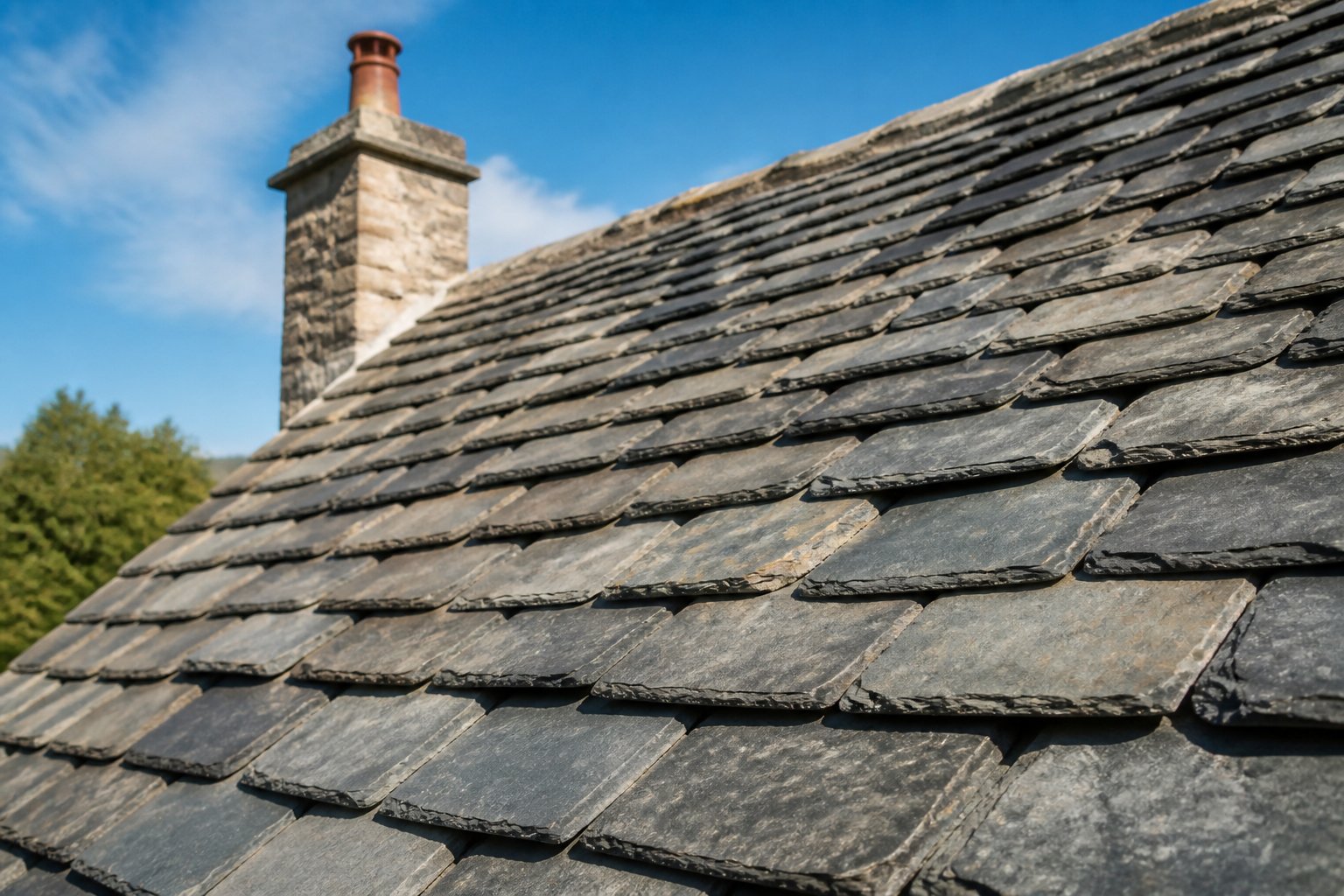
You are standing on a ladder looking at a 120-year-old slate roof that needs 30 replacement pieces in a color no quarry currently produces. Your spec calls for authentic architectural salvage slate roofing, and three suppliers claim to have it.
The problem is that only one of them may actually be pulling material from verified historic tear-offs. The others are relabeling mixed-lot surplus as "salvage." Knowing the difference protects your budget, your timeline, and the finished roof.
Reclaimed Slate Roofing operates as a direct-source supplier of hand-inspected reclaimed slate and clay tile from verified historic structures, shipping most orders within two to five business days at wholesale pricing with no retail markup.
That model exists because architectural salvage, done right, requires a specific chain of custody from the demolition site to your job site. In this guide, you will find how to distinguish genuine demolition-sourced slate from salvage-label material and why reclaimed slate matches existing roofs better than new quarry stock.
You will also see what the hand-inspection and culling process involves, and how real salvage inventory moves from tear-off to freight delivery. Every section is written for roofers, contractors, and architects who need sourcing specifics they can act on.
How to Tell Real Demolition-Sourced Slate From Salvage-Label Material
Genuine salvaged slate comes off a documented roof system, not from a mixed pallet at a general resale yard. The distinction matters because it affects thickness consistency, structural reliability, and whether the material will actually match your existing field.
What Verified Historic Buildings Add to Material Credibility
Slate pulled from a verified historic building carries provenance you can trace. When a supplier can name the building, the region, and the approximate installation date, you gain data points that confirm the stone type, expected service life remaining, and original quarry characteristics.
A batch from a demolished 1890s schoolhouse in Pennsylvania, for example, will almost certainly be Peach Bottom or Chapman slate in predictable thicknesses of 3/16" to 1/4".
Provenance also matters for historic preservation projects. The National Park Service recommends slate replacement in kind to match existing material, and using slate from a known historic structure simplifies that documentation. Without building-level sourcing data, you are trusting a label rather than a record.
Why General Salvage Yards and Mixed Reclaimed Materials Are Not the Same as Roofing-Specific Supply
A general salvage yard stocks doors, mantels, ironwork, and whatever roofing material happened to come in on the last demolition load. Roofing slate in that environment is often unsorted by size, color, or grade.
You may find 16" x 8" pieces mixed with 20" x 10" random-width stock, some delaminated, some sound, with no consistent culling standard applied.
A roofing-specific reclaimed supplier sorts by size range, sounds every piece for cracks, and culls anything with structural compromise before it ships. That process is the difference between usable roofing stock and a pallet of mixed stone you will spend hours sorting on site.
How Authentic Patina Differs From Cleaned or Reworked Surface Appearance
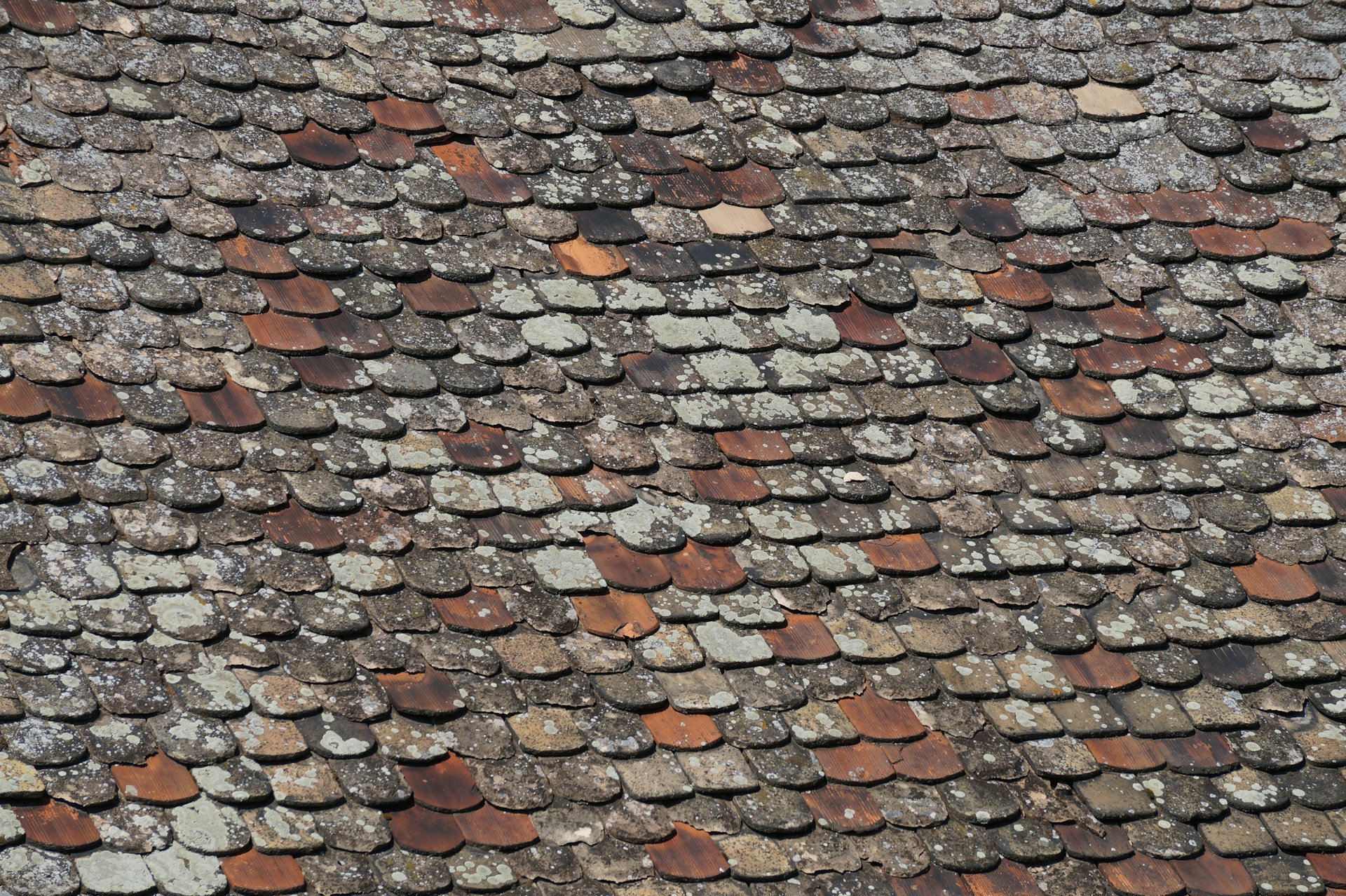
Authentic patina develops over decades of weather exposure. It creates a surface film that is visually distinct, with soft color shifts and mineral deposits that cannot be replicated by wire brushing or acid washing.
Cleaned or reworked slate often shows uniform coloring and exposed grain that reads as freshly cut rather than naturally aged.
On a roof field, the difference is visible from the street. Patina also functions as a protective layer. Removing it exposes fresh stone to accelerated weathering in the first years after reinstallation.
Material with original patina left intact weathers into an existing roof rather than standing out against it, which leads directly to the question of matching.
Why Reclaimed Slate Often Matches Better Than New for Repair and Replacement
Reclaimed slate from the same era as your existing roof already shares the color drift, surface texture, and thickness profile that decades of weathering produce. New quarry stock, even from the same geological formation, arrives with a freshly split face that will take 15 to 25 years to approach the tone of the surrounding field.
Color Weathering, Texture, and Thickness Across Existing Roof Fields
Slate roofing changes color over its service life. Vermont unfading green stays relatively stable. Vermont weathering green shifts toward grey-brown within a few decades. Peach Bottom black softens to charcoal.
These shifts happen unevenly across a roof depending on sun exposure, moisture, and slope orientation.
Reclaimed slate sourced from a similar vintage already carries that weathering. When you install it into a repair zone, the color blends within one or two seasons rather than decades.
Thickness matters too; historic American slate was typically split between 3/16" and 5/16", and reclaimed stock from the same period lands in that range naturally, keeping your coursing line level.
When Vermont Slate and Other Legacy Types Matter for Visual Continuity
Vermont slate dominated American roofing from the 1850s through the mid-1900s, and its color range includes unfading green, sea green, purple, grey, and mottled varieties.
If you are patching a Vermont slate roof, quarry-matched new stock may be available, but the color will not match the aged field for years. Heritage slate colors such as Buckingham black from Virginia are even harder to source new, as many of those quarries have closed permanently.
Reclaimed inventory from the same quarry region and era closes that gap immediately. A contractor working a Buckingham black roof can review batch photos of reclaimed Buckingham black slate and confirm the visual match before the order ships.
Why Synthetic or Newly Quarried Alternatives Can Miss the Existing Roof
Synthetic slate products are manufactured composites designed to mimic the look of natural stone. They are lighter, typically 1/4 the weight per square, and carry a different surface sheen. On a full new roof, they can look fine from the ground.
Set a synthetic piece next to a 100-year-old natural slate, and the difference is obvious in texture, edge profile, and reflective quality.
Newly quarried natural slate is a closer match, but as the NPS notes, how long slate roofs last depends on stone type and installation quality, ranging from 60 to well over 125 years. A freshly split piece simply has not had time to develop the surface character of the existing roof. That visual gap persists for years after installation.
What Hand-Inspection, Sounding, and Culling Actually Involve
Every piece of reclaimed slate gets picked up, flipped, tapped, and either accepted or rejected before it goes on a pallet. This is not a symbolic step. It is the process that separates roofing-grade stock from decorative rubble.
Checking for Edge Damage, Cracks, Delamination, and Wear
Hand inspection starts with a visual pass. Inspectors look for chipped edges, hairline cracks running from nail holes, and signs of delamination where the stone layers are separating. Sounding means holding the slate by one corner and tapping it with a knuckle or small hammer.
A clear, ringing tone indicates solid stone. A dull thud signals internal fractures or delamination that may not be visible on the surface.
Pieces with minor edge chips may still be usable depending on the project tolerance, but anything with active delamination, through-cracks, or soft spots gets culled. A detailed look at how to evaluate reclaimed slate quality covers what to look for at each stage.
How Grading Affects Installation Efficiency and Finished Appearance
Grading sorts accepted pieces by thickness, size range, and surface condition. Consistent thickness within a batch, typically within 1/16" variance, keeps your coursing flat and reduces shimming on the job site.
Size grading by length and random width (for example, 20" x random widths between 9" and 14") lets your crew lay courses efficiently without constant re-sorting.
- Grade 1 (Standard): Uniform thickness, clean edges, no visible delamination, sound ring on tap
- Grade 2 (Rustic/Character): Minor edge wear, slight thickness variation, original nail holes intact, suitable for projects where aged appearance is preferred
- Cull: Delaminated, cracked through, or soft-sounding pieces removed from the batch entirely
What Roofing Contractors Should Confirm Before Approving a Batch
Before you approve a shipment, request batch photos that show representative pieces from the lot. Confirm the size range, thickness tolerance, and approximate piece count. Ask whether the batch has been sounded and culled or simply sorted by size.
Any supplier offering authentic reclaimed roofing materials should be able to answer these questions without hesitation.
You should also confirm the waste factor built into the count. Reclaimed batches typically carry a 5% to 10% allowance for field breakage during installation. That factor should be reflected in your order quantity before crating begins.
How the Sourcing Chain Works From Tear-Off to Jobsite Delivery
Reclaimed slate enters the supply chain when a historic roof is torn off during a renovation or demolition. The material is hand-stripped, sorted at the recovery site, and transported to a staging location for inspection and grading.
Recovery From Historic Roof Systems and Initial Sorting
Tear-off crews remove slate by hand rather than machine to preserve as many intact pieces as possible. On-site sorting separates obviously broken material from candidates worth inspecting further.
Pieces are loosely grouped by size and stacked on pallets for transport. The building's location, age, and original stone type are recorded as provenance data that follows the batch through the rest of the chain.
Crating, Palletizing, Freight Coordination, and Delivery Timing
After grading, accepted pieces are crated and palletized for freight shipping. Crating protects against transit damage. Palletizing keeps the load stable for forklift unloading at the job site.
Contractor delivery logistics include liftgate service on request, delivery scheduling, and tracking details provided before shipment. Most orders ship within 2 to 5 business days of order confirmation.
Why Real Salvage Inventory Is Variable Unlike a Fixed Catalog Model
Reclaimed roofing inventory depends entirely on what historic buildings are being torn off at any given time. A supplier might have 40 squares of 20" grey Vermont slate this month and none next month.
This variability is actually a sign of authenticity. A supplier with unlimited stock of every size and color in a fixed catalog is likely selling new or reproduction material.
That variability also means you should confirm availability early in your project timeline, especially for rare colors and sizes that may not reappear once a batch sells.
Where Slate Fits Alongside Other Heritage Roofing Materials
Slate is the dominant choice for historic restoration roofing, but it is not always the right match. Some buildings were originally roofed with clay tile, architectural sheet metal, or a combination, and identifying the correct material prevents a costly mismatch.
When Clay Tile and Tile Roofing Are Better Matches for a Project
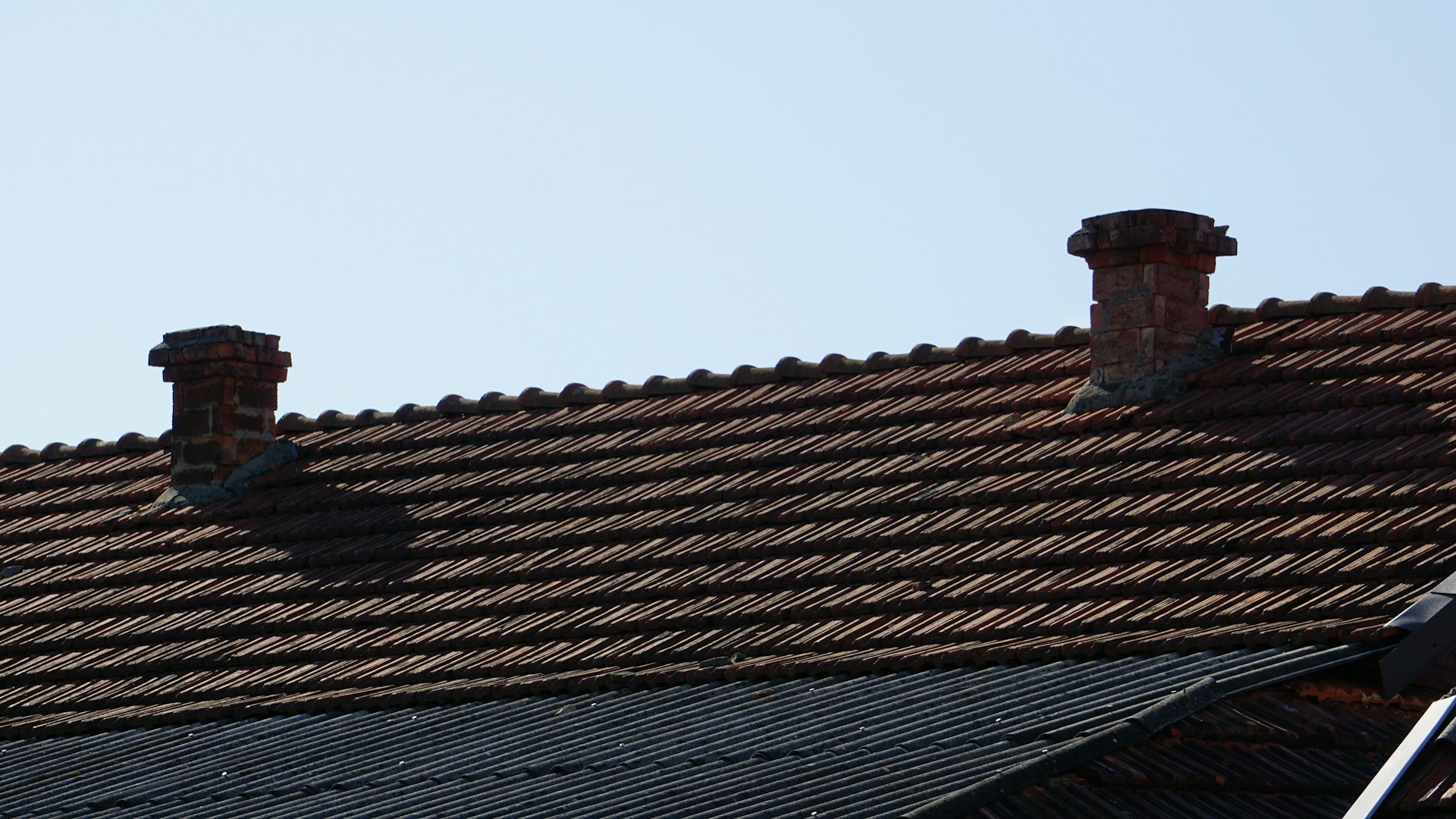
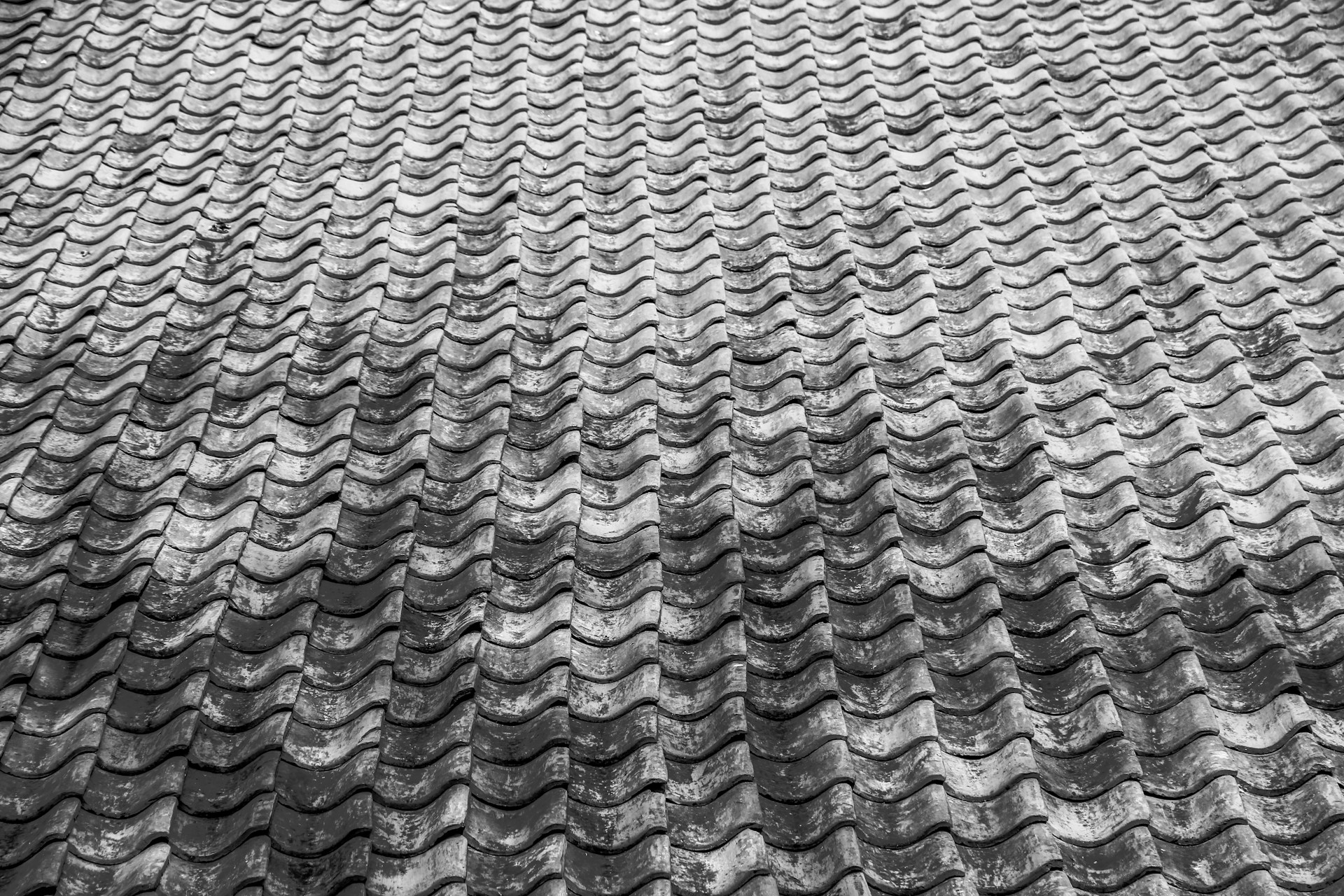
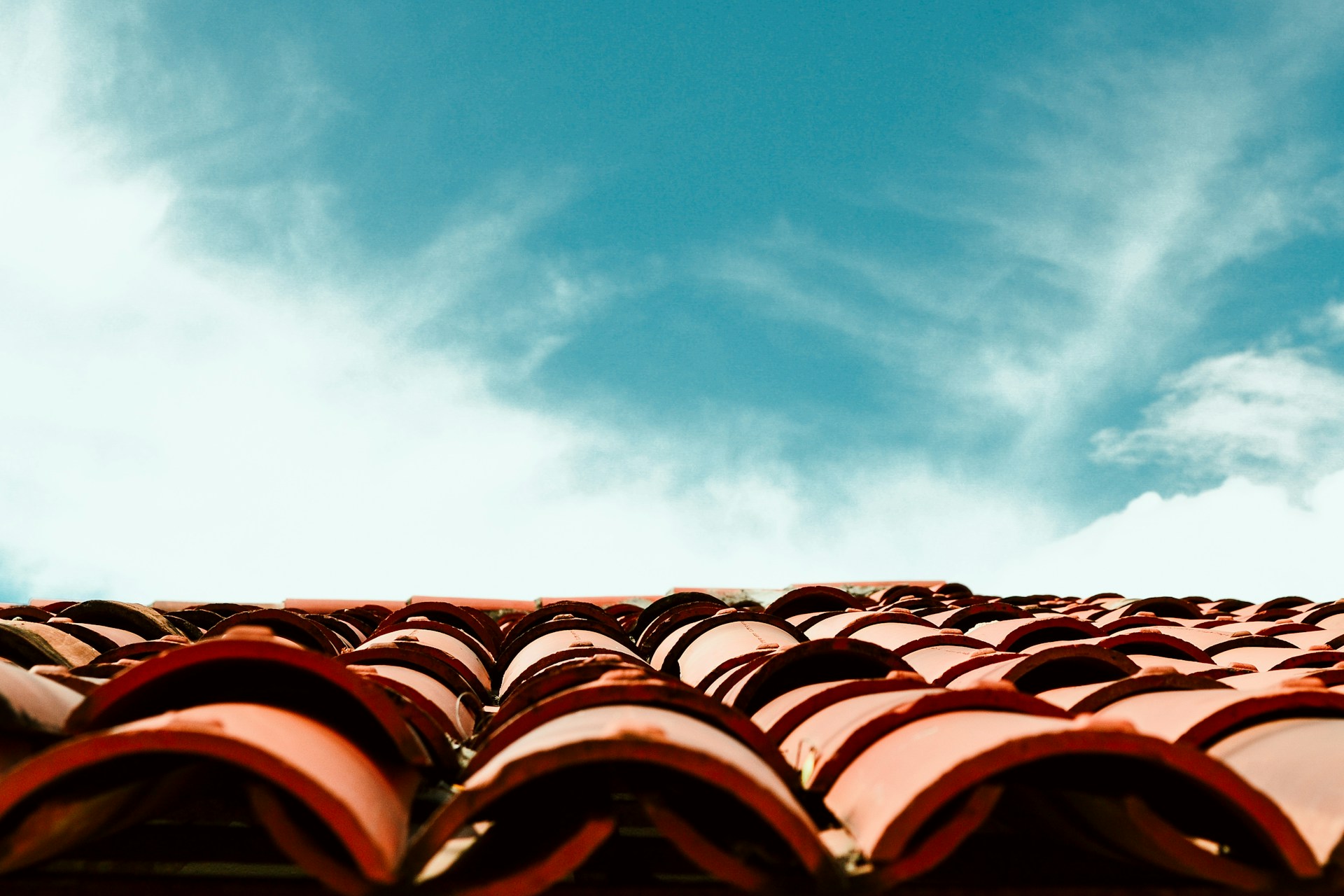
Clay tile roofing is the correct match for Spanish Colonial, Mission Revival, Mediterranean, and certain Arts and Crafts structures. If the original roof was barrel-profile terra cotta, replacing it with slate changes the building's character and may violate preservation guidelines.
Reclaimed clay tile carries the same patina and profile advantages as reclaimed slate: aged color, original surface, and period-correct dimensions that new production tiles cannot replicate.
How Architectural Sheet Metal Complements Salvaged Roof Systems
Many historic slate and tile roofs incorporate architectural sheet metal at valleys, ridges, flashings, and dormers. Copper, terne-coated steel, and lead-coated copper were standard for these details through the early 1900s.
When you are sourcing reclaimed slate for a restoration, plan the metal components at the same time. New copper against 100-year-old slate works aesthetically because copper patinas quickly. Cheaper substitutes like painted aluminum will look wrong within a year.
Why Roofing Salvage Is Different From Reclaimed Wood or Flooring
Reclaimed wood and flooring are often cleaned, milled, and refinished before resale. Reclaimed roofing material retains its original surface because that surface is the product. Cleaning, grinding, or refinishing a piece of salvaged slate removes the patina that makes it match an existing historic roof.
The environmental case for reclaimed roofing also differs from wood reclamation because slate and clay tile require zero reprocessing energy. They go from one roof to another with only inspection in between.
What to Ask Before You Place an Order
The right questions before you commit protect you from batch mismatches, surprise costs, and delivery delays that stall a project.
Questions About Origin, Batch Photos, and Quantity Consistency
Ask where the slate was recovered, what building it came from, and whether the supplier can provide batch photos showing representative pieces.
Confirm whether the entire order will come from a single batch or multiple sources, since mixing batches can introduce visible color and thickness variation across your roof field. A credible supplier of builder-direct heritage slate should answer all of these questions before you approve.
Lead Times, Final Sale Terms, and Freight Damage Procedures
Reclaimed slate is typically sold as final sale because of the nature of the material. Confirm the lead time (most orders ship within 2 to 5 business days), and ask about liftgate service and delivery scheduling. Understand the freight damage policy.
Inspect crates on arrival and report any shipping damage within 48 hours so the supplier can initiate a carrier claim on your behalf.
Choosing Material for Repairs, Additions, or Full Roof Work
For spot repairs, you need a tight color and thickness match to the existing field, so request specific batch photos and compare them against your existing slate. For full roof replacement, you have more flexibility on color variation since the entire field will be new.
For additions or dormers tied into an existing roof, order extra from the same batch and store the surplus for future repairs.
- Spot repair: Match color, thickness, and size to existing coursing
- Full replacement: Prioritize batch consistency over exact match to old roof
- Addition or dormer: Order 10% to 15% extra from the same batch for future patch work
- Mixed project: Confirm whether the supplier can hold inventory across multiple shipments
Frequently Asked Questions
How Do You Verify Reclaimed Slate Is Job-Site Ready, Hand-Sounded, Sorted by Thickness, and Free of Delamination?
Each piece should be held by one corner and tapped; a clear ring means solid stone, while a dull thud signals internal fracture. Sorting by thickness within 1/16" variance keeps coursing flat without shimming. Any credible supplier should be able to describe their sounding and culling steps in detail before you order.
What Should a Contractor Expect to Pay per Square for Salvaged Slate, and What Drives the Spread in Pricing?
Reclaimed slate pricing varies based on color rarity, size, thickness consistency, and available quantity. Common grey and black reclaimed slate in standard sizes typically costs less than rare colors like Buckingham black or Vermont purple. Freight distance and batch size shift the cost per square further.
Are Old Roof Slates Worth Anything, and How Do Color, Size, and Sourcing Region Affect Resale Value?
Yes. Salvaged slate from closed quarries or in rare colors commands higher prices because no new supply exists. Larger formats (20" and above) and consistent batches are worth more than mixed random lots. Provenance from a known historic structure adds value for preservation-focused buyers.
What Is the Major Disadvantage of a Slate Roof in Restoration Work: Weight, Fastening, or Breakage During Handling?
Weight is the most common structural concern, as natural slate weighs 700 to 1,000 pounds per square foot depending on thickness. Framing must be evaluated before installation. Breakage during handling is the second biggest risk and is managed through careful crating, palletizing, and on-site handling protocols.
How Do You Match Reclaimed Slate for a Heritage Roof Repair When the Original Is Vermont Green, Purple, or Buckingham Black?
Request batch photos and compare them side by side with a sample from your existing roof. Confirm the stone type, quarry region, and thickness range. For Buckingham black or Vermont Purple, availability is limited, and batches sell quickly, so confirm stock early in your project planning.
What Should Be Included in a Builder-Direct Quote for Reclaimed Slate: Waste Factor, Crating, and Job-Site Delivery Timelines?
A complete quote should include piece count with waste factor (typically 5% to 10%), crating and palletizing costs, freight charges to your delivery point, and estimated ship date. Ask whether liftgate service is included or an add-on, and confirm the delivery scheduling process.
Getting Real Salvage on Your Next Roof
Authentic architectural salvage slate roofing is not a commodity you order from a catalog. It is variable, provenance-dependent material that demands a supplier who knows the difference between a verified historic tear-off and a relabeled mixed lot.
The whole guide comes down to one habit: verify origin, inspect the batch, and confirm logistics before you commit. When your next restoration or heritage build calls for slate that has to match an existing field, provenance is the thing you cannot fake.
Reclaimed Slate Roofing can trace a batch to its historic source, send you photos of the actual pieces, and put verified salvage on a truck to your site. Call 225-954-8393 to confirm what is in stock right now, or browse current inventory at reclaimedslateroofing.com.