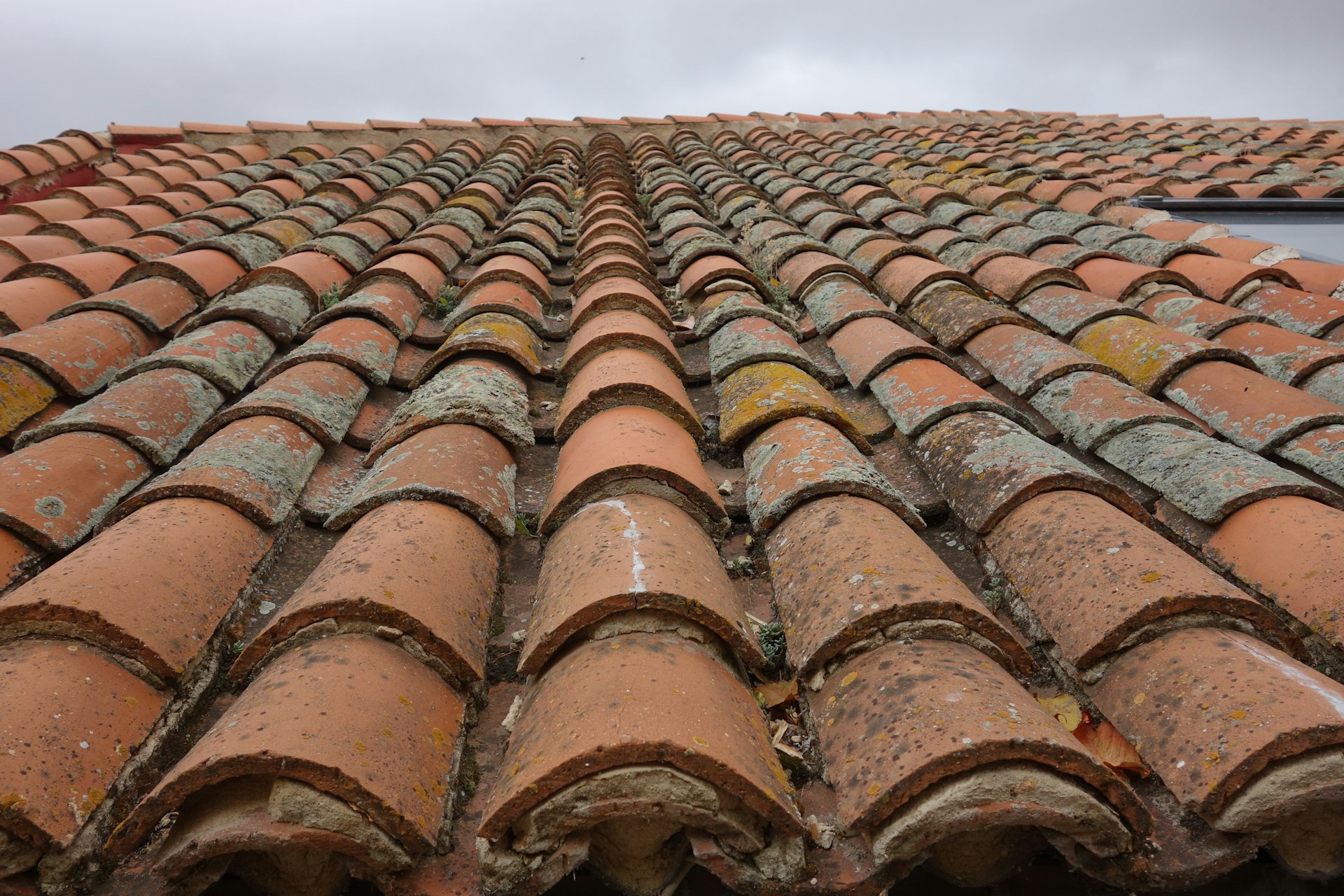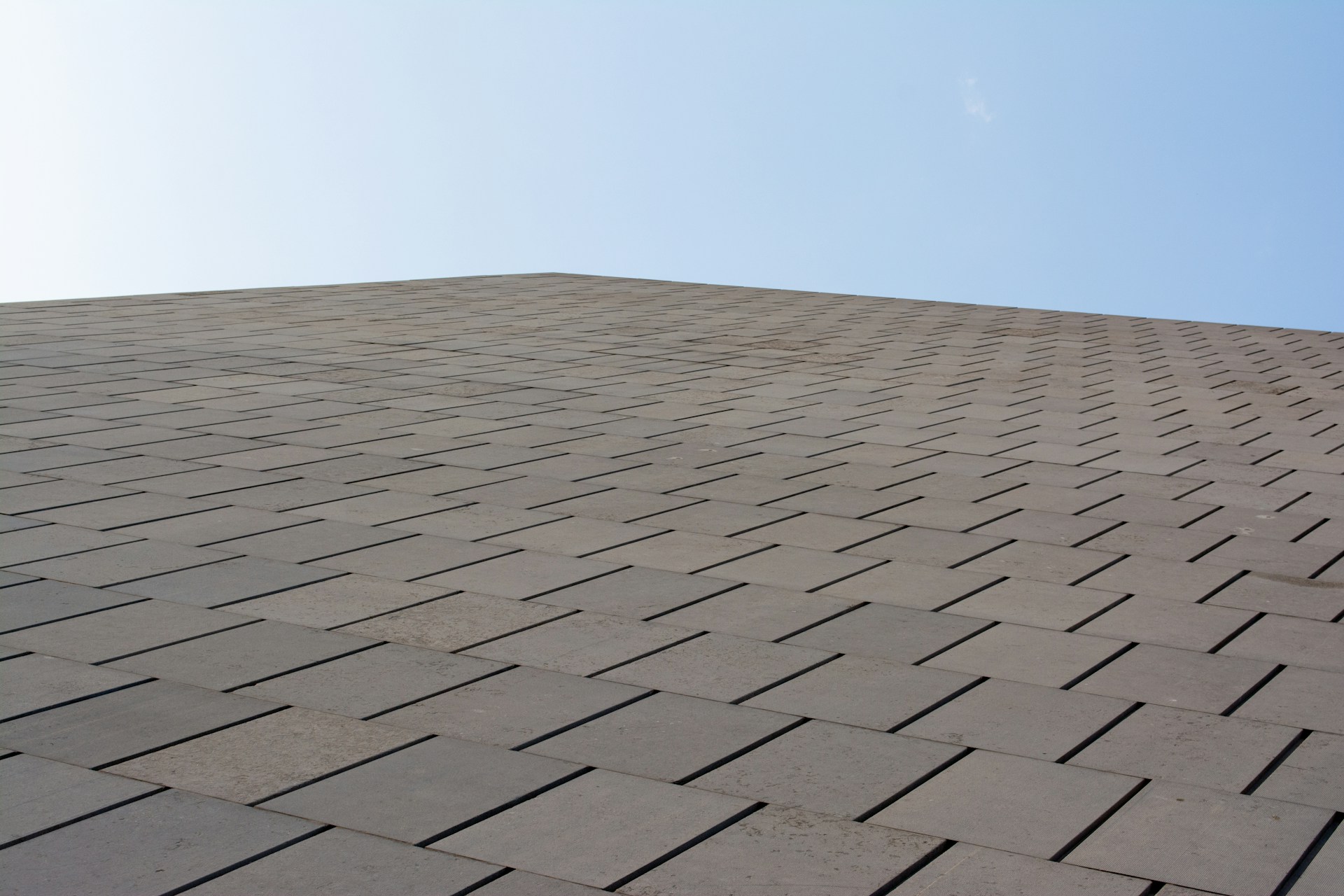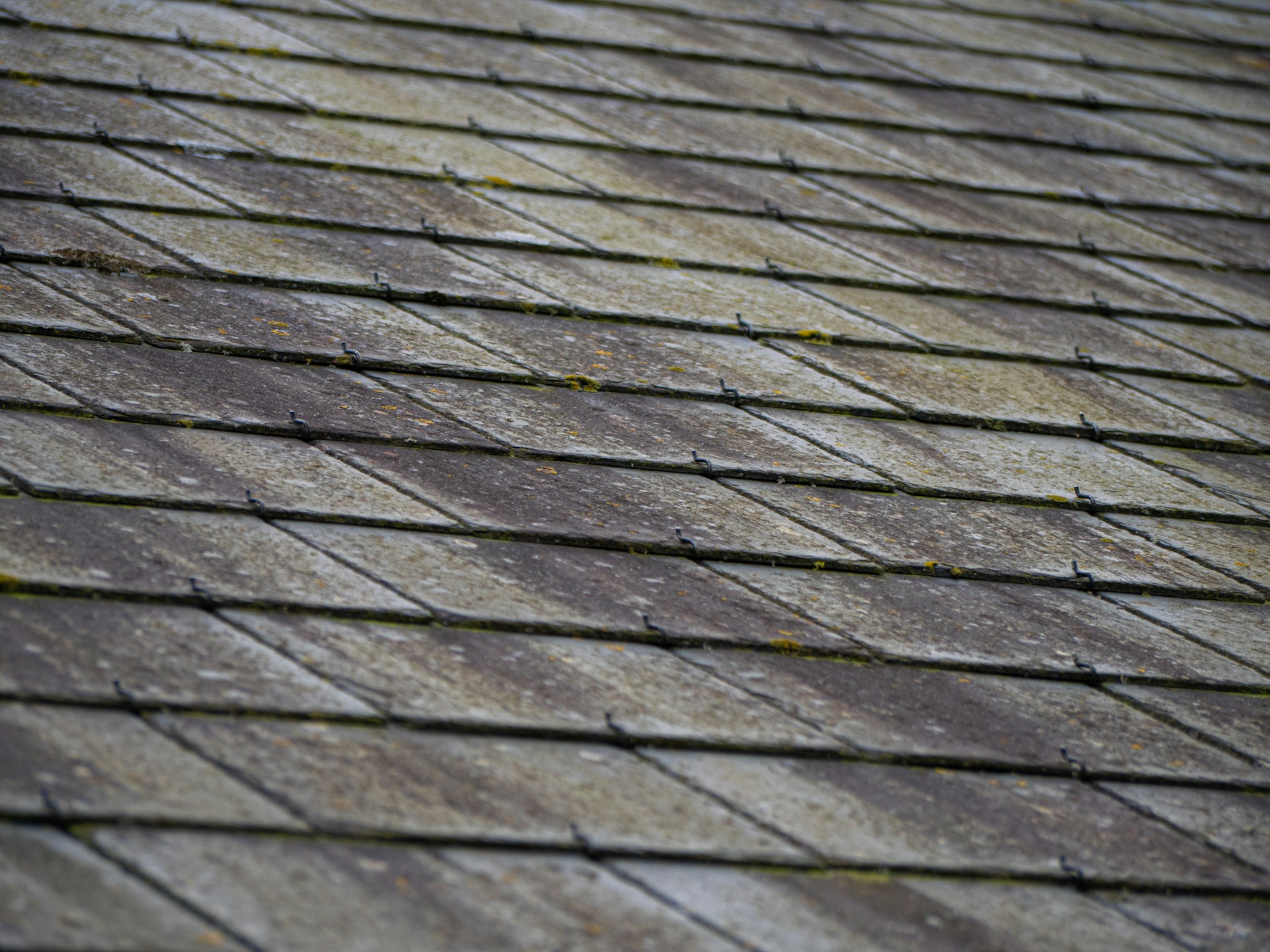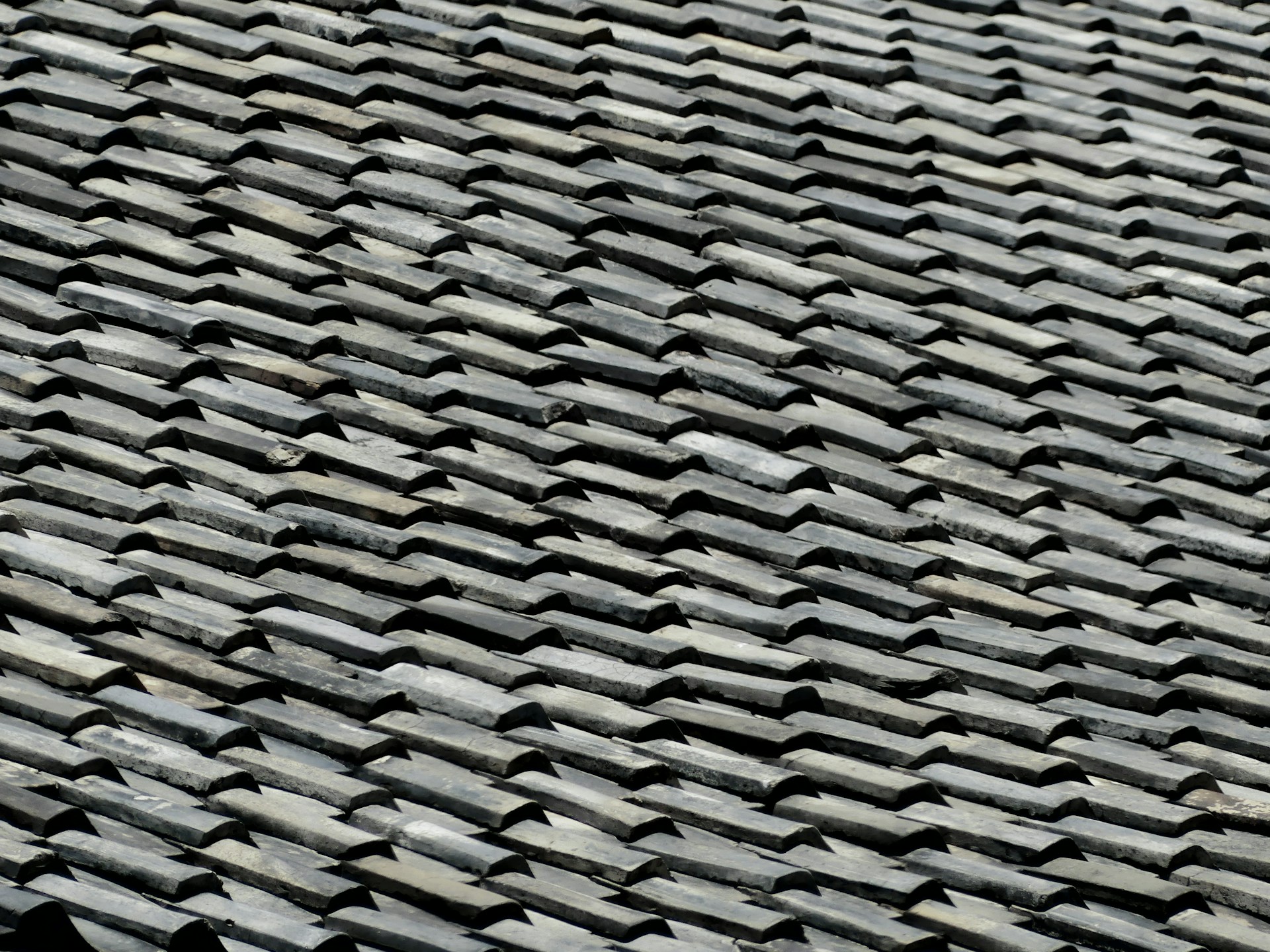
Coastal roofing demands materials that handle salt exposure, wind, and constant sun without breaking down. Reclaimed slate and clay tile are well suited for these conditions. They are dense, weather-tested, and proven over decades of real use, making them a reliable option for both restorations and high-end coastal builds. They also reduce waste by keeping durable materials in circulation.
This article covers how reclaimed roofing performs in coastal environments, what to inspect before installation, and the key practices that protect against corrosion and wind damage. It also outlines maintenance considerations and design factors specific to coastal projects.
Reclaimed Slate Roofing supplies reclaimed slate and clay tile that are inspected, cleaned, and sorted for reuse. Materials are prepared for consistent installation and shipped directly to jobsites, helping contractors and architects secure durable, coastal-ready roofing without delays.
Reclaimed Roofing Materials
Reclaimed roofing gives you real slate, clay, or terracotta tiles that have already survived the elements. You get materials with character, lower embodied carbon, and a need for careful selection and fitting for coastal exposure.
Types of Reclaimed Roofing Options
Reclaimed slate: Dense, thin stone with a long service life. Slate shrugs off salt air and wind when it’s sound and properly flashed. Look for even thickness and watch out for hairline splits.
Reclaimed clay and terracotta: Fired tiles with rich, baked-in color and good sun resistance. In coastal zones, pick tiles without deep cracks or heavy frost spalling.
Antique metal and specialty pieces: Copper ridges, lead flashings, and terra cotta finials sometimes last decades. You can reuse these for authentic detailing, but be ready to rework or reshape some.
When you’re sorting through batches, check for solid edges and decent color match. Small chips? Patchable. Big breaks? Toss ‘em. Pack tiles by grade so installation goes smoother and you waste less.
Benefits of Using Reclaimed Materials
Reusing old stone and clay means you cut down on the carbon that comes with quarrying or making new stuff. That’s a win for the planet and doesn’t mean you’re sacrificing lifespan.
Reclaimed materials usually match historic profiles and textures way better than modern copies. That helps you meet preservation rules and keep the look consistent.
You can save money on premium materials that would cost a fortune new. If you go builder-direct and stick with inspected batches, you cut the risk of mismatched shipments.
Finding rare colors or shapes can take longer, but if suppliers keep good stock, shipping’s quick. Using vetted reclaimed pieces helps avoid surprises or headaches once you’re on-site.
Sourcing Quality Reclaimed Roofing
Always check batches before you buy. Ask for photos, thickness ranges, and breakage rates. Demand clear grading: A-grade (sound), B-grade (minor chips), and a reject list.
Verify where the material came from and ask about testing. Make sure tiles came off roofs that lasted decades, not just a few years. Watch out for hidden corrosion in metal pieces or biological growth covering damage.
Ask how they prep the tiles. Cleaned, de-mossed, and kiln-dried pieces install better. Reclaimed Slate Roofing inspects and preps batches, offering sealed shipments that speed up your job.
Plan for delivery: palletized loads, protective packing, and timing that fits your crew. Less handling damage, fewer delays.
Challenges of Coastal Environments
Coastal roofs have three big enemies: salt and minerals that eat away at materials, high humidity that speeds up weathering and moss growth, and strong winds that test every nail and flashing.
Saltwater Exposure and Roofing Materials
Salt spray leaves crystals on tiles and underlayment. Salt draws in moisture and speeds up metal corrosion—nails, flashings, fasteners, all of it. Use stainless steel, copper, or hot-dip galvanized fasteners to keep rust at bay.
Slate and clay handle salt better than most metals, but thin or damaged pieces can trap salt in cracks. If you can, rinse roofs after storms to wash off surface salt. Keep an eye on metal flashings for pitting and swap out anything that’s corroded.
Use sealants only if they’re compatible with reclaimed materials. Don’t trap moisture inside old slate or tile. Keep a record of what fasteners and flashings you used—future you (or someone else) will thank you.
Humidity and Weather Effects
High humidity keeps roofs damp longer after rain. That means more moss, algae, and lichen on reclaimed tiles. These little guys lift tiles, hold water, and can loosen mortar around valleys and chimneys.
Ventilation and underlayment make a difference. Go with breathable underlayment and make sure your attic’s ventilated so things dry out. Clean gutters and valleys often—standing water will wreck flashings and underlayment in no time.
Salt plus humidity? It’s a recipe for faster biological growth and chemical attack than you’d see inland. Schedule inspections twice a year and after big storms to catch issues before they get serious.
Wind Resistance Requirements
Coastal winds often blow past what standard roofing components are rated for. Reclaimed slate and clay are heavy—that helps with uplift—but loose or worn tiles won’t cut it. Nail patterns, headlaps, and mortar have to meet wind-rated details.
Use hurricane clips or upgraded fastening where codes say so. Don’t bother patching brittle or broken tiles—replace them. Pay close attention to eaves, ridges, and hips, since that’s where wind tries to rip things up.
Take photos and note fastener specs during install and repairs. Good records help prove you’re up to code and make future fixes less of a hassle.
Advantages of Reclaimed Roofing for Coastal Areas
Reclaimed roofing gives you tough, proven materials that cut waste and often fit classic coastal styles. Expect better resistance to salt, wind, and sun, and usually you’ll save on long-term repairs.
Sustainability and Environmental Impact
When you reuse slate, clay, or terracotta, you keep tons of roofing out of landfills. You’re putting century-old materials back to work instead of buying new, energy-hungry stuff.
These reclaimed pieces already survived decades of storms. You’ll need fewer replacement parts and your project’s carbon footprint drops. Want certified reclaimed stock? Ask for inspected batches with minimal cracking and even thickness.
Using reclaimed materials also supports local restoration. You keep the regional look and skip the hidden emissions from quarrying, making, and shipping new stone.
Enhanced Durability Against Coastal Elements
Natural slate and fired clay stand up to salt spray, UV, and strong winds—no surprise, since many reclaimed slates came off coastal buildings that survived decades.
Pick thicker, well-inspected tiles to avoid breakage and edge splits. Install them with corrosion-resistant fasteners and use underlayment meant for marine conditions to keep out moisture and stop nail rust.
Check reclaimed stock for hairline cracks and consistent thickness. With modern flashing and ventilation, reclaimed roofing often leaves newer, cheaper alternatives in the dust—especially on the coast.
Cost-Effectiveness in Coastal Applications
Reclaimed roofing usually lowers long-term costs since the materials already paid their dues. You’ll pay less for premium stone than for new slate of the same quality.
Add up less frequent replacements and lower maintenance. Sure, you’ll spend some time on inspection and selection, but you’ll probably save on materials, landfill fees, and future reroofs.
If your supplier vets and ships quickly, you dodge project delays. That’s huge on coastal jobs, where weather windows are tight and downtime gets expensive. Reclaimed Slate Roofing can send inspected batches ready to go, so you keep your schedule moving.
Inspection and Preparation for Installation
Check every reclaimed tile for cracks, thickness, and soundness before you start. Prep the roof deck, underlayment, and flashings to handle wind-driven salt and moisture.
Evaluating Reclaimed Material Condition
Look over every tile or slate by sight and by hand. Hunt for hairline cracks, splits, or weak spots. Tap questionable pieces—a clear ring is good, a dull thud means pitch it.
Sort tiles by thickness, size, and profile into labeled stacks. Use thicker pieces on lower rows, where the stress is heavier. Keep 10–20% extra on hand for coastal jobs since wind and handling losses are higher.
Check for old iron stains, leftover nails, or embedded metal. Yank out corroded metal and test any you’re keeping for salt contamination. Clean or toss affected tiles. Keep track of batch origin and grade so you can trace any issues later.
Preparing Roof Structure in Coastal Zones
Make sure the roof deck is solid, straight, and fastened tight to handle uplift. Replace any soft or wet sheathing, and use corrosion-resistant fasteners—stainless or hot-dip galvanized, whatever your code says. Space blocking and clips to match local wind-load rules.
Put down a high-performance, vapor-permeable underlayment made for coastal exposure. Add self-adhering membrane at eaves and valleys to block wind-driven rain. Use lead-free or coated flashings to avoid stains on reclaimed tiles.
Seal up roof penetrations well and think about a drip-edge with weep holes where salt spray builds up. Store reclaimed materials off the ground, covered but ventilated, so they don’t pick up moisture or get scratched before install.
Installation Best Practices for Coastal Settings
Pick materials that stand up to salt, wind, and wet. Focus on solid fixing, extra waterproofing, and hardware that won’t rust out—your reclaimed roof will thank you.
Specialized Installation Techniques
Install reclaimed slate or tile with tighter overlaps and smaller exposure to cut wind uplift and leaks. Stagger courses so seams don’t line up with the prevailing wind. Cut and fit reclaimed pieces snug—don’t force odd tiles where they don’t belong.
Fit continuous eave and ridge flashings built for coastal wind. Add wind clips or toe-nail at every exposed edge, and throw in another clip every 3–4 tiles on steep slopes. On historic roofs, keep original nail patterns if you can, but swap in stainless fasteners.
Get roofers who know how to match reclaimed pieces. Use broken or thin slates in low-stress spots or cut them down for coverage.
Waterproofing and Sealing Approaches
Lay down high-performance underlayment with marine-grade specs under reclaimed roofing. Go for synthetic underlayments that can handle UV and salt spray—skip paper felts. Seal laps with butyl or compatible adhesive tape to keep water from sneaking under tiles.
If metal flashing might corrode, use non-bitumen polymer flashings. Bed valleys and step flashings with compatible sealant, and make sure vertical surfaces have counter-flashing tucked at least 2–3 inches behind siding or cladding. Keep roof penetrations to a minimum and use marine-grade rubber boots.
Check and replace sealant every year in salty air. Clean gutters and scuppers often—standing water speeds up damage on reclaimed roofs.
Selecting Appropriate Fasteners
Pick 316 stainless steel or hot-dip galvanized fasteners with thick coatings for coastal use. Stainless shrugs off salt; hot-dip galvanized works for short-term fixes but might rust faster. Skip plain carbon steel nails.
Match fastener length to tile thickness plus a solid grip into the deck—usually 1.5–2 inches into good wood. Use two fasteners per slate for wind resistance. For heavy reclaimed stuff, copper-clad stainless clips look old-school and hold tight.
Pre-drill brittle reclaimed slates so they don’t split, and use neoprene or rubber washers where you need a seal. Write down fastener type and spacing in your job plans so repairs down the line stick to your corrosion-resistant standards.
Maintenance of Reclaimed Roofs in Coastal Conditions
Salt, wind, and wet mean you’ve got to stay on top of cleaning, quick repairs, and regular inspections. Focus on rinsing off salts, swapping out damaged pieces, and tracking wear—your reclaimed roof could last generations if you keep an eye on it.
Routine Cleaning and Upkeep
Give your roof a rinse with fresh water every 3–6 months to knock off salt spray—salt eats away at nails and flashings faster than you’d think. Use a basic garden hose; pressure washers can crack old slate or knock mortar loose, and that’s just not worth it.
After storms and in the fall, clear out gutters and valleys. Leaves and debris trap moisture, and that’s a recipe for moss, which sneaks under tiles and lets water in. Trim back any overhanging branches to cut down on shade and falling debris.
Take a look at roof anchors, nail heads, and flashings at least twice a year. If you spot corroded metal, swap it out for marine-grade stainless or copper. Keep a simple log of when you clean and what you find—patterns show up over time, and you’ll catch small issues before they snowball.
Timely Repairs for Salt Damage
If you see white salt stains or rusty fasteners, don’t wait around. Salt crystals can flake slate and weaken mortar joints. Gently brush off loose salt with water, let everything dry, then get to repairs.
Replace rusted nails and bad flashings as soon as possible. Stainless or copper nails, sized to match the originals, hold up best for historic slate. If you run into cracked or delaminated reclaimed tiles, swap in another reclaimed piece that matches in thickness and color—keeps the roof performance and look right.
For mortar around chimneys or ridge caps, stick with a lime-based mix that’s compatible with the old stuff. Portland mixes are too hard and can trap moisture, making things worse. Jot down each repair in your log—photos and notes on materials help for next time.
Monitoring Roof Longevity
Take yearly photos of your roof and snap some after big storms. Comparing pictures makes it easier to spot changes—slate shifting, moss creeping in, or flashings looking rough. Sometimes a photo catches a slow leak or wind damage you’d miss otherwise.
After strong winds, count up any loose or missing tiles and note where they’re happening. If the same spot keeps failing, maybe there’s a framing or ventilation problem underneath. Good attic airflow and timely underlayment replacement help stretch the life of reclaimed materials.
Bring in a pro inspector every couple years, or more often if you’re seeing salt corrosion or sealant issues crop up. Their reports help you prioritize repairs and plan ahead for replacements—vetted reclaimed tiles from places like Reclaimed Slate Roofing make matching easier.
Design Inspiration Using Reclaimed Roofing
Reclaimed roofing brings texture, weathered colors, and real durability to coastal homes. You can pick tile types and layouts that fit your home’s vibe, all while keeping wind and salt in mind.
Aesthetic Options for Coastal Homes
Go for reclaimed slate if you want deep, natural tones like charcoal, green, or rusty brown that age well by the ocean. Mixing colors creates a mottled, antique look and hides salt stains or debris. Antique clay tiles add warm terra-cotta and patina—perfect for Mediterranean or cottage styles. For steep roofs, smaller tiles work best; larger ones suit low-slope, modern designs.
Accent pieces count. Copper ridge caps, aged lead flashings, and reclaimed terracotta details can tie your roof into railings and chimneys. Ask your supplier for color-matched bundles so repairs blend in over time.
Blending Function with Style
On exposed sites, thicker and intact reclaimed slate holds up better against wind-blown debris and freeze-thaw cycles. Use stainless fasteners and sealed underlayment built for salt air—you’ll protect the structure without hiding the reclaimed look.
Think about roof pitch and overhangs to help shed wind and rain. Steeper pitches work well for slate, moderate ones for clay. Plan for maintenance access, and stash a few spare reclaimed tiles from your order for future repairs. If you’re using Reclaimed Slate Roofing, request inspected, job-ready bundles and time the shipping to your install schedule.
Regulations and Certifications for Coastal Roofing
Coastal roofs face stricter rules thanks to wind, salt, and flood risks. You need to meet local building codes for wind uplift, corrosion resistance, and attachment methods. Only use reclaimed materials certified for strength and safety.
Local Building Codes
Check your local code for wind ratings—usually listed as a design wind speed or zone. Your roof has to meet fastener and underlayment standards for that rating. Inspectors want to see fasteners, flashings, and underlayment rated for coastal use.
Look for rules about corrosion-resistant metals and nail spacing. Some areas require stainless or hot-dipped galvanized fasteners within a certain distance of the coast. If you’re in a flood zone, pay attention to foundation and flashing rules under FEMA or local floodplain regs.
Permit plans should show how you’ll reuse materials and spell out your installer’s method. Have structural calculations ready if you’re lightening the roof or changing ties. Talking with the building department early can save a lot of time.
Certifications for Reclaimed Materials
Use reclaimed slates or tiles with a material condition report or milling test results. Those papers show thickness, breaking strength, and any cracks. You’ll need proof that each batch meets your project’s structural and weathering needs.
Ask for a certificate of origin and lead/PCB test reports if required. Coastal jobs often need salt spray or corrosion resistance tests for any metal paired with reclaimed tiles. Keep a chain-of-custody sheet showing inspection and prep for every shipment.
If you buy from Reclaimed Slate Roofing, request their batch inspection reports and shipping timelines. Store all certificates with your permit docs and hand them over at inspection.
Reclaimed roofing performs well in coastal environments when materials are properly selected and installed. Slate and clay that have already proven their durability offer reliable resistance to salt, wind, and sun, while maintaining the character expected in high-end coastal projects.
Success depends on preparation and consistency. Verified materials, corrosion-resistant fasteners, and proper installation methods ensure long-term performance. Regular maintenance, including inspections and cleaning, helps extend the life of the roof and prevents small issues from becoming costly repairs.
Reclaimed Slate Roofing supplies reclaimed slate and clay tile that are inspected, cleaned, and sorted for reuse. Materials are delivered ready for installation, helping contractors and architects maintain project timelines while using roofing suited for coastal conditions.
With the right materials and approach, reclaimed roofing provides a durable, efficient solution for coastal builds, combining long-term performance with reduced environmental impact.
Frequently Asked Questions
These answers focus on durable materials, corrosion resistance, wind attachment, and straightforward maintenance. You’ll find practical picks for long-term performance and cost control on the coast.
How do I choose roofing materials that can endure high winds and salt spray?
Go for materials rated for high winds and tested for salt corrosion. Metal panels with marine coatings, heavy clay tiles with stainless fasteners, or properly installed slate with copper or stainless flashings all work well.
Use corrosion-resistant fasteners and seal up penetrations with tape or gaskets. Attachment is key—clip systems and through-fastened roofs stand up to uplift better than loose-laid options.
What are the advantages of metal roofs in hurricane-prone regions?
Metal sheds wind fast and resists uplift if you fasten it right. Coated steel and aluminum won’t warp and dry out quickly after storms.
You’ll spend less on upkeep and get more years out of it than some organic materials. Just pick panels with tested wind ratings and use stainless or coated fasteners to avoid rust.
Can you suggest eco-friendly roofing options for beachfront properties?
Reclaimed slate and clay tiles reuse tough materials that have already proven themselves by the shore. They cut down waste and often last longer than newer products.
Metal roofs made from recycled aluminum are another solid choice—they’re low-impact and fully recyclable at the end of their life. Ask your supplier about recycled content and finish warranties.
Are there specific maintenance tips for roofs in humid and salty environments?
Rinse roofs with fresh water every 6–12 months to clear salt, especially after storms. Trim nearby trees to cut down on debris and moisture sitting on shingles or tiles.
Check flashings, fasteners, and sealants once a year. Swap out corroded fasteners and reseal any roof penetrations to prevent leaks and hidden rot.
What roofing materials offer the best longevity and reliability in coastal climates?
Natural slate and heavy clay tiles top the list for longevity—if you use corrosion-resistant metalwork and install them right. Well-detailed slate roofs can last a century by the sea.
Coated metals with marine-grade finishes also hold up for decades, as long as your fasteners and flashings resist salt corrosion.
Which roofing systems provide the most cost-effective solutions for seaside homes?
Metal roofs usually hit a sweet spot between initial price, low upkeep, and a long lifespan. They just make sense for folks who want value over time. Concrete or clay tiles aren’t bad either—they last ages, but you’ll need beefier roof framing to handle the extra weight.
If you’re into something with a bit more character, authenticated reclaimed materials like reclaimed slate from Reclaimed Slate Roofing might be worth a look. They can trim down material costs and still hold up well. When you’re weighing your options, don’t just look at price tags—think about total installed cost and what you’ll spend on maintenance down the road.