Your drawings call for slate on a steep Queen Anne turret. The house next door wears a 1920s barrel clay roof that has never been touched. Before you write the spec, you need a tile with the right shape and size. It also needs surface color built up over decades of rain, frost, and sun. A reclaimed classic roof tile is the right choice for period-correct work, because its patina comes from real weather that no factory can reproduce.
Salvaged slate and clay tile arrive with their history on the face. Purple slate, Mottled Green with Purple, and Buckingham Black are sold in 16-inch, 18-inch, and 20-inch random formats. Each one comes with its original, uncleaned surface. Barrel clay tiles carry the warm, uneven terra cotta tones of decades on an older roof. Every piece is hand-inspected, sounded, and culled before it ships. That gives you a heritage finish with a quality check behind it.
Keep reading to learn which historic profiles suit which rooflines and how a building's past shapes your choice. You will also see how color and format drive the design, what makes salvaged tile fit for specification, and how to source a match. If your project has a fixed crew date, know that most confirmed reclaimed slate orders ship within 2 to 5 business days.
Historic Tile Profiles and the Rooflines They Suit
Every period roof has a profile that belongs to it, and the wrong one shows from the street. Match the tile shape to the architecture first, then narrow down color and size.
Natural Slate for Traditional and Formal Rooflines
Slate belongs on steep, formal roofs where the roof itself is a design feature. Mansard roofs on Second Empire homes, sharp Gothic Revival gables, and busy Queen Anne roof planes all used slate heavily. Many used it in multi-colored patterns.
The National Park Service notes that standard historic slates ran about 3/16 inch thick and came in thirty sizes, from 10 by 6 inches up to 24 by 14 inches. Large institutional and church roofs were often graduated. The thickest, largest slates sat at the eaves and the smallest at the ridge.
For your spec, slate suits these building types:
- Second Empire and French roof houses with mansard slopes
- Gothic Revival and Collegiate Gothic buildings
- Queen Anne homes with turrets and many roof planes
- Tudor homes with textural, uneven slate courses
- Colonial Revival homes with plain, uniform slate
For a wider look at options, this guide to slate roofing materials covers stone types and grades.
Barrel Clay for Mission and Mediterranean Architecture
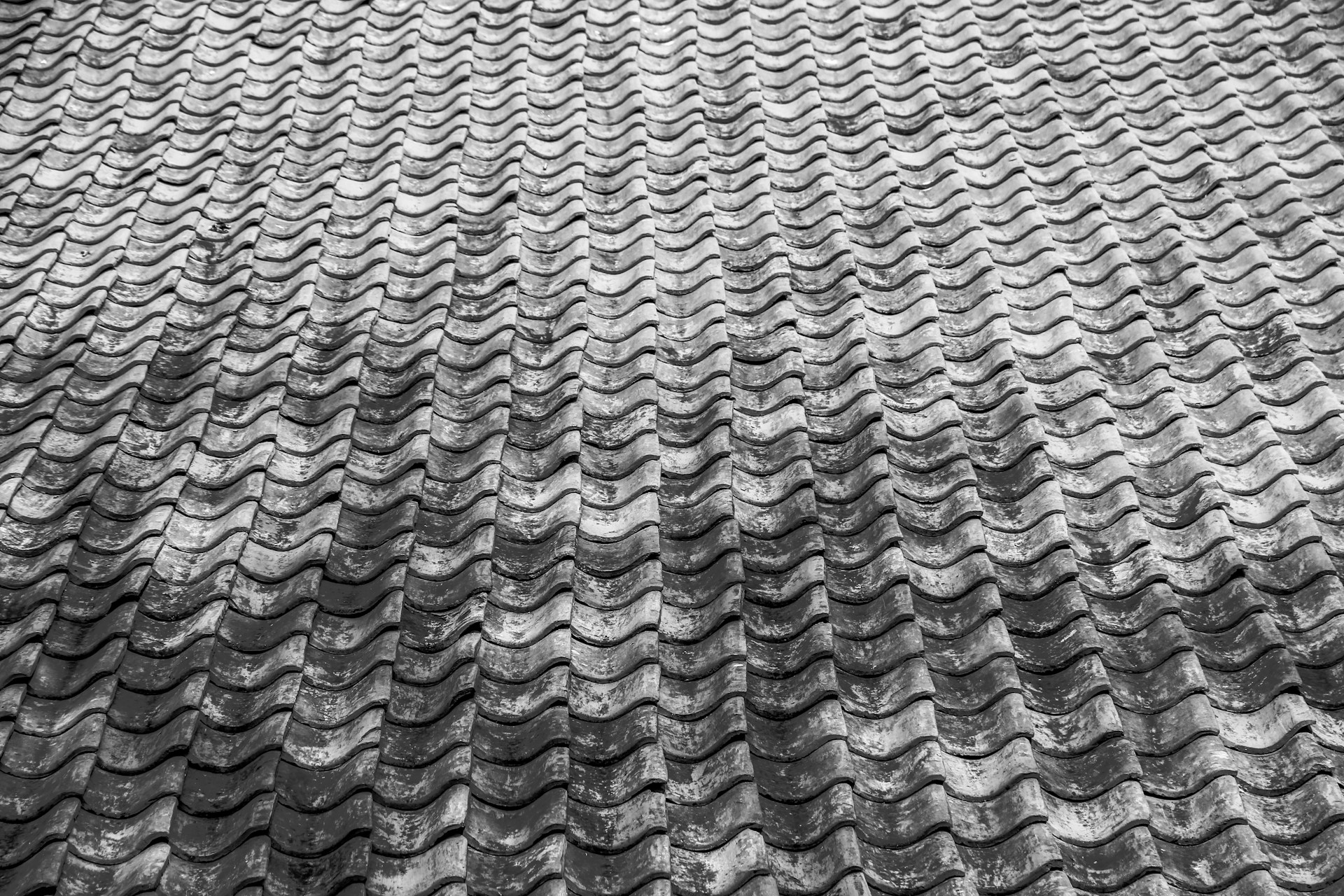
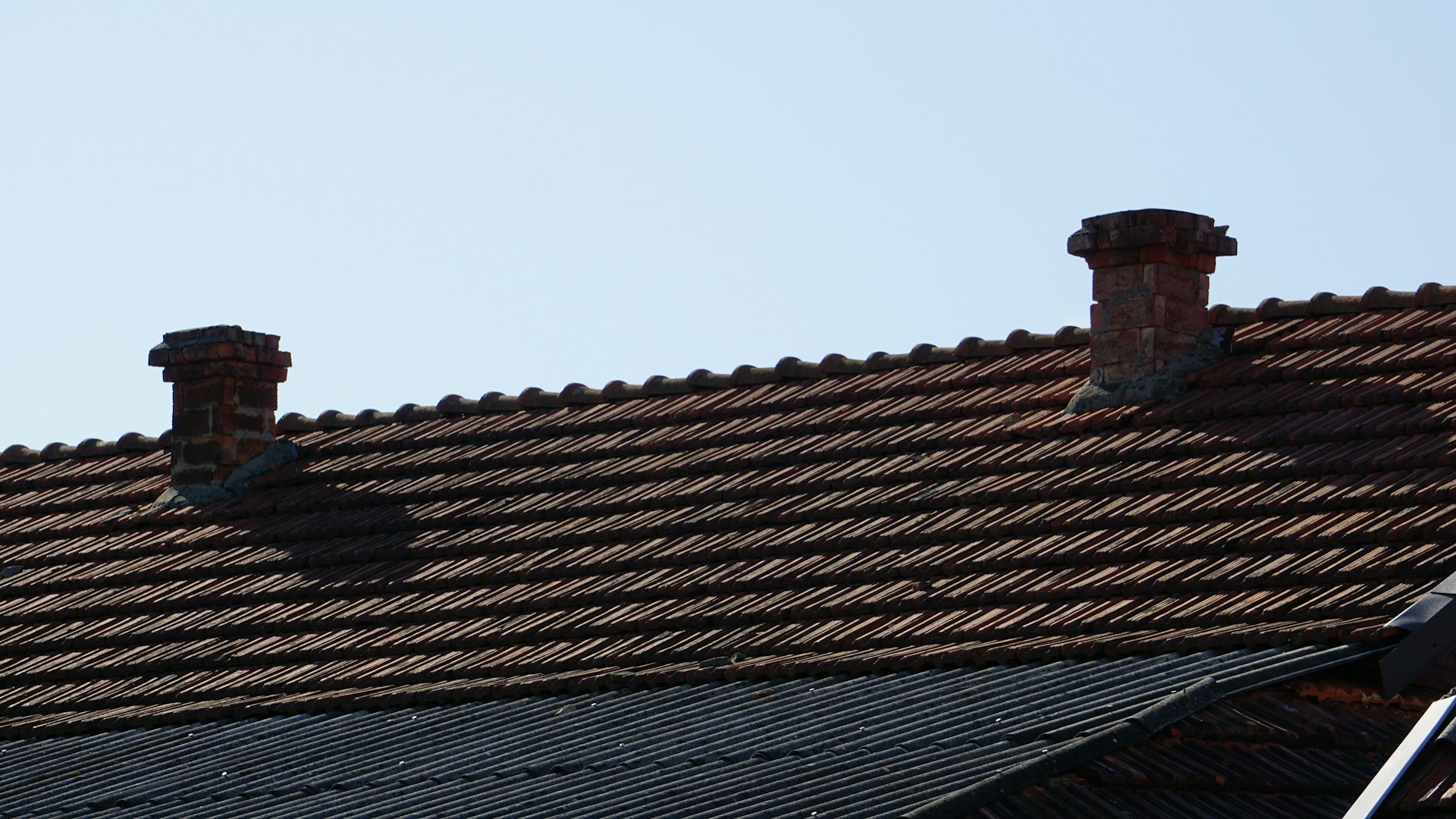
Barrel clay gives Spanish Colonial, Mission Revival, and Mediterranean homes their deep, rolling shadow lines. Mission tiles are single half-cylinders that overlap in rows. Spanish or "S" tiles are one-piece interlocking units, and the two names get mixed up often.
Clay tile grew popular again in the 20th century with Mission, Spanish, and Mediterranean Revival styles. It stayed strongest in Florida and California. Each barrel roofing tile creates deep shadow lines while shedding heavy rain.
A terra cotta red is the classic color, and it comes from iron oxide in the clay.
Reclaimed barrel clay roof tiles are kiln-fired, so the color runs through the body of the tile. For deeper profile guidance, see this resource on reclaimed clay roof tiles.
Flat Clay and Fish-Scale Tiles for Decorative Roofs
Flat clay tile is the oldest clay format in America. In the 17th and 18th centuries, flat tiles measured about 10 by 6 by 1/2 inches. They had two peg holes at one end for hanging on roofing laths.
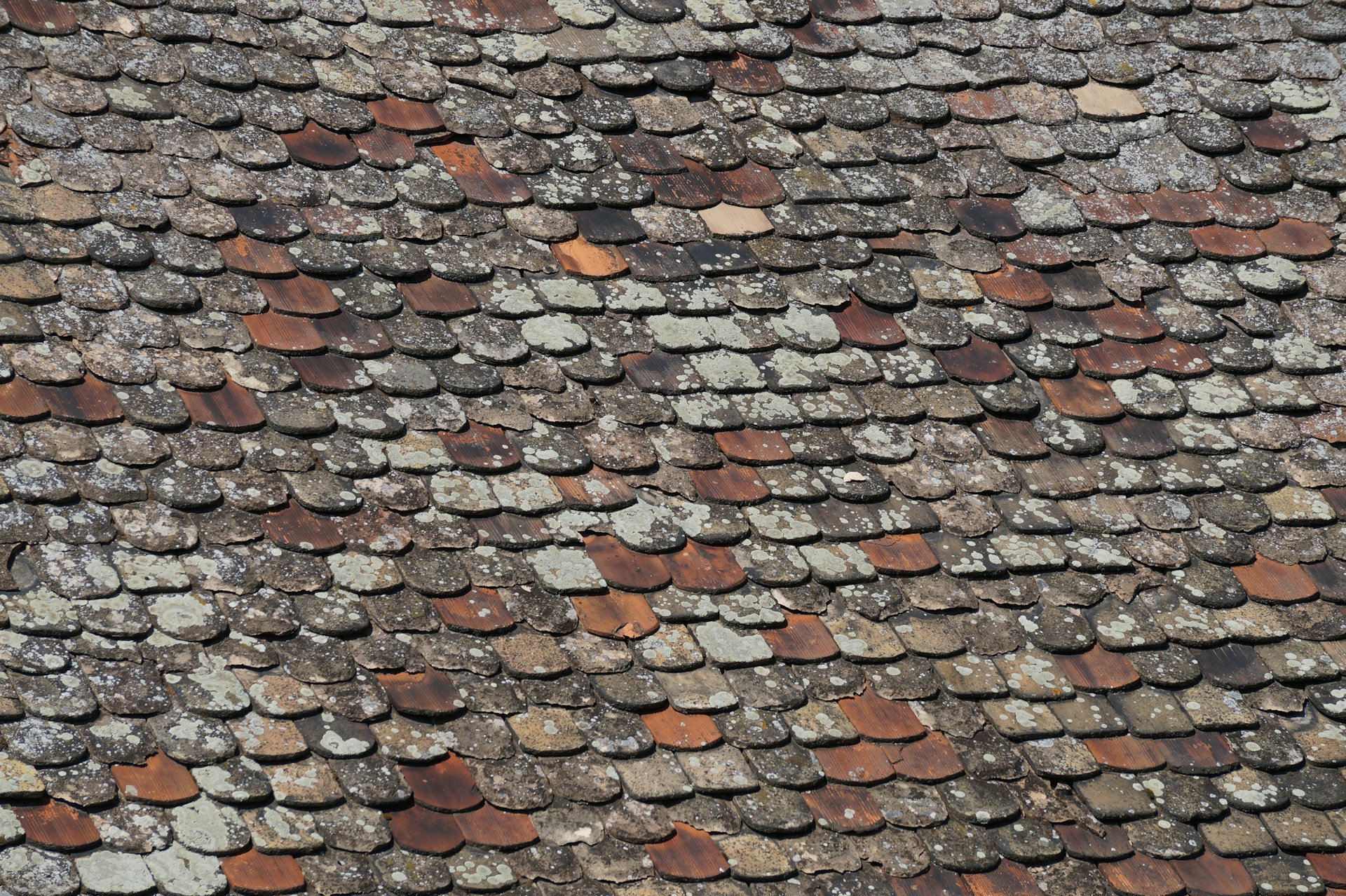
Fish-scale shapes, with rounded butts, show up on Victorian turrets, dormers, and gable bands. Designers mixed them with square-cut courses to create texture and pattern. Moravian settlements in Pennsylvania used flat tiles with curved butts and grooves to guide water.
These are true antique specialty roof tiles. Supply is thin, so you should plan around what exists in stock. This overview of rare reclaimed roofing materials shows the kinds of shapes that turn up.
Interlocking Tiles and Their Period Uses
Interlocking tiles hook together with a raised lip, and they were usually nailed as well. They date back to 18th-century S-shaped pantiles, also called Flemish tiles, which were about 14 1/2 by 9 1/2 inches.
Machine-made interlocking tile spread in the 1880s and 1890s with the Romanesque Revival style. French tiles, with a taller and more contoured face, fall into this group too. Names change by region, so a "Spanish" tile in the U.S. may be called a Single Roman tile in England.
Pin down the roofing tile profile by measurement and photos, since labels alone will mislead you. The building's own story then tells you how close that match has to be.
How the Building's History Shapes the Choice
A building's past sets the rules for its roof. A listed landmark needs a near-exact match, while a new home beside it has more room to choose.
Matching a Surviving Roof or Historic Neighbor
When original tile survives, your goal is continuity. The Secretary of the Interior's Standards call for keeping as much historic fabric as possible under a preservation treatment. Replacement pieces should match what they sit beside.
That means matching size, shape, color, texture, exposure, and coursing. A slightly thicker slate changes the shadow line across the whole slope. Our historic slate tile matching guide covers the details.
For patch jobs, weathered tile blends best because its surface has aged like the roof around it. See this guide to replacing broken slate tiles. There is also advice on reclaimed tile for repairs.
Complementing a Heritage Building Without Copying It
Additions and infill homes near historic buildings call for a different approach. The Rehabilitation Standards allow new work that fits the setting while staying readable as new.
You might pair Grey slate with a Victorian neighbor's black roof. Or you might specify a compatible clay tile in a different tone on a new wing.
Good heritage roofing starts with the frame, too, and mortise and tenon joinery remains a strong fit under heavy stone.
For more on this balance, read about roofing for historic homes. The next choice, color, is where a design can gain or lose the most.
Color, Patina, and Format in the Design
Color sets the mood of the roof, while format sets its rhythm. Salvaged slate gives you both, with more variation than any single new batch.
Purple, Mottled Green with Purple, and Buckingham Black Slate
Purple slate brings deep, rich color with natural tonal shifts. It suits Queen Anne and Second Empire homes, where color was part of the original design. This look at rare slate colors shows how it reads on a finished roof.
Mottled Green with Purple slate mixes two tones in every batch, and no two pieces match. It fits polychrome restorations and bold custom homes that want a lively surface.
Buckingham Black slate offers deep matte tones and crisp edges. It gives a clean, formal line on Colonial Revival roofs and on modern homes with traditional roots.
Planning Around 16-Inch, 18-Inch, and 20-Inch Random Slate Formats
Reclaimed slate here comes in 20" x random, 18" x random, and 16" x random formats. The first number is the length, and the widths vary from piece to piece.
Longer slates allow more exposure per course, so the roof reads with fewer, bolder lines. Shorter slates give tighter courses that suit small dormers and turrets. Random widths create the relaxed, hand-laid look of many older roofs.
When you plan with these formats, keep a few points in mind:
- Set exposure from slate length and roof pitch, and have the roofer confirm it
- Keep one length per slope for a steady course line
- Order extra for cutting at hips, valleys, and rakes
- Use a graduated layout from longer to shorter if the design calls for it
The reclaimed slate installation guide covers nailing and layout.
Why Original Weathering Cannot Be Specified as a Uniform Finish
Weathered slate roof tiles vary because each came from a different spot on a real roof. North slopes hold softer tones. Sunny faces fade and pick up mineral bloom.
Write the spec around a range. Name the base color, the format, and an accepted spread of tone, and approve it against batch photos. That keeps crews and inspectors aligned when a delivery looks livelier than a single sample chip.
The real question for any salvaged lot is whether it will perform, and that comes down to how it was checked.
What Makes Salvaged Tile Suitable for Specification
A salvaged tile earns a spot on your drawings by passing a physical inspection. Age alone proves nothing, but a tile that survived a century and passes a sound test has shown its worth.
How Does a Classic Roof Tile Earn Its Patina?
Patina forms slowly as rain, frost, sun, lichen, and air pollution work on the surface. Slate may soften in tone or take on rust and buff marks. Clay picks up darker patches and a worn, chalky face.
This surface is the reason architects choose century old roof tiles. The reclaimed slate described here ships uncleaned, with its original patina just as it came off the old roof. Minor surface flaws are expected and part of the look.
Heritage slate can last 75 to 100+ years when installed well. That is why a tile with decades behind it can still have long service ahead. See how slate roofing lifespan plays out over time.
Checking Profile, Dimensions, Thickness, and Edge Condition
Start with the shape. Confirm the roofing tile profile, then measure length, width, and thickness against the existing roof or the drawings.
Edges tell you a lot. Look for clean, hand-dressed bevels on slate and chips that stop short of the nail line. On clay, check the lugs, the lips, and any nail holes for cracks.
Thickness shows up on the finished roof. A spec that ignores it risks uneven courses and a patchy shadow line.
Hand-Inspection, Sounding, and Culling for Reuse
Sounding is a simple, old test. Tap a slate and a sound piece rings clearly, while a cracked or soft piece gives a dull thud.
Every piece of reclaimed slate from this supply is hand-inspected, sounded, and culled before it ships. Weak, split, or flaking pieces are pulled out. Read more on tested and vetted materials and on how reclaimed roofing is sourced.
Reuse also skips new quarrying and keeps heavy stone out of landfills. Here is how reclaimed roofing reduces waste. With quality settled, the next step is getting the right lot to your site.
Sourcing a Period-Correct Match
A match starts with what you send the supplier. Clear records of the original tile turn a vague request into a fast, accurate quote.
Documenting the Existing Tile Before Requesting a Match
Document the roof before anyone strips it. Historic photos, old receipts, nail hole patterns on the deck, and scraps in eave cavities all help piece together the original.
Send your supplier these details:
- Photos of the roof in daylight, both close up and from the street
- Length, width, and thickness of several sample tiles
- Exposure and coursing pattern
- Color notes and any polychrome pattern
- The number of squares or pieces needed, plus cut waste
These reclaimed slate sourcing tips go further. For style-specific advice, see period-correct roof materials.
Reviewing Batch Photos and Confirming Variable Inventory
Salvaged stock is finite, and a given lot will not restock once it sells. Ask for batch photos and details, and approve them before the order is confirmed.
Reclaimed orders are final sale, so the photo review is your check. Inspect crates on delivery and report any freight damage within 48 hours. Orders are crated and palletized, with liftgate service and delivery scheduling on request.
For budget planning, see what reclaimed slate roof cost looks like at wholesale. There is also a guide to reclaimed roofing supplies. If you are matching an existing roof, call 225-954-8393 and tell us what you are working with.
Choosing a Tile That Belongs on the Roof
The best period-correct roofing materials start with the building's own story. Get the profile right for the style, then match thickness and format, then approve a color range from real batch photos. That order keeps a restoration honest and a new heritage build believable.
Reclaimed tile gives you something no catalog can: a surface already tested by a century of weather. It also carries a strong green case, covered in eco-friendly reclaimed roofing and sustainable slate roofing. For more on the case for salvage, read why pros choose salvaged roofing materials and long-life reclaimed roofs.
When you are ready, call Reclaimed Slate Roofing at 225-954-8393 to check what is in stock and get a direct price. You can also email bourgeoismaterials@gmail.com or browse current lots at reclaimedslateroofing.com before a specific batch of purple or Mottled Green sells through.
Frequently Asked Questions
What Are Old Roof Tiles Called?
Old roof tiles are often called reclaimed, salvaged, antique, or vintage roof tiles. By shape, they go by names like pantiles, Mission or barrel tiles, Spanish "S" tiles, flat or plain tiles, and fish-scale tiles.
How Can I Tell Whether a Reclaimed Tile Matches a Historic Roof?
Compare size, thickness, profile, color, and texture against tiles from the existing roof. Batch photos taken in daylight, set beside your own photos of the roof, give the most reliable check before you order.
Are Reclaimed Roof Tiles Cleaned Before They Are Reused?
The reclaimed slate described here ships uncleaned, with its original patina and weathering intact. Each piece is still hand-inspected, sounded, and culled so only sound material reaches your job site.
Can Salvaged Slate or Clay Tile Be Specified for a New Home?
Yes, salvaged slate and clay tile work well on new luxury homes and historic-adjacent builds. They give a new roof instant age and character, and the formats and colors support a wide range of designs.
What Should I Confirm Before Ordering a Discontinued Tile Profile?
Confirm the exact profile, dimensions, thickness, and quantity, including extra for cuts and breakage. Because reclaimed sales are final and lots do not restock, approve batch photos first and secure the full quantity in one order.