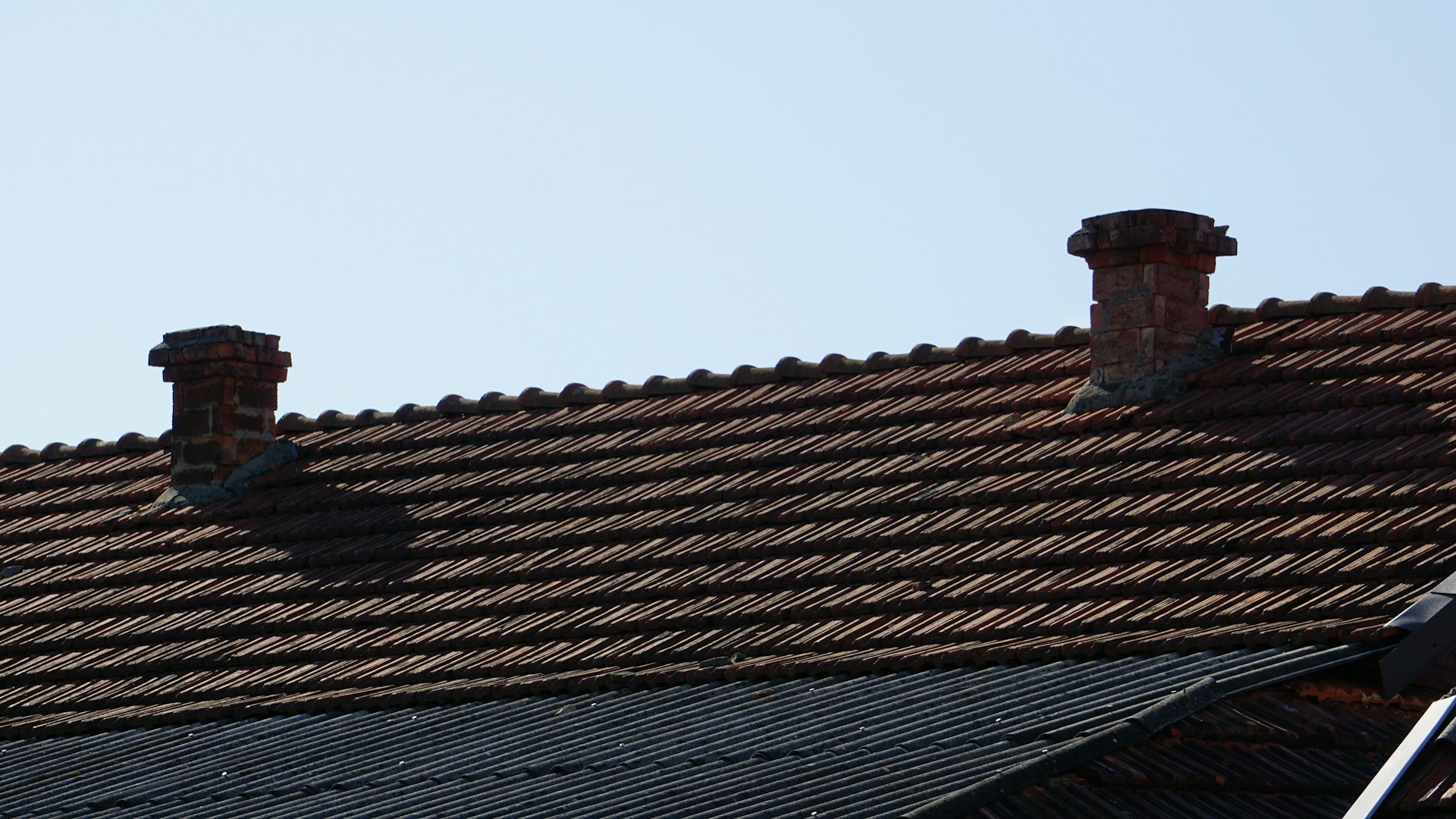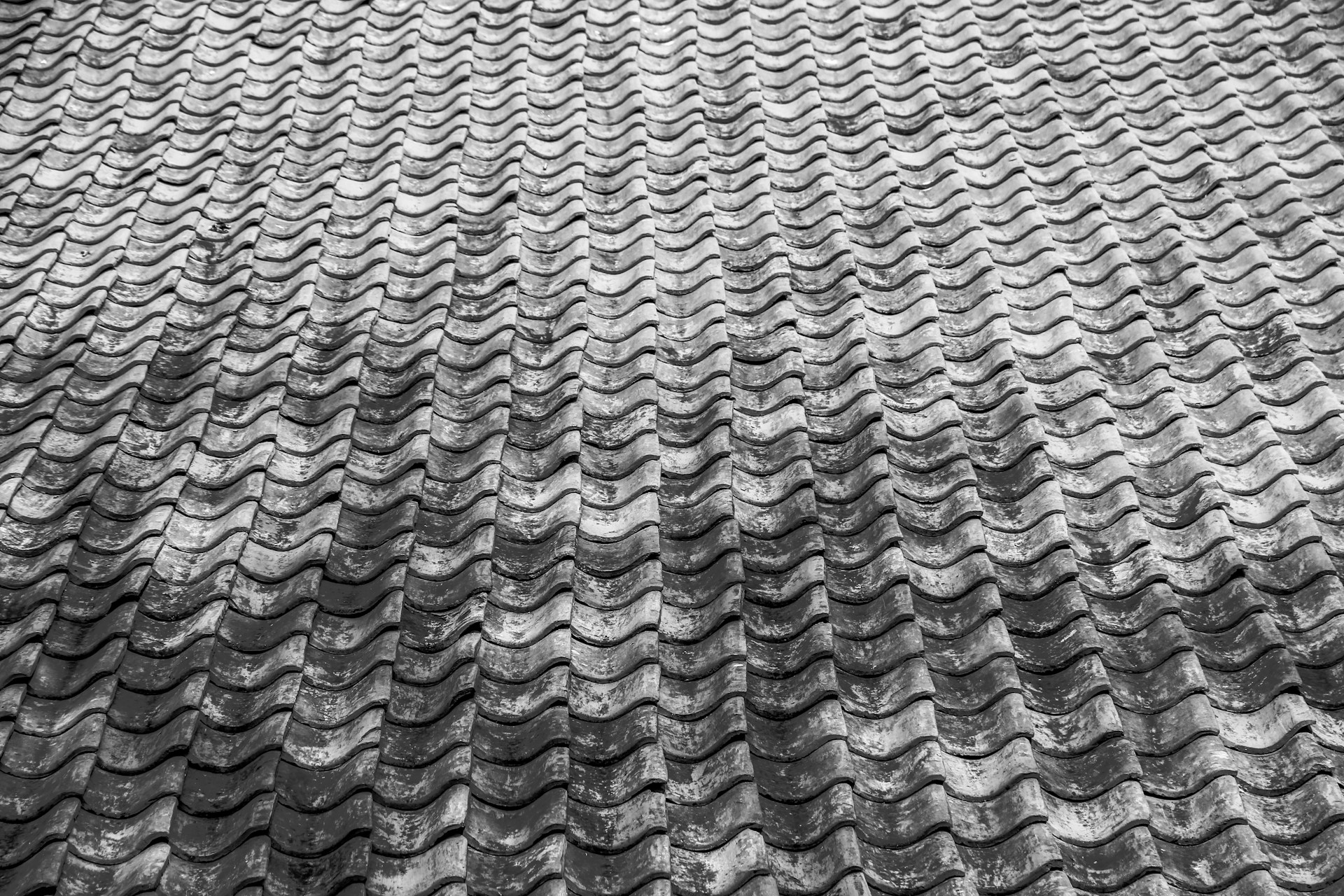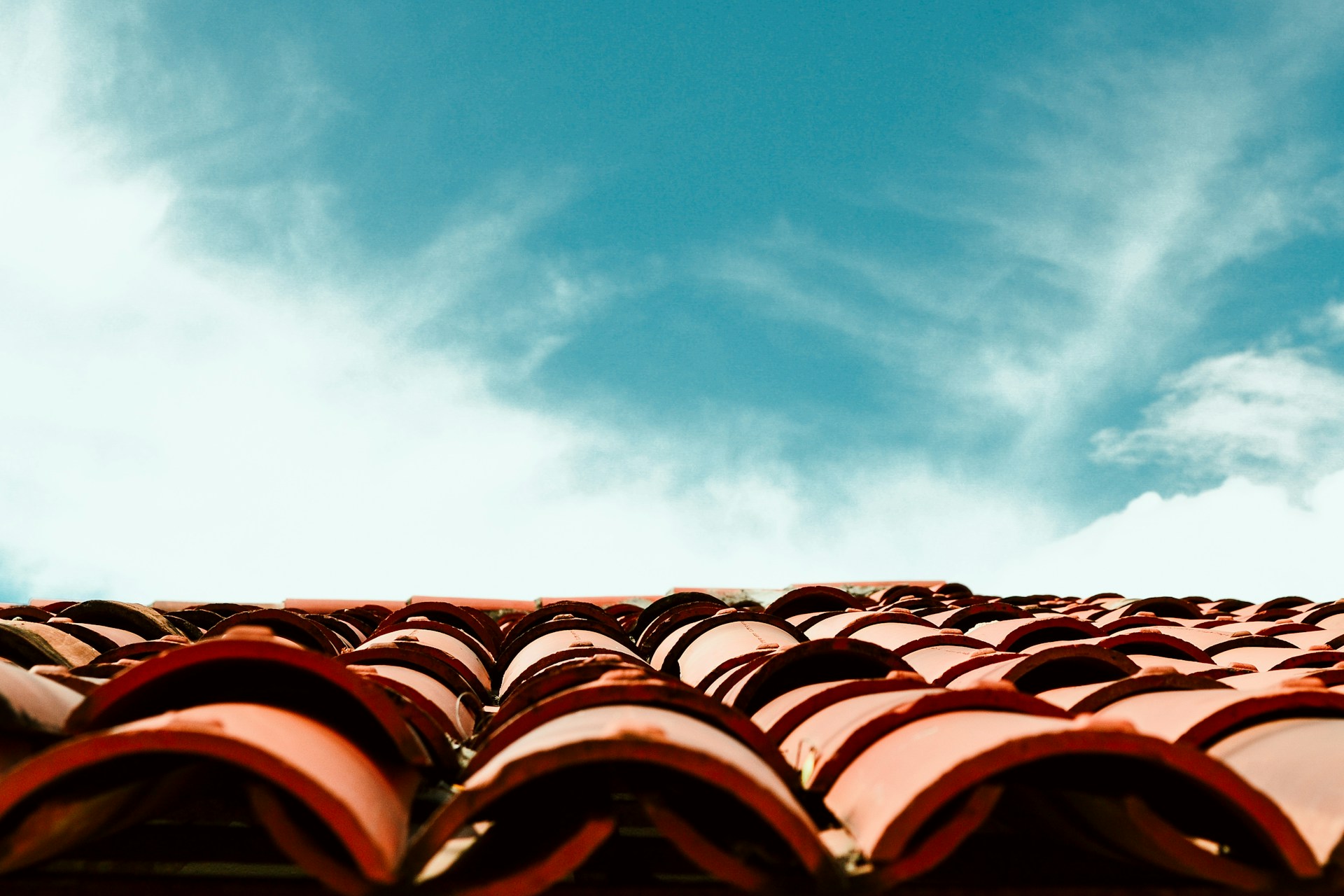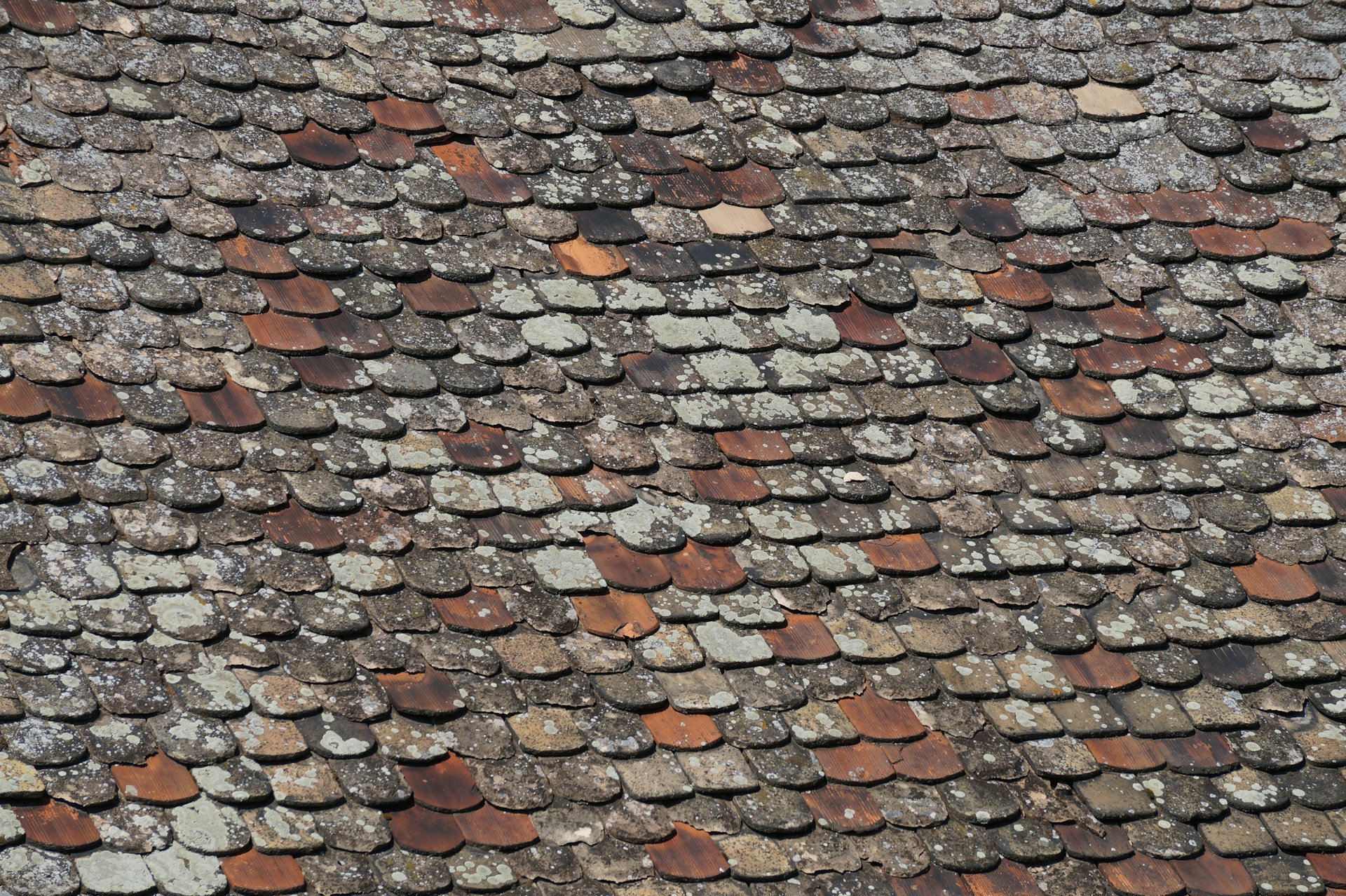
Your crew has the tear-off scheduled, the dumpster is on site, and the roof overhead is a century-old slate or clay tile that nobody has checked. Once that material goes over the eave into a roll-off, it is gone. Old roofing worth salvaging is mostly natural slate and fired clay tile, provided each piece still rings sound, keeps its thickness and edges, and holds its profile. Asphalt layers and worn wood usually head to disposal.
Salvage works best when you know where to send what you keep and where to find what you lack. Reclaimed Slate Roofing supplies authentic reclaimed slate and clay tile from historic buildings. Every piece is hand-inspected, sounded, and culled before it ships, which makes it a practical backstop when a teardown yields less than the next roof needs. Many builders already pair their own salvage with purchased stock, and the reasons behind choosing salvaged roofing materials apply on both sides of the demolition.
In this guide you will discover how to spot slate and clay before demolition starts, how to test each piece, and which sizes and colors deserve their own pile. You will also see how salvage changes your schedule and budget, and how to fill a short yield without stalling the job. Sort before the first slate ripper touches the roof, because breakage during rushed removal costs you more usable pieces than weather ever did.
Which Old Roofing Materials Are Worth Saving?
Slate and fired clay tile are the materials worth saving because they outlast the buildings they sit on. Older homes and old time roofing jobs often hide these materials under later layers, so the real work starts with knowing what you are looking at.
Slate is a split stone. It does not rot, and it resists fire and water. The National Park Service notes that slate roofs last 60 to 125 years or longer, depending on the slate type and location. A roof that has served 90 years may still carry pieces with decades of life left in them.
Clay tile has a similar track record when it was well fired. Metal roofing, cedar shakes, and asphalt shingles each have their own salvage story, but few of those pieces ever go back on a roof. For period-correct roof work, the stone and clay are what architects and inspectors want to see.
Identify Slate and Clay Tile Before Teardown
Walk the roof or glass it from the ground before you sign off on a demo plan. Slate shows thin, flat units with sharp or hand-dressed edges. Colors run black, grey, green, purple, or red. Clay tile shows curved barrels, flat shingles, or interlocking shapes in terra cotta, buff, or glazed tones.
Look in the attic too. Slate is nailed through the face with two holes near the head. Clay barrels ride on battens or sheathing with visible nail or wire fixings. A good primer on natural slate roofing materials helps you tell true slate from fiber cement or other lookalikes.
Check eave cavities and gutters for broken bits. These scraps tell you the color, thickness, and fastener type before anyone climbs up. Photograph each roof plane from the ground so you have a record of pattern and coursing.
Distinguish Reusable Materials from Later Roof Layers
Many old roofs were covered, patched, or partly replaced over the years. You might find asphalt shingles nailed over slate on a rear addition. You might find metal roofing on a porch that once carried clay tile. Each layer needs its own plan.
Here is how most pieces sort out:
- Natural slate: Worth saving if it passes a sound test and keeps its nail holes and edges.
- Clay tile: Worth saving if the body is hard, the glaze or surface is intact, and the profile is whole.
- Asphalt shingles: Disposal, and test older felts first for asbestos.
- Cedar shakes: Rarely reusable on a roof after decades of weather.
- Metal roofing: Often goes to scrap recycling; copper holds scrap value.
On historic properties, keep a few samples of every layer. If you are working on roofing for historic homes, those samples help a review board confirm what the original roof looked like. Knowing what is on the roof is step one; proving each piece can go back up is where most crews lose their margin.
How Can You Tell Whether a Salvaged Tile Is Sound?
A sound tile rings when tapped, holds its original thickness, and keeps clean edges around its fastener holes. An old roof with missing shingles or signs of moisture intrusion still holds plenty of good pieces, so you judge each one on its own.
Set up a sorting table at ground level with good light. Work one pallet at a time and mark three piles: keep, maybe, and discard. A clear system keeps crews from guessing and keeps weak pieces off the next roof.
Sound-Test Slate and Check Thickness and Edges
Hold a slate loosely by one corner and tap it with a slate hammer or a knuckle. Good slate gives a clear ring. Soft, rotting, or cracked slate gives a dull thud. This is the same sounding step used on tested and vetted slate before it ships.
Next, look at thickness and layers. Slate that flakes, peels in sheets, or feels chalky on the back is delaminating. Historic slate thickness varies by slate type and by roof, so compare each piece with the thickness the roof was laid in. A piece that has worn much thinner at the head or around the holes will not hold a nail for long.
Then check edges and holes:
- Nail holes should be round and intact, with no cracks running out from them.
- Edges may be chipped from removal but should not be crumbling.
- Corners should be complete enough to keep the side lap tight.
- The back should feel hard, with no white powder or soft spots.
Slate that passes these checks can serve another long run. A breakdown of slate roofing lifespan explains why the stone type decides how long that run lasts.
Inspect Clay Tiles for Cracks, Spalling, and Broken Profiles
Clay fails differently than slate. Look for hairline cracks by tapping and listening, just like slate. A cracked tile sounds flat. Look for spalling, where frost has popped off flakes of the face and exposed the softer body under it.
The Park Service reports that clay tile has a life expectancy of about 100 years, and often several hundred. Poorly fired tiles from cooler spots in the kiln fail early, though. Those are the soft, sandy pieces you will find on the discard pile.
Check the profile last. A barrel tile with a chipped lip or broken nib cannot lap properly. Set aside pieces with minor corner chips for use at cuts, hips, and rakes, where a partial tile is needed anyway.
Separate Surface Patina from Structural Damage
Lichen stains, rust streaks, soot, and soft weathering are patina, and they help new work blend with an old roof. Patina on its own does not prove a piece is sound, though. Resist the urge to pressure-wash or scrub salvaged material, since harsh cleaning damages the surface you want to keep.
Damage is different. Delamination, cracks, spalling, and soft backs affect how the piece performs. A sound test helps, but it does not replace a close inspection. Check every piece for cracks, delamination, spalling, soft backs, and damaged holes, and keep it only if it passes.
Crews that follow good reclaimed slate installation practice lay patina-heavy pieces where they will blend best. When one broken slate needs a match on a live roof, the same logic guides replacing broken slate tiles. Sound pieces are only half the value, though, because the size and color you save decide what roof they can serve.
Which Colors, Profiles, and Sizes Merit Sorting?
Large random slate, rare colors, and complete runs of one clay profile are the pieces that hold the most value. Sorting them by size and color on the ground saves hours of hunting on the roof.
Mixed pallets slow crews down and hide value. A buyer or architect wants to know exactly what you have. Roofing materials sorted by size, color, and profile are easier to match, price, and install.
Set Aside 16-, 18-, and 20-Inch Random Slate
Slate length decides exposure and how much roof a piece covers. Longer slates cover more area per piece and suit large, steep roofs. Measure and stack them by length: 16, 18, and 20 inches are common targets for resale and reuse.
"Random" means the width varies within one length. Keep the random widths together by length and do not trim them to match. Random widths are part of the historic look, and trimming wastes stone.
Count each stack and write the count on the pallet. Grey reclaimed slate in large random sizes suits restorations and traditional builds. Black reclaimed slate comes in 20" x random, 18" x random, and 16" x random formats. Knowing your counts by length lets you plan a roof plane before anyone orders more.
Document Purple, Mottled Green, and Buckingham Black Slate
Color variants deserve their own piles and their own photos. Purple slate, semi weathering green, and mottled green are hard to find, and matching them later takes work. The same goes for deep black slates. Guides to rare slate colors show why these shades are specified on luxury restorations.
Buckingham slate comes from Buckingham County, Virginia, and is known for its dense, dark stone. If your roof carries it, photograph it next to a known reference. Compare it with Buckingham Black reclaimed slate to confirm tone and texture before you label the pile.
Mottled roofs mix colors on a single slate or across a roof. Keep those slates together so the blend stays natural. A lot of mottled green with purple shows how green and purple share one surface. Photograph wet and dry pieces, since color shifts once slate is rained on. These records feed straight into historic slate matching guides when you need more.
Keep Barrel Clay Tiles Grouped by Profile and Dimensions
Clay tile profiles vary more than most crews expect. Mission barrel tiles use a pan and a cover, and historic ones ran from 14 to 18 inches long, up to 22 to 24 inches. Spanish, Roman, and French interlocking tiles each lap in their own way and do not mix.
Measure length, width, and barrel height on a few tiles from each roof plane. Stack by those numbers. Keep pans and covers separate but on the same pallet so the pairs travel together.
Compare your tiles with known stock like barrel clay roof tiles to check fit. More detail on reclaimed clay roof tiles covers color and texture across batches. Odd shapes, like fishscale or special hip tiles, belong in their own crate, since rare reclaimed roofing of that kind is the hardest to replace. All that sorting takes time, and time has to show up somewhere in your schedule.
How Does Demolition Salvage Affect the Project Plan?
Salvage adds labor, space, and sequence to a job, and it pays back when the material you keep is worth more than the time spent keeping it. Every roofing contractor running a roof replacement or teardown should plan for that trade before the crew arrives.
A roof that gets stripped fast with shovels yields rubble. A roof taken down one course at a time yields stock. The difference is planning, and it starts at the bid.
Coordinate Removal, Sorting, and Storage Before the Crew Starts
Decide who removes, who carries, and who sorts. Slate and tile should come down by hand, passed or lowered in small stacks. Never slide them down a chute or drop them onto a pile.
Set up these items before day one:
- Pallets and crates, with dunnage between layers
- A flat, dry staging area close to the building
- Labels or paint pens for size, color, and count
- A sorting table at waist height with good light
- A plan for moving full pallets with a forklift or skid steer
Store slate on edge, packed tight, like books on a shelf. Stack clay tile on edge too, with pans and covers nested. Cover pallets against weather, since frost can damage wet, soft tiles.
Compare Recovery Labor with Material Value and Disposal Costs
Salvage costs labor hours. It also cuts disposal weight, and slate and clay are heavy. Fewer tons in the dumpster mean fewer hauls and lower fees.
Put three numbers side by side: extra removal hours, disposal savings, and the value of what you keep. Wholesale figures for reclaimed slate roof cost give you a benchmark for the material side. Rare colors and large random sizes push the value higher.
Reuse also counts toward sustainability goals. Keeping material out of the landfill means less demand for new quarrying, as covered in how reclaimed roofing reduces waste. Green building clients look for this, and eco-friendly reclaimed roofing can support Materials and Resources goals under Leadership in Energy and Environmental Design (LEED). The practical side of sustainable slate roofing comes down to fewer new materials on the truck.
Before any tear-off, test old felts, mastics, and flashing compounds. The EPA explains how asbestos rules apply to roofing, and some older underlayments fall under them.
Check Roof Structure and Water Damage Before Reuse
Sound slate on a failing deck is still a failing roof. Look at the rafters, sheathing, and battens once the covering comes off. Rot, sagging, and dark stains point to long-term leaks.
Probe wood with an awl near valleys, chimneys, and eaves. Check attic ventilation too, because trapped moisture rots battens and rusts nails from below. On timber-framed buildings, joints matter as much as rafters; mortise and tenon joinery that has loosened needs repair before heavy stone goes back up.
Slate and clay both weigh more than asphalt. If you are putting salvage on a new structure, confirm the framing is sized for it. Durable stone on a sound frame is the logic behind long-life reclaimed roofs. Even with perfect planning, the count on your pallets rarely matches the squares on your next roof.
What Happens When the Salvage Yield Falls Short?
Most teardowns lose a share of pieces to breakage, rot, and old damage, so plan to buy matching stock. The fix is fast when you know your count and your match needs before you start calling.
A new roof on a large house can need far more slate than one outbuilding gives back. Mixed-age roofs also carry repairs in several colors. Treat the gap as a normal line item on the job.
Record the Usable Quantity and Match Requirements
Count keeps by length, color, and profile. Convert those counts into squares of coverage based on the exposure you plan to use. Then subtract from what the new roof needs.
Write down the match details a supplier will ask for:
- Slate length, width range, and thickness
- Color when wet and dry, with photos
- Surface texture and level of weathering
- For clay, profile, length, barrel height, and whether pans and covers are both short
- Roof pitch and whether new pieces go on a hidden or visible plane
Good reclaimed slate sourcing tips start with exactly this list. Put your salvage on the most visible faces and send purchased stock to rear planes when the match is close but not exact.
Source Authenticated, Hand-Inspected Material to Fill Gaps
Filling a gap with the wrong material can fail a historic review. The Secretary of the Interior's Standards say replacements should match the old in design, color, and texture, and where possible, material. Genuine reclaimed stone meets that bar.
Reclaimed Slate Roofing sells only genuine reclaimed slate and tile from historic buildings, with no replicas or artificial finishes. Each piece is hand-inspected, sounded, and culled, so your crew skips a second round of sorting. You can read how reclaimed roofing is sourced from the building to the crate.
For small gaps, like a few dozen slates on a patch, look into reclaimed tile repair solutions. For larger gaps, a supplier stocking broad reclaimed roofing supplies can often fill the whole shortfall from one batch.
Confirm Batch Details and Job-Site Delivery Before Scheduling
Ask for batch photos and details before you confirm. Reclaimed orders are final sale, so approval happens before shipment. Compare the photos with your own records of the salvaged roof, wet and dry.
Once confirmed, most orders ship within 2 to 5 business days. Orders ship crated and palletized, with liftgate service and delivery scheduling on request. Tracking and delivery details arrive before the truck does.
Inspect crates the day they land and report any freight damage within 48 hours. Photos of your salvage and site conditions can go straight to bourgeoismaterials@gmail.com while you wait. Book the crew for the day after delivery, not the day of, so there is room to check the crates.
Save the Pieces That Can Serve Another Roof
The ring of a good slate on the sorting table is worth more than any spec sheet. It tells you that stone quarried generations ago still has decades of service left. Sort by length and color, keep clay profiles together, and leave the patina alone.
Your salvage will rarely cover a full new roof, and that is fine. Put your recovered pieces where they show and match them with hand-inspected reclaimed stock for the rest. The finished roof reads as one piece of history, which is what a restoration client or review board wants to see.
If you are matching an existing roof or pricing a teardown, call Reclaimed Slate Roofing at 225-954-8393 and tell us what you are working with. You can also browse current salvaged inventory at reclaimedslateroofing.com before a specific lot sells through, since reclaimed lots do not restock.
Frequently Asked Questions
What Types of Old Roofing Can Be Salvaged for Reuse?
Natural slate and fired clay tile are the main materials worth salvaging for another roof. Copper and other metals go to scrap, while asphalt shingles and weathered cedar shakes rarely have reuse value.
How Can a Contractor Check Whether Old Slate Is Still Usable?
Tap it and listen for a clear ring, since a dull thud points to cracks or soft stone. Then check for flaking layers, chalky backs, and cracks running from the nail holes.
Are Weathered Clay Barrel Tiles Worth Saving From a Demolition?
Often, yes, if the tiles ring when tapped and pass a close check for cracks, spalling, and complete lips and profiles. Surface weathering is patina and helps new work blend, but it does not prove a tile is sound.
Can Salvaged Tiles Be Matched If a Teardown Yields Too Few?
Yes, you can fill the gap with authentic reclaimed stock matched by size, color, and profile. Send photos and measurements so the supplier can confirm a batch before you order.
Is a 20-Year-Old Roof Considered Old Enough to Salvage?
Age matters less than material. A 20-year-old asphalt roof is near the end of its life, while 20-year-old slate or clay is young and often fully reusable.