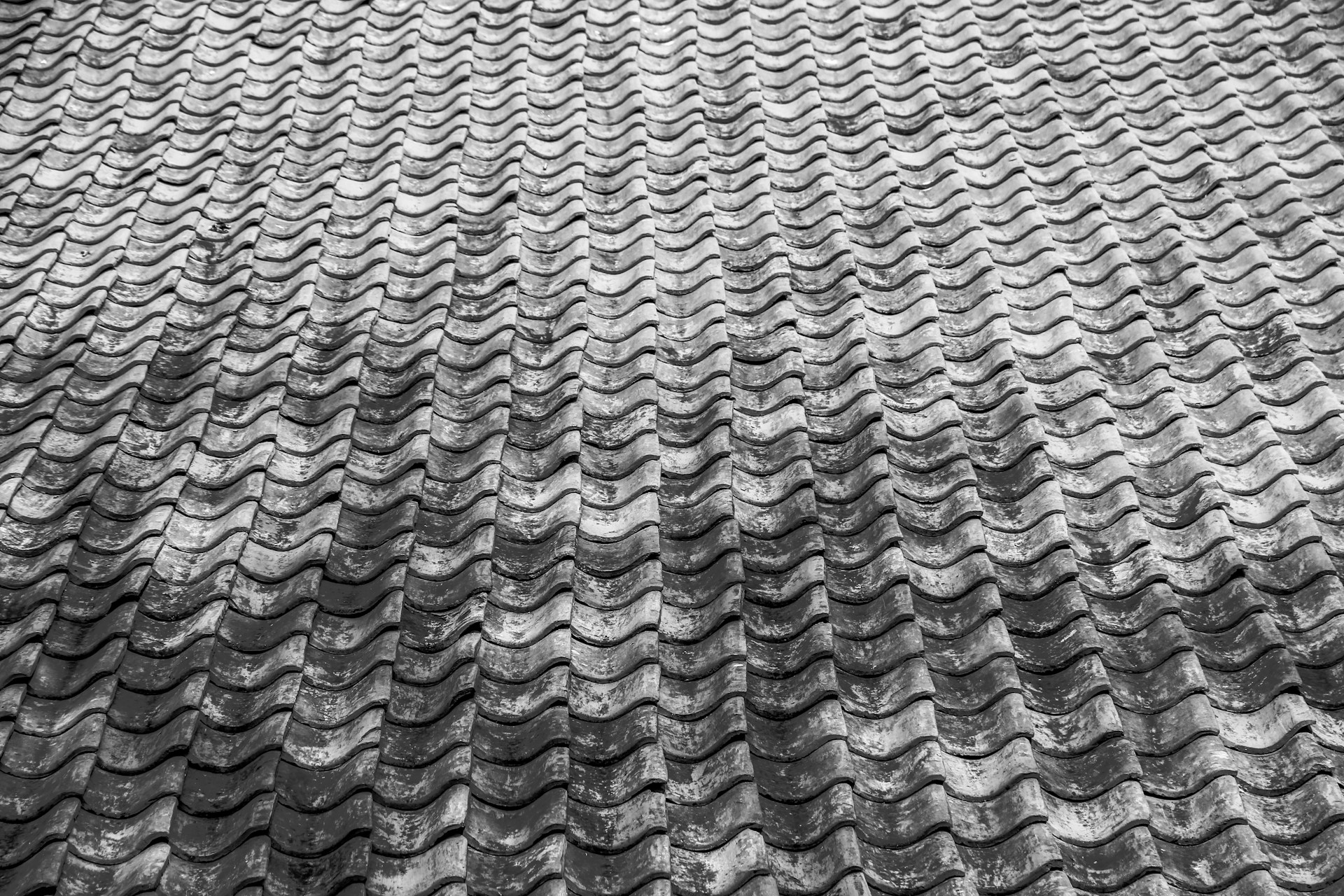
Your client wants a new house that reads as settled from the day the crew leaves. The drawings call for a steep slate roof, and someone on the team has asked a fair question: can a slate pulled off a hundred-year-old building outperform something made last month? For vintage roofing materials for modern homes, the answer is yes. Reclaimed natural slate and clay tile are a premium specification for new luxury builds, because they have already proven their weather resistance on a real roof for decades.
That proven record is why builders and architects keep turning to salvaged roofing materials for distinctive projects. Reclaimed Slate Roofing supplies authentic slate and clay recovered from historic buildings. Each piece is hand-inspected, sounded, and culled, then shipped with its original patina. Large-format slate comes in 20", 18", and 16" random widths, with colors that standard supply channels rarely stock.
Keep reading to learn which heritage coverings suit contemporary designs, how salvaged tile holds up, and where modern systems still belong. You will also see how lessons from historic roof restoration guide specifying roofing materials for historic homes and new builds alike. If your schedule has a firm dry-in date, plan your color and format choice before framing starts, since salvaged lots do not restock.
Authentic Roof Coverings for Contemporary Builds
Natural slate and kiln-fired clay tile are the two heritage coverings that fit today's luxury homes best. Wood and historic metal still have a place, but on narrower terms.
Reclaimed Slate for Distinctive Rooflines
Slate suits the strong, simple roof planes of modern design. A steep gable in weathered slate reads as a single, textured surface, and it pairs well with steel windows and plaster walls.
Color gives you the most design range. A few reclaimed options worth knowing:
- Semi Weathering Green: greens with soft buffs that keep aging on the roof
- Purple: deep, rich tone with natural variation
- Mottled green with purple: a high-contrast blend where no two slates match
- Grey and Black: calm neutrals for transitional or crisp modern work
Every format ships as 20", 18", or 16" by random width. Those large pieces cut down the busy look of small modern units. For a wider look at slate roofing materials, start with thickness and size, then narrow by color.
Rare colors and cuts are where salvage separates itself. Many rare reclaimed roofing materials came from quarries or eras that no longer produce them.
Reclaimed Clay Tile for Warmth and Historic Detail
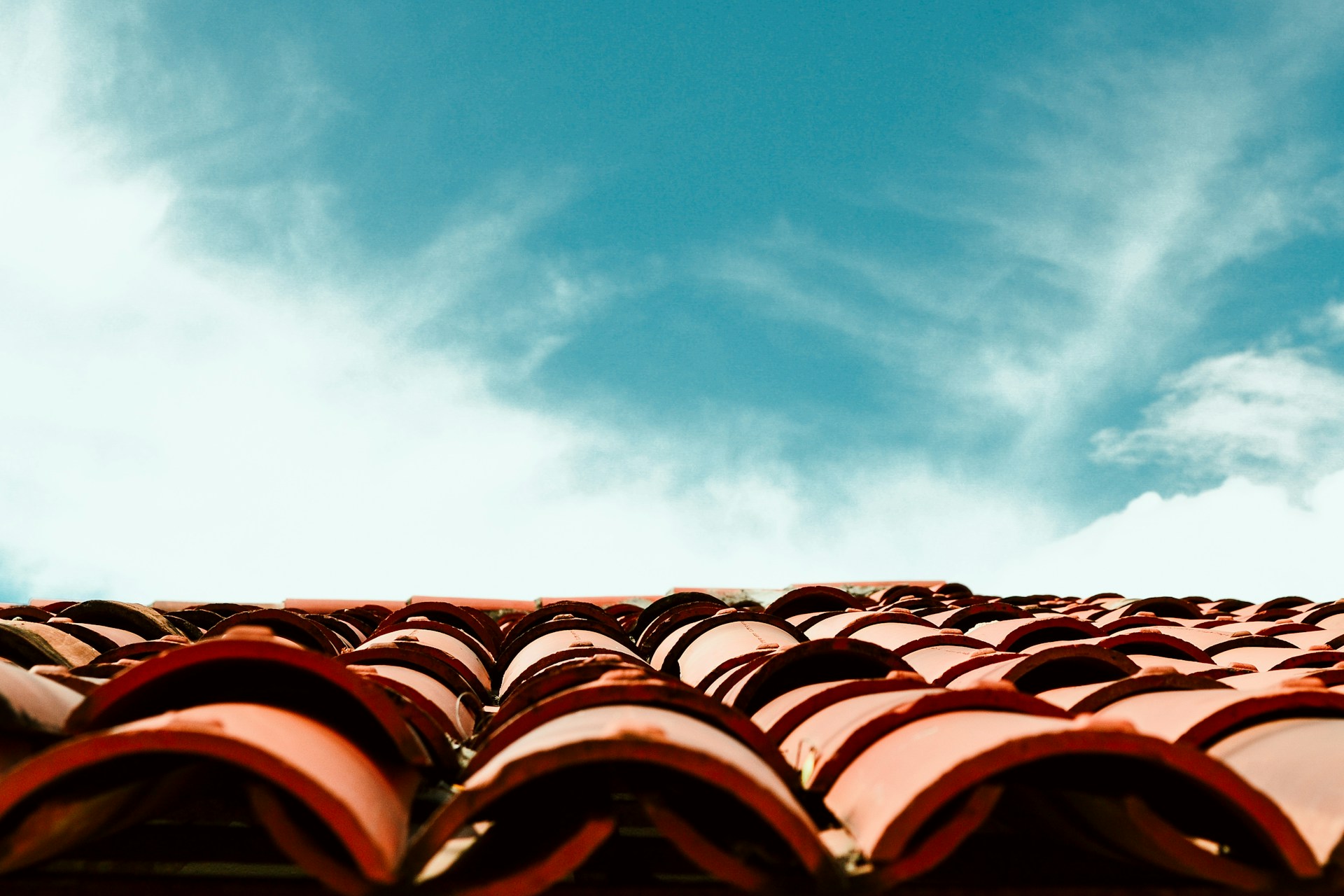
Clay tile brings curve and shadow that flat roofs lack. Barrel clay roof tiles suit Mediterranean, Spanish Revival, and warm-climate estates, where the rounded profile throws deep lines across the roof.
Clay has one of the longest track records of any roof covering. The National Park Service puts historic clay tile's life expectancy at about 100 years and often several hundred. Its color is fired into the body, so weathering softens the tone without stripping a coating.
Profile choice drives the rest of the design. Battens, underlayment, and fastening requirements vary with the tile profile, the pitch, and the roof system. Read up on reclaimed clay roof tiles before you lock in eave and ridge details.
Where Wood Shingles and Historic Metal Roofing Fit
Wood shingles and shakes work on cottages, carriage houses, and Shingle-style homes. They offer a soft, organic texture, but they ask for more upkeep and a shorter replacement cycle than slate or clay.
Standing-seam copper and terne metal fill a different role. They excel at low-slope porches, bay roofs, dormer cheeks, and flashing on slate and tile roofs. Many heritage homes combine materials this way.
For the main roof field, though, slate and clay carry the longest service record. That record is worth testing against the questions an engineer or client will raise.
Why Salvaged Slate and Clay Perform
A salvaged slate has already passed the hardest test there is: decades of freeze, sun, and rain on a working roof. Good sorting removes the pieces that failed that test, so what ships is the survivors.
Are Vintage Roofing Materials for Modern Homes Built to Last?
Yes, and the numbers are strong. A National Park Service preservation brief states slate roofs last 60 to 125 years or longer, with some slates lasting over 200 years. Service life depends on the slate type, roof shape, and climate.
That means a reclaimed slate with decades behind it still has long life ahead. The stone does not "use up" its strength evenly. Nails, battens, and flashings wear out first, which is why so much sound slate comes off old roofs.
For a deeper look at slate roofing lifespan, compare hard slates with softer ones. Pair durable stone with copper fasteners and the right flashing, and you get long-life roofs that outlast the house's first owners.
What Does Hand-Inspection Reveal About Tile Integrity?
Sounding is the key test. A sound slate gives a clear ring when tapped. A dull thud points to hidden cracks or delamination inside the stone.
Inspectors also check each piece by hand for these flaws:
- Flaking or softening at the face
- Cracks running from nail holes
- Broken corners that shrink the headlap
- Thin or uneven edges that will not sit flat
Culled pieces never ship. Every piece from Reclaimed Slate Roofing is hand-inspected, sounded, and culled before it leaves the yard. You can see what tested and vetted reclaimed roofing involves, and how reclaimed roofing is sourced from verified demolition and historic salvage sites.
When you vet any lot, ask how it was culled. These reclaimed slate sourcing tips help you ask the right questions.
How Do Thermal Mass and the Roof Assembly Work Together?
Dense slate and fired clay store heat and release it slowly. On their own, though, they do not make a roof more energy efficient. Any effect on heat gain depends on the complete roof assembly beneath the covering.
Insulation, ventilation, and underlayment decide how the whole assembly performs. A ventilated space under the covering and insulation at the rafter or ceiling line do most of the work. The right layout depends on the attic use and the climate.
Your roofing contractor should detail the assembly as one system. Good reclaimed slate roof installation covers deck, underlayment, fasteners, and flashing together. With performance settled, the design question comes next.
Pairing Historic Patina with Modern Architecture
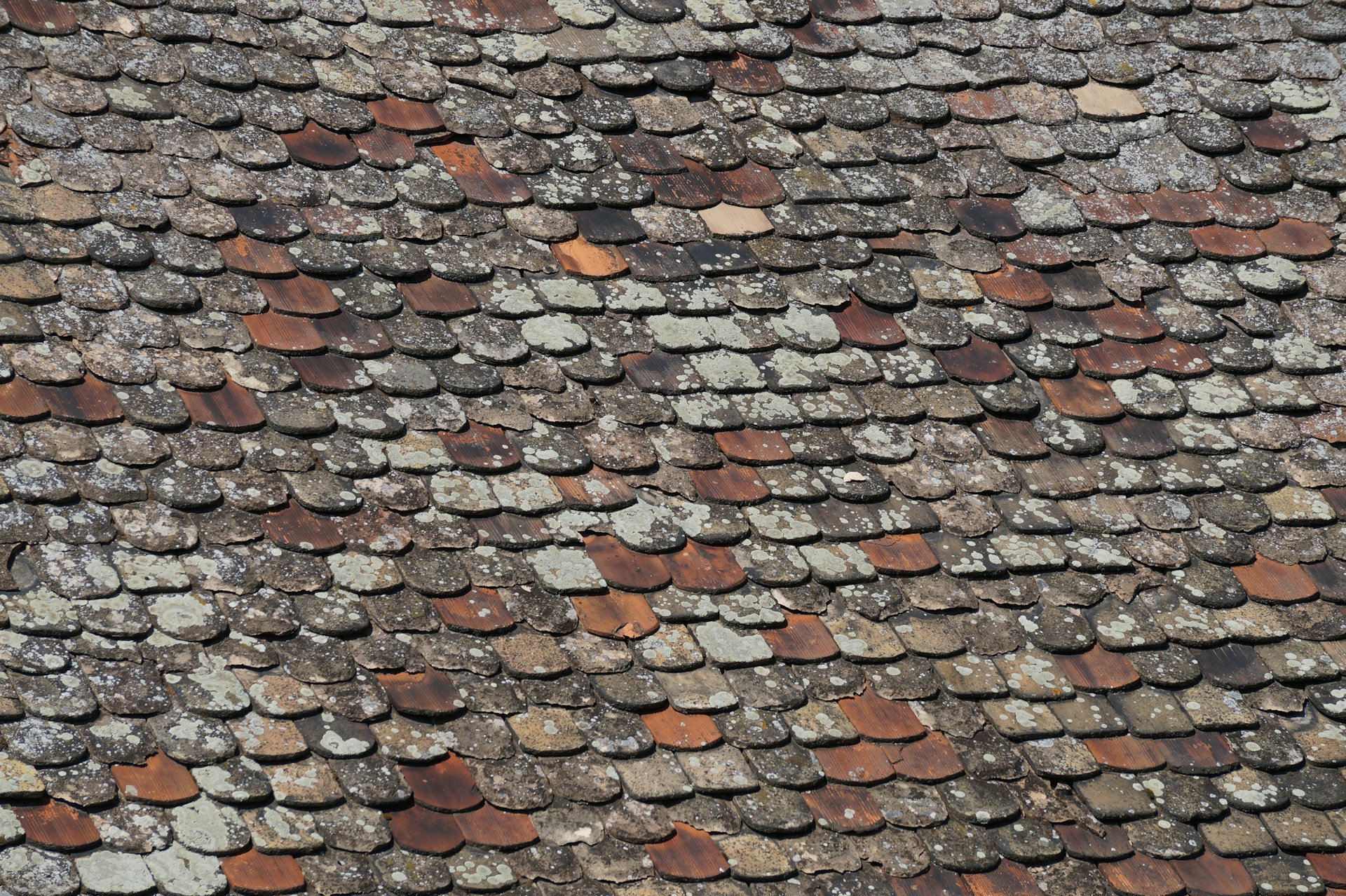
Patina is the one quality no factory can deliver in a new tile. Decades of weather leave soft color shifts, lichen marks, and worn edges that make a new roof look rooted.
Matching Period Character Without Making a New Build Look Reconstructed
A new home should borrow character, not imitate a museum piece. Use reclaimed slate on clean, simple roof forms. The contrast between old stone and crisp modern lines reads as intentional.
Keep the details honest. Use copper flashing, simple rakes, and restrained ridges on a contemporary design. Save fish-scale patterns and ornate cresting for true period homes, where period-correct roofs call for them.
Mid-century modern homes also benefit. A low-profile gable in grey or black slate matches the era's love of natural materials.
Using Rare Slate Colors and Random Formats Intentionally
Random widths create a hand-laid rhythm across the roof. Each course keeps a steady exposure, while widths shift from piece to piece.
Color can be blended or banded. Mix a mottled lot for a lively field, or run bands of purple through a grey roof to mark eaves. Buckingham Black gives a deep, matte tone that suits minimalist facades.
Choose your palette from real photos of the lot. Rare slate colors vary from batch to batch, so the lot you approve becomes the roof you get.
Preserving a Close Match on Historic-Adjacent Projects
Additions and neighboring builds must sit beside old roofs without clashing. Match size, thickness, color, texture, and exposure, the traits preservation guidance lists as most important.
Salvaged slate helps because its surface has aged the same way. These historic slate matching guides walk through each trait.
For repairs and historic roof restoration, the same logic applies to replacing broken slate tiles and to reclaimed tile roof repairs on clay.
Some parts of a house need a different system entirely, and knowing where to draw that line keeps the whole roof sound.
When Modern Alternatives Make More Sense
Modern products earn their place on roof sections where slate and clay cannot shed water. They also fit tight budgets on low-visibility buildings.
Comparing Authentic Tile with Synthetic, Composite, and Asphalt Products
Synthetic and composite shingles weigh less and cost less up front. Asphalt shingles install fast. Their trade-off is a shorter service life and a surface that lacks true stone texture.
Federal guidance treats slate as one of the most durable materials, with a life-span as long as 150 years. The same bulletin allowed substitutes on roofs seen only from far away or where the roof was not the main feature. That is a fair rule for your project too.
Reclaimed slate also skips new quarrying and kiln firing. That makes sustainable slate roofing a practical choice. Reuse keeps sound stone out of landfills, as shown in how reclaimed roofing reduces waste.
Choosing a System for Flat or Low-Slope Roof Sections
Slate and clay shed water by overlap and gravity. They need pitch to work. Flat and low-slope sections need a sealed system.
Common choices include:
- Membrane roofing such as rubber (EPDM) sheets for porches and additions
- Built-up roofing (BUR) with layered felts and bitumen for larger flat decks
- Standing-seam metal for shallow slopes that stay visible
Detail the joint between systems with care. The flashing where a membrane meets a slate field is where most leaks start. With the right system in each zone, the reclaimed field can do its job for generations, which brings up the practical steps of specifying it.
Specifying Reclaimed Tile Step by Step
Good specs for salvaged tile cover three things: the structure, the lot, and the delivery. Get each right and the install runs on schedule.
Confirming Structural Capacity, Pitch, and Installation Details
Slate and clay are heavy. Have your engineer confirm rafter size and deck thickness before you commit. Sheathing and underlayment requirements for clay depend on the tile profile and the roof system.
Check pitch against the covering. Slate performs best on steep roofs. Lower pitches generally call for more robust underlayment, but the exact detail depends on the tile profile, the roof system, and the installer's specification.
Write copper nails, hook or batten details, and open valleys into the drawings. A roofing contractor with slate or clay experience should review them.
Reviewing Batch Photos, Color Range, and Available Formats
Salvaged lots are sold final, so approval happens before shipping. You receive batch photos and details to confirm color and fit. Review them against your elevation drawings and material board.
Confirm the format too: 20", 18", or 16" random. Ask for help on color matching before the order is confirmed. Questions can go to bourgeoismaterials@gmail.com with photos of the existing roof.
Planning Variable Inventory, Freight, and Job-Site Delivery
Inventory changes as lots sell. Plan your quantity with an overage for cutting, and secure the full lot at once so colors stay consistent.
Most orders ship within 2 to 5 business days after order confirmation. They ship crated and palletized, with liftgate service and scheduled delivery on request. Inspect crates on arrival and report any freight damage within 48 hours.
Pricing is builder-direct. See reclaimed slate roof cost for how wholesale figures work, and browse reclaimed roofing supplies for related items. If you are matching an existing roof, call 225-954-8393 and tell us what you are working with.
Specifying Authentic Character with Confidence
The strongest case for reclaimed slate and clay rests on proof. Each piece has already weathered decades on a real roof, then passed hand sounding and culling before it reached your site.
That record lets you specify with confidence on a luxury new build or a historic-adjacent addition. Pick your palette from real batch photos, confirm structure and pitch early, and give flat sections their own sealed system. The eco-friendly benefits of reclaimed roofing come along with the stone.
Purple, Mottled Green with Purple, and Buckingham Black lots sell through and do not come back. Browse current inventory at Reclaimed Slate Roofing, or call 225-954-8393 to check what is in stock and get a direct price on your quantity.
Frequently Asked Questions
Is Reclaimed Slate Suitable for a New Luxury Home?
Yes. Reclaimed slate brings long service life, fire resistance, and aged character to new construction. Large 20", 18", and 16" random formats suit the clean roof planes of contemporary luxury design.
How Do I Know Salvaged Roof Tiles Are Sound Enough to Reuse?
Ask whether each piece was sounded and culled by hand. A sound slate rings clearly when tapped, while cracked or delaminated pieces thud and get removed before shipping.
Can Reclaimed Slate Match the Roof of a Historic Neighboring Building?
In most cases, yes, because salvaged slate has aged under similar weather. It is frequently specified in historic roof restoration and adjacent new construction. Compare size, thickness, color, texture, and exposure using batch photos before you confirm the order.
Is Reclaimed Tile Heavier Than Synthetic Roofing?
Yes, natural slate and clay weigh much more than synthetic products. Have an engineer confirm rafter and deck capacity during design, before the order is placed.
How Early Should I Confirm Color and Size Availability for a Project?
Confirm availability during design, before framing begins. Salvaged lots do not restock, so securing the full quantity early keeps the color consistent across the whole roof.